

Georgetown, Texas, sits on a foundation of architectural history. Its Victorian-era homes and early 20th-century bungalows tell stories of settlement, growth, and craftsmanship. But beneath the gingerbread trim and original hardwood floors lies a less romantic reality: aging plumbing systems that threaten the integrity of these structures.
Preserving a historic home means more than maintaining its facade. It requires balancing modern functionality with period authenticity—a challenge that falls squarely on the shoulders of skilled plumbers. In Georgetown, where National Register-listed properties dot the landscape, the work of plumbing professionals extends beyond repair. It becomes an act of conservation.
The Hidden Complexity of Historic Plumbing Systems
Walk into a Georgetown home built in 1890, and you might find galvanized steel pipes, lead solder joints, or cast iron drains that predate modern building codes. These systems weren’t designed for today’s water pressure, appliance loads, or efficiency standards. Yet they’re often embedded in walls that can’t be opened without damaging original plaster or exposing hand-hewn framing.
Plumbers working on historic properties face distinct challenges:
- Obsolete materials like lead pipes or clay sewer lines that require specialized removal techniques
- Non-standard pipe dimensions that don’t match contemporary fittings
- Structural constraints where modern venting or drainage paths conflict with historic framing
- Preservation guidelines that restrict invasive work or mandate period-appropriate fixtures
Even seemingly simple upgrades can trigger cascading complications. Replacing a bathroom sink might reveal corroded supply lines, which lead to discovering inadequate shut-off valves, which ultimately require rerouting pipes through century-old joists.
Bathroom Plumbing: Where History Meets Daily Use
Historic bathrooms present a particular paradox. They’re often the most heavily used rooms in a home, yet they contain some of the most fragile original elements. A clawfoot tub from 1910 might be a centerpiece worth preserving, but the corroded drain assembly beneath it poses a flood risk.
Professional plumbers approach these spaces with a preservation-first mindset:
- Fixture restoration over replacement: Refinishing original porcelain, sourcing period-correct hardware, and adapting vintage fixtures to modern supply lines
- Hidden infrastructure upgrades: Installing PEX or copper supply lines behind walls while maintaining visible period plumbing aesthetics
- Water efficiency without anachronism: Retrofitting low-flow technology into historic fixtures or selecting reproduction pieces that meet current codes
- Drainage system rehabilitation: Addressing cast iron stack corrosion or inadequate venting without compromising structural elements
Kitchen Plumbing: Modernization Without Compromise
If bathrooms test a plumber’s restoration skills, kitchens test their ability to integrate contemporary function into historic spaces. Today’s homeowners expect dishwashers, garbage disposals, and instant hot water systems—none of which existed when most of Georgetown’s historic homes were built.
The challenge isn’t just adding new fixtures. It’s doing so without destroying the room’s character or creating code violations. Consider these common scenarios:
- Appliance integration: Running supply lines and drains for dishwashers in kitchens that originally had only a single sink
- Gas line work: Safely routing lines for period-style ranges while meeting current ventilation requirements
- Sink replacements: Installing farmhouse or apron-front sinks that match the era while accommodating modern faucet configurations
- Water treatment systems: Concealing filtration or softening equipment in homes where utility spaces are limited or non-existent
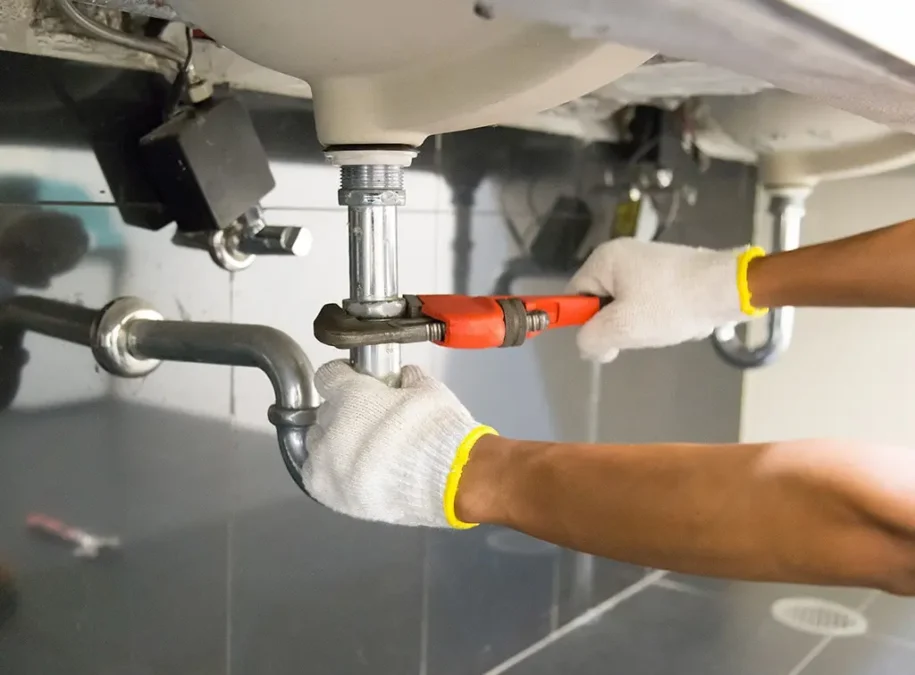
The Contractor’s Role in Long-Term Preservation
A plumbing contractor working on historic properties isn’t just a service provider. They become a partner in stewardship, helping homeowners make decisions that will affect the building for decades.
This relationship typically involves:
- Comprehensive system assessments: Video inspection of drain lines, pressure testing of supply systems, and evaluation of fixture conditions
- Phased repair planning: Prioritizing critical issues while budgeting for long-term upgrades that respect preservation timelines
- Material sourcing: Locating period-appropriate fixtures, fittings, and finishes through specialty suppliers or salvage networks
- Code compliance navigation: Working with local historic preservation offices to find solutions that meet safety standards without triggering unnecessary alterations
Historic property owners can partner with preservation-focused plumbing contractors including Quality Cooling Heating & Plumbing, Len The Plumber, or John Moore Services.
Why Local Expertise Matters
Georgetown’s historic homes share common characteristics—pier-and-beam foundations, shallow sewer connections, and municipal water systems that have evolved over 150 years. Plumbers familiar with the area understand these patterns. They know which neighborhoods have clay sewer laterals prone to root intrusion, which eras of construction used problematic materials, and which local suppliers stock hard-to-find parts.
This institutional knowledge prevents costly mistakes. A contractor unfamiliar with Georgetown’s soil conditions might recommend a repair method that works elsewhere but fails in the area’s expansive clay. Someone without experience in historic work might suggest solutions that violate local preservation guidelines, creating permit problems down the line.
Local plumbing services also maintain relationships with other preservation trades—masons who can repair foundation damage caused by leaks, carpenters who understand historic framing, and contractors who specialize in matching period finishes. This network becomes essential when plumbing work intersects with other building systems.
