
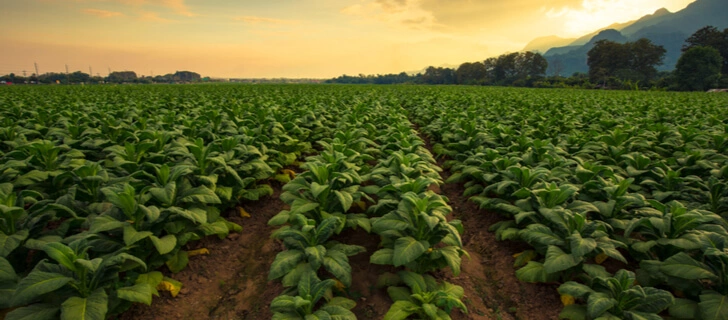

Ukraine’s geographical location and climatic characteristics contribute to its strong agricultural industry. The country’s fertile land and abundant rainfall allow for the cultivation of various plants and livestock farming. The country’s long north-south extent creates differences in agriculture between the north and the coast.
Any person searching for farms for sale in Ukraine should take note of the Odesa region. It is a major agricultural hub, boasting a variety of farms that benefit from favourable climatic conditions, fertile soils and proximity to the Black Sea. The region supports a wide variety of crops and agricultural operations, ranging from vineyards and orchards to field crops and specialised horticulture. Each of these is influenced by local temperature, rainfall and soil conditions.
Vineyards are among the most prominent and economically significant types of farm in the Odesa region. The region’s moderate continental climate, characterised by long, warm summers and relatively mild winters, creates favourable conditions for grape cultivation. High levels of sunlight and sufficient heat accumulation during the growing season support vine development and increase the sugar content of grapes, which is essential for both fresh consumption and wine production. The well-drained soils found in many vineyard areas help to prevent waterlogging and reduce the risk of root diseases. The proximity of the Black Sea moderates temperature extremes, reducing the risk of damaging spring and autumn frosts and extending the vegetative period. Consequently, both table grape farming and commercial winemaking are well established, supporting regional agricultural diversification.
Orchard farms are also common in the Odesa region, where apples, cherries, peaches, apricots and plums are widely cultivated. The region’s temperate continental climate is ideal for fruit trees, providing favourable conditions for stable flowering and fruit development while limiting the frequency of severe winter frosts. Spring temperatures usually rise gradually, reducing the risk of sudden cold spells during the critical flowering period. Moderate rainfall in spring and early summer supports pollination and the growth of young fruit, while well-developed irrigation systems are often used later in the season to compensate for dry conditions in midsummer. Controlled watering is important for maintaining fruit size, sugar content and quality. Peaches and plums, which are more sensitive to low temperatures, tend to be grown in the southern and coastal areas of the region, where higher heat accumulation and longer growing seasons boost yields and mitigate climatic risks.
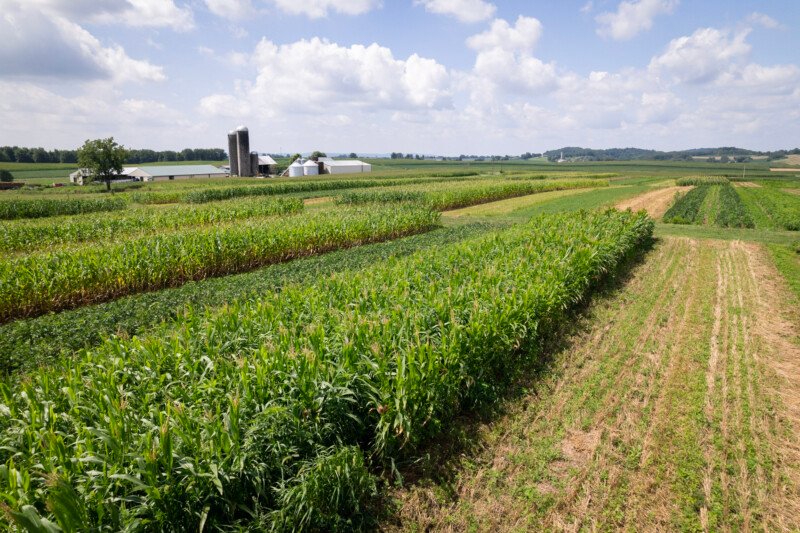
Field crop farms dominate large areas of the agricultural landscape. The main crops are wheat, corn, sunflowers, barley and rapeseed, which are supported by the region’s fertile chernozem soils and long periods of sunshine. Winter wheat and barley are usually sown in autumn and rely on relatively mild winters and sufficient snow cover to protect seedlings. Corn and sunflowers, on the other hand, benefit from hot summer temperatures and high levels of sunlight, which promote rapid growth and grain or seed development. However, climatic variability, including periodic droughts, heatwaves or early autumn frosts, can disrupt production cycles. Consequently, farmers are increasingly relying on irrigation infrastructure, moisture-preserving soil practices and drought-tolerant hybrids to stabilise yields in the face of changing weather conditions.
Vegetable and horticultural farms are becoming increasingly popular, particularly in areas with access to reliable irrigation and near urban centres. Crops such as tomatoes, peppers, cucumbers, onions and melons are cultivated in open fields, greenhouses and tunnel structures. While the region’s long summer daylight hours and high temperatures support rapid growth and high yields, periodic droughts make efficient irrigation and soil moisture management essential for stable production.
Though less dominant than crop farms, livestock farms are also present. Dairy, poultry and pig farms often integrate with the production of feed crops, making use of locally grown cereals and legumes.
In summary, Odesa’s agricultural landscape is highly diverse and includes vineyards, orchards, field crops, horticulture and livestock farms. The region’s temperate climate with warm summers and mild winters, as well as the influence of the Black Sea, are key factors that shape crop choice, productivity and farming techniques. Farmers adapt their crop selection and management practices to optimise yield while minimising climate-related risks, resulting in a productive and varied agricultural sector.
