

API-first architecture powered the last wave of digital growth, enabling businesses to connect systems, partners, and products at scale. In 2026, speed alone is insufficient, as organisations operate across AI models, multi-cloud environments, and fragmented SaaS ecosystems. The real advantage now lies in platform-first architecture, where governance, data, automation, and developer workflows are unified to support controlled, scalable innovation.
What API-First Really Achieved
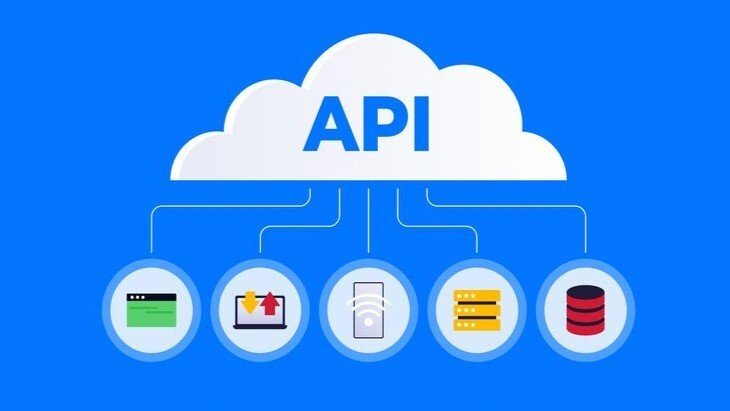
APIs have existed for decades as a way for systems to exchange data and functions. Over the past ten years, they shifted from background connectors to core digital infrastructure. They now underpin how organisations build and scale services.
Across retail, finance, media, and government, APIs accelerated product launches and partner integration. They enabled cloud services and mobile delivery without rebuilding core systems.
Cross-device consistency became achievable at scale. And it’s evident throughout the UK market. For example, platforms offering slot games with seamless access across mobile, desktop, tablet, and dedicated apps position themselves as leaders. Players expect instant access and synchronised accounts across devices. Operators that meet this standard strengthen retention and competitive standing.
The same structural benefit applies elsewhere. Retailers integrate payment providers in weeks. Logistics firms expose tracking systems without redesigning infrastructure. Fintech start-ups scaled quickly because their platforms were API-driven from inception.
Why Platform-First Is Emerging Now
Platform-first architecture responds to complexity rather than connectivity.
AI-Native Operations
AI systems require stable, governed data flows. A financial services firm deploying real-time fraud detection cannot depend on loosely managed APIs. It requires a centralised ingestion layer, standardised model deployment pipelines, and automated monitoring.
Without a platform structure, model drift, data inconsistencies, and compliance gaps emerge quickly. Platform-first architecture ensures AI agents, analytics tools, and transactional systems operate within a shared governance framework.
Internal Developer Platforms
Engineering velocity is now a commercial priority. High-growth SaaS companies are building internal developer platforms that allow teams to provision infrastructure, deploy services, and access observability tooling through structured workflows.
Instead of manually configuring Kubernetes clusters, developers use self-service portals that automatically enforce security policies. Deployment templates include logging, monitoring, and compliance controls by default. This reduces configuration errors and shortens release cycles.
Composability at Scale
Modern enterprises operate dozens of SaaS platforms. A platform-first strategy introduces unified identity management, centralised logging, and event-driven communication across systems.
A manufacturing organisation integrating IoT sensors, ERP platforms, and predictive maintenance models cannot rely on isolated API calls. It requires coordinated event streaming and real-time observability to prevent operational disruption. Platform-first architecture provides that orchestration layer.
Key Components of a Platform-First Architecture
Platform-first architecture combines infrastructure, data, governance, and automation within a coordinated system. These components define how the model operates in practice.
Unified Data Layer
A unified data layer centralises ingestion, transformation, and distribution. Event streaming platforms process transactions in real time. Data observability tools monitor quality, consistency, and lineage.
For example, an e-commerce platform tracks inventory updates, payment confirmations, and shipping events through real-time streams. AI demand forecasting models access consistent datasets instead of querying disconnected services.
Internal Developer Platform
An internal developer platform standardises infrastructure provisioning. Teams follow predefined deployment paths. Security policies are embedded directly into workflows.
A cloud-native bank may enable engineers to deploy new microservices through a single interface that automatically configures encryption, identity controls, and logging. This approach reduces operational risk while maintaining delivery speed.
API Governance and Management
APIs remain essential. Platform-first architecture formalises version control, authentication standards, rate limiting, and performance monitoring.
A health technology provider handling patient records enforces strict API access policies. Centralised gateways, audit logs, and monitoring systems ensure regulatory compliance and prevent misuse.
AI and Automation Layer
The platform incorporates model lifecycle management. Training, testing, deployment, and monitoring occur within controlled pipelines.
A subscription streaming service running recommendation algorithms uses automated retraining workflows. Performance metrics trigger model updates without disrupting live environments. This prevents AI from operating as an unmanaged shadow system.
Speed, Resilience, and Competitive Edge
Platform-first architecture directly influences business performance.
Deployment cycles shorten because infrastructure is standardised. A SaaS provider launching a new capability can move from development to production in days rather than weeks.
Operational resilience strengthens. Centralised monitoring identifies anomalies across services. If latency increases in a payment gateway, automated alerts initiate remediation processes.
Regulatory readiness improves. Financial and healthcare organisations embed compliance validation into deployment pipelines. Audit trails are generated automatically and remain continuously accessible.
Most importantly, experimentation accelerates. Product teams can trial AI-driven features without negotiating new infrastructure for each initiative. This reduces time to market and improves adaptability.
Common Pitfalls in the Transition
Platform-first programmes often fail when treated purely as infrastructure upgrades rather than operational shifts.
One risk is overengineering. Some organisations build complex internal tooling that only specialist engineers can manage. Adoption declines because developer experience deteriorates.
Another issue is unclear ownership. Without a dedicated platform team, governance standards weaken and inconsistencies return.
Rigidity also presents a threat. A platform that restricts innovation undermines its own objective. Successful implementations balance standardisation with controlled flexibility, allowing experimentation in sandbox environments while enforcing strict controls in production systems.
The New Competitive Architecture
API-first established system connectivity, but connectivity alone no longer delivers sustained advantage. Platform-first architecture creates a controlled, scalable operating environment where data, AI, infrastructure, and developer workflows function under unified governance. In 2026, competitive strength belongs to organisations whose architecture is engineered not merely to integrate services, but to accelerate innovation with precision, resilience, and operational discipline.