
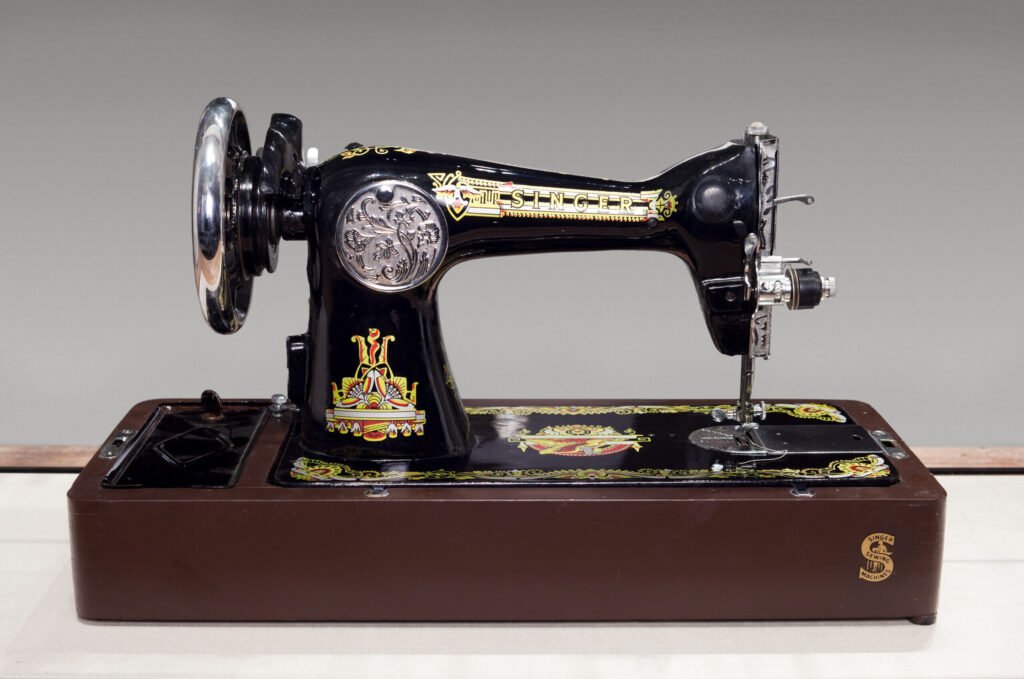

Sewing remains a practical, creative, and potentially profitable skill, whether someone is hemming a shirt at home or scaling a small apparel line for ecommerce. Choosing the right sewing machine is the first decision that separates frustration from flow. This guide walks through the features, machine types, and buying considerations that both beginners and seasoned makers need to weigh. It’s written with entrepreneurs and site owners in mind: the right machine saves time, reduces defects, and protects margins, critical when products, reviews, and fulfillment affect online rankings and sales.
How to Choose the Right Sewing Machine: Key Features to Consider
Choosing the right sewing machine is about matching capabilities to goals. A beginner needs simplicity and reliability: a professional needs speed, durability, and serviceability. Below are the features to prioritize by stage.
Essential Features Every Beginner Should Look For
- User-friendly controls: Clear dials or an intuitive LCD menu reduce learning friction. Beginners benefit from one-handed threaders, automatic needle threaders, and straightforward stitch selection.
- Straight stitch quality and basic stitch options: A dependable straight stitch, a few stretch and zigzag stitches, and buttonhole capability cover everyday tasks and basic garment construction.
- Adjustable presser foot pressure: This helps when transitioning between thin knits and slightly thicker cottons without manual hacks.
- Solid built and ease of maintenance: A metal internal frame or at least a well-built chassis reduces vibration and makes the machine feel dependable, important when someone is learning to trust their tools.
- Affordable, reliable warranty: For new sewers, a 1–3 year warranty and access to local repair resources minimize risk.
Beginners should look for machines that prioritize straightforward operation over a long list of bells and whistles, whether they’re choosing from Vintage & Modern Sewing Machines. The goal is to learn technique, not wrestle with settings.
Advanced Features Professionals Need
- High stitch-per-minute (SPM) ratings and powerful motors: Professionals often value consistent speed (1,000–5,500 SPM depending on application) and torque for dense fabrics or multiple layers.
- Adjustable electronic tension and memory: Micro-adjustable tension controls, programmable stitch sequences, and stitch memory speed up repetitive work and maintain consistent quality across runs.
- Walking foot and heavy-duty feed mechanisms: These prevent fabric slippage and are essential for quilting, leather, and multiple-layer production.
- Interchangeable presser feet and specialized feet: Zipper feet, rolled-hem feet, and industrial-strength presser feet broaden capability without needing multiple machines.
- Serviceability and parts availability: Machines designed for heavy use should have replaceable parts, easy access for maintenance, and widespread service networks to minimize downtime.
Professionals should prioritize throughput, control, and minimal downtime. Those factors directly impact production schedules, product quality, and eventually profit margins.
Sewing Machine Types Explained
Understanding machine types helps buyers avoid mismatched purchases. The three categories below clarify where each fits.
Mechanical vs. Computerized Machines: Pros and Cons
- Mechanical machines
- Pros: Simplicity, lower cost, easy on-the-fly adjustments, and durability. Beginners and hobbyists appreciate the tactile feedback and fewer electronics to fail.
- Cons: Limited stitch variety, fewer automation aids (like auto buttonholes or memory), and less precision for complex patterns.
- Computerized machines
- Pros: Precise stitch control, dozens to hundreds of stitch patterns, programmable sequences, and conveniences like automatic tension and needle position memory. They save time on complex or repetitive work.
- Cons: Higher cost, potentially more expensive repairs, and a learning curve for advanced features.
Buyers should weigh whether they need automation and precision (computerized) or robust simplicity and lower cost (mechanical).
Specialty Machines: Serger/Overlock, Quilting, and Embroidery
- Serger/Overlock: Excellent for finishing seams, trimming fabric edges, and producing stretchy professional seams quickly. Ideal for apparel makers who want factory-like finishes.
- Quilting machines: Often include extended tables and walking feet. They handle thick batting and longarm or domestic quilting tasks, important for artisans building a quilting product line.
- Embroidery machines: Allow for stitched logos and decorative work. Useful for personalized products or branded goods for ecommerce. Single-needle commercial embroidery machines or multi-needle machines scale differently depending on volume.
Specialty machines aren’t replacements for a good all-purpose machine: they’re productivity multipliers for particular tasks.
Matching Machine Type to Your Projects and Skill Level
- Casual mender and beginner: A basic mechanical or entry-level computerized machine with a few stitches.
- Sewing hobbyist and small-batch maker: An advanced computerized machine plus a serger for professional finishes.
- Professional seamstress or small production: Heavy-duty computerized or semi-industrial machines, and possibly separate serger and embroidery units depending on offerings.
Match the machine to the core tasks: if 70% of work is garment production requiring stretch seams, a serger becomes almost mandatory. If decorative branding matters, plan for embroidery capacity.
Choosing By Use Case: Recommendations and Minimum Specs
Selecting a machine by use case prevents wasted spend and operational friction. Below are practical recommendations and minimum specs buyers should use as a checklist.
Beginner/Hobbyist: Simple, Reliable, Affordable Specs
Minimum specs:
- Stitch speed ~400–800 SPM
- 8–20 built-in stitches including a 4-step or automatic buttonhole
- Free arm for cuffs and sleeves
- Automatic needle threader and drop-in bobbin
- Warranty: 1–3 years
Recommendation: Look for reputable entry-level models from established brands. The focus should be on reliability and a forgiving learning curve.
Intermediate Makers: Versatility and Upgradability
Minimum specs:
- 800–1,200 SPM with stable feed
- 70+ stitch patterns and adjustable stitch length/width
- Built-in buttonhole modes and programmable memory
- Optional accessory feet and an included walking foot or the ability to add one
- Accessible parts and mid-level warranty/service options
Recommendation: An intermediate computerized machine with upgrade paths (attachable feet, optional embroidery unit) is ideal for makers scaling product variety.
Professional/Home-Production: Durability, Speed, and Serviceability
Minimum specs:
- 1,200+ SPM for production work: industrial single-needle machines often exceed 3,000 SPM
- Metal frame, heavy-duty motor, and reinforced feed mechanism
- Serviceable parts, easy access for maintenance, and a robust warranty or service contract
- Capability for thick materials (leather, multiple layers) and specialized feet
Recommendation: Invest in proven commercial or semi-industrial models. For ecommerce sellers, downtime equals lost listings and revenue: prioritize machines with strong service networks.
Budgeting, Buying Options, and Warranties
Budget planning influences long-term costs and ROI. Consider new vs. used, where to buy, and warranty options.
New vs. Used Machines: Risks, Savings, and What to Inspect
- New machines
- Pros: Full warranty, untouched components, and direct support. Ideal for high-volume or business-critical use.
- Cons: Higher upfront cost.
- Used machines
- Pros: Lower price: older industrial machines sometimes outperform new consumer models for cost-sensitive production.
- Cons: Potential hidden wear, limited or no warranty, and possible obsolete parts.
What to inspect on used machines: evidence of oil leaks, stitch quality tests on multiple fabrics, motor noise, presence of replacement parts, and documentation of past servicing.
Where to Buy: Retailers, Specialized Dealers, and Online Marketplaces
- Authorized dealers: Offer service packages and training: good for businesses that need local support.
- Big-box retailers: Convenient but may lack specialized service and parts expertise.
- Online marketplaces: Wide selection and competitive pricing: buyers should verify seller ratings and return policies.
For entrepreneurs, buying through authorized dealers or reputable specialty sellers often reduces future downtime because of better service access.
Warranties, Service Plans, and Return Policies to Prioritize
- Look for comprehensive warranties that cover motor and electronics for at least one year.
- Consider extended service plans or pay-per-service packages for production machines.
- Confirm return windows and restocking fees, especially when ordering online without a hands-on test.
When the machine supports product revenue streams, the additional cost for a solid service plan often pays for itself via reduced downtime and fewer defective goods.
Setup, Maintenance, and Common Troubleshooting
Proper setup and routine care keep machines running smoothly and extend lifespan, a direct benefit for businesses relying on consistent production.
Basic Setup and First Projects to Build Confidence
- Unpack carefully and read the quick-start guide. Thread the machine and practice on scraps matching intended fabrics.
- Start with straight seams, then test zigzag, stretch, and buttonhole functions.
- First projects for learners: simple tote bags, pillow covers, or basic skirts, projects that teach seam allowance, pressing, and finishing without complex fitting.
Confidence comes from small wins: test, adjust tension, and document preferred settings for common fabrics.
Routine Maintenance: Cleaning, Oiling, and Timing Checks
- Clean lint and debris from the bobbin area after every few hours of use. Heavy sewing generates lint quickly.
- Oil according to the manufacturer’s schedule, industrial machines often need frequent lubrication: consumer machines less so but still require periodic oiling at pivot points.
- Check timing and feed dog performance annually or if stitch quality degrades. Professional users should budget for periodic technician tune-ups.
A short maintenance checklist taped to the machine helps teams follow consistent practices.
Quick Fixes for Common Problems (Tension, Skipping Stitches, Jamming)
- Tension issues: Re-thread both top thread and bobbin: confirm correct bobbin insertion and reduce stitch length for delicate fabrics.
- Skipping stitches: Replace the needle, use the correct needle type/size, and ensure the needle is fully inserted.
- Jamming: Remove fabric and bobbin, clean lint, check for bent parts, and re-thread slowly. If jams continue, stop and call a technician to avoid damage.
Documented troubleshooting steps reduce time lost and prevent unnecessary service calls.
Choosing a Machine for a Small Business or Product Line
For ecommerce entrepreneurs and agencies managing product-based clients, machine choice impacts margins, fulfillment speed, and product quality.
Evaluating Throughput, Consistency, and Upgrade Paths
- Throughput: Calculate expected units per day and match machines that can maintain required SPM without overheating or frequent adjustments.
- Consistency: Choose machines that deliver repeatable stitch quality with minimal operator variation. Programmable or computerized settings help ensure every unit meets the same standard.
- Upgrade paths: Select platforms where additional modules (embroidery heads, walking feet, extension tables) or second-hand industrial upgrades are compatible.
Operational decisions should include operator training time and spare-parts inventories, these predict real-world throughput far better than raw SPM numbers.
When to Outsource Production or Invest in Industrial Equipment
- Outsource when demand is irregular, orders are low-volume, or when the capital cost and operational complexity of running production outweigh margin gains.
- Invest in industrial equipment when predictable volume, margin per unit, and control over quality justify capital expenditure and in-house management.
Many small businesses start by outsourcing to local production partners or contract sewers and transition to in-house production as demand stabilizes. The decision should factor in cash flow, quality control needs, and the ability to scale quickly.
Conclusion
Choosing the right sewing machine requires balancing immediate needs with future growth. Beginners should prioritize ease of use and reliability: professionals must focus on throughput, serviceability, and consistent stitch quality. For ecommerce entrepreneurs and agencies, machine decisions ripple through product quality, fulfillment speed, and eventually online performance. By matching machine type to projects, planning for maintenance, and selecting appropriate buying channels and warranties, makers can protect margins and deliver products that build brand credibility, one well-stitched seam at a time.