
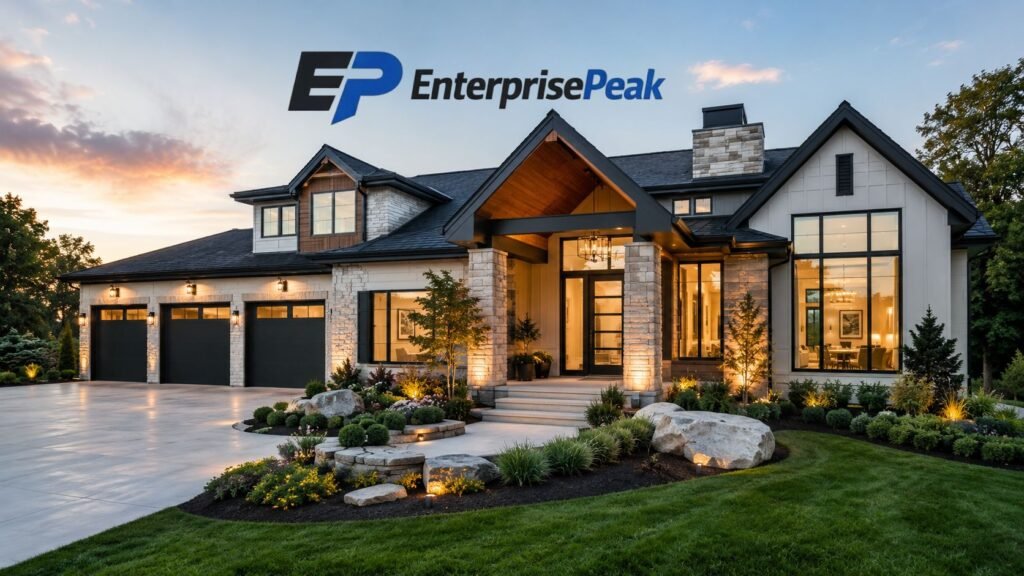

The housing market has always offered two paths: buy what already exists, or commission something built around how you actually live. For a long time, the second path felt inaccessible to most buyers. Land was scarce, builders were hard to find, and the process seemed dauntingly complex. That picture has changed. Custom build homes are more achievable today than they have ever been, and for buyers who prioritise design, performance, and long-term value, they represent a genuinely compelling alternative to buying off the shelf.
A pre-built home, whether new or older, comes with inherited decisions. Someone else chose the floor plan, the ceiling heights, the size of the kitchen, the number of bathrooms, the direction the living room faces. Some of those choices will suit you. Many will not. You adapt. Over time, you renovate. Eventually, you may move because the home no longer fits the way your life has developed. A custom build removes this cycle entirely. Every decision is yours from the beginning, and the result is a home that works for your household precisely because it was designed with your household in mind.
Planning and Design
The custom build process starts with land and design. Finding a suitable plot is often the first practical challenge, and this is where local knowledge matters enormously. A builder with a strong regional presence will know which plots are coming to market, which sites have planning potential, and which constraints are commonly encountered in your area.
Once a plot is secured, the design phase determines the quality of everything that follows. Floor plans, structural systems, window placement, energy strategy, and material selections are all made during this period. Investing time and resource at this stage pays dividends throughout the build and for the lifetime of the property. Changes made before a spade goes into the ground cost nothing. Changes made during construction can be expensive.
Working with a specialist company such as A.R.N Projects means the construction expertise is present during the design phase, not just brought in to execute plans that were developed without building knowledge. This integration of design and build reduces the risk of choices that look good on a drawing but create problems in practice.
Energy Performance and Future-Proofing
Custom builds offer a genuine opportunity to build to a standard of energy performance that is difficult to achieve in an existing property through renovation alone. Insulation levels, airtightness, glazing specification, and mechanical ventilation systems can all be designed to work together from the outset, creating a home that costs significantly less to heat and cool year-round.
The gap between a custom build designed to current best practice and a typical older property in terms of running costs is substantial. Over the lifetime of a mortgage, that gap translates into a meaningful financial advantage. And as energy prices remain subject to volatility, a home that requires less energy to maintain comfort carries a resilience that buyers increasingly value.
Future-proofing also extends to infrastructure. Ducting for smart home cabling, plumbing routes for solar thermal or heat pump systems, structural provision for a home extension, and electric vehicle charging points can all be built into the fabric of the property from the start at minimal additional cost compared with retrofitting them later.
Interior Specification
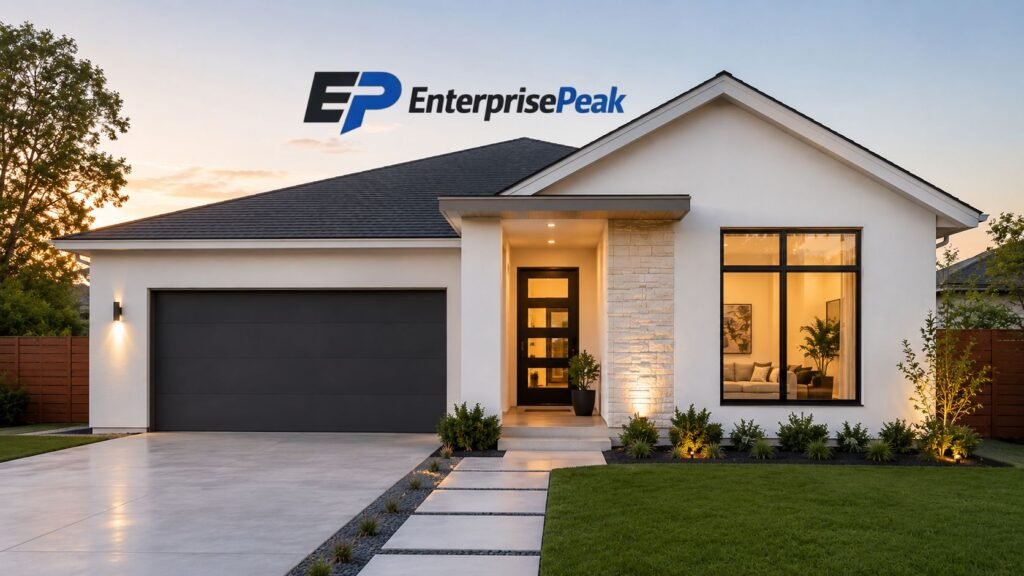
Interior decisions in a custom build are part of the structural process, not an afterthought. Where walls sit determines what is possible with room layouts. The structural openings specified at design stage set the size and position of every door and window. Flooring type influences the floor construction specification. These decisions interact, and getting them right requires thinking about the interior and the structure together.
This is one of the most significant advantages of the custom build approach. In a standard new build, buyers choose from a range of developer-specified finishes. In a custom build, the specification is yours entirely. Oak flooring, feature ceilings, bespoke joinery, stone worktops, and glazing orientated to make the most of natural light are all achievable when they are designed into the project from the start.
Frequently Asked Questions
How long does a custom build take from start to finish? Most projects run between 14 and 24 months from initial design through to completion, depending on complexity, planning timelines, and site conditions. Simpler builds on prepared plots can move faster.
Is a custom build significantly more expensive than buying an existing property? Not necessarily. When you factor in renovation costs typically associated with older properties and the developer profit margin built into new build prices, custom builds are often competitive. The specification is typically higher, and you are not paying for choices you would have changed anyway.
Do I need to find an architect separately? Some builders offer design-and-build services. Others work alongside architects the client appoints. Either approach can work well. What matters is that design and construction expertise are in communication from an early stage.
What happens if I want to change something during the build? Changes during construction are possible but can be costly and cause delays. A detailed pre-construction design phase reduces the need for changes significantly.
Can I live on site or nearby during the build? Most clients do not live on site during construction. Your builder will manage the project from day to day and keep you informed of progress, milestones, and any decisions that require your input.