
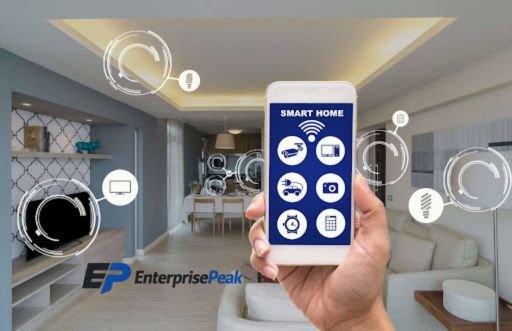

There’s something quietly satisfying about walking into a perfectly lit room, your thermostat already set to the right temperature, your favorite playlist starting on its own. Smart homes aren’t a luxury reserved for tech enthusiasts anymore—they’re becoming a practical part of everyday living.
What Is Smart Home Technology?
Smart home technology connects your household devices—lights, locks, thermostats, cameras, and entertainment systems—through a central network, usually controlled by a smartphone or voice assistant. The goal is simple: give you more control with less effort.
The Real Benefits of a Connected Home
The appeal goes beyond novelty. A well-integrated smart home delivers three meaningful advantages:
- Convenience: Automate routines so your home responds to your schedule, not the other way around.
- Security: Monitor your property in real time, receive instant alerts, and control access remotely.
- Efficiency: Smart thermostats and lighting systems reduce unnecessary energy use, often cutting utility bills noticeably over time.
Key Areas Worth Automating
Not every room needs a tech overhaul at once. Start with the areas that affect your daily routine most:
- Lighting: Schedule lights to adjust with natural daylight or set the right mood for any time of day.
- Climate: Smart thermostats learn your preferences and adapt accordingly, saving energy without sacrificing comfort.
- Entertainment: Sync your TV, speakers, and streaming services into one seamless experience.
- Security: Smart locks, doorbell cameras, and motion sensors give you visibility and peace of mind, whether you’re home or away.
Choosing the Right Smart Devices
The market is crowded, so it pays to be selective. Before investing in devices, consider compatibility—most systems work within ecosystems like Google Home, Amazon Alexa, or Apple HomeKit. Mixing brands that don’t communicate can create more frustration than convenience.
Prioritize devices that solve a real problem in your home rather than adding complexity for its own sake.
Professional Installation vs. DIY
This is where many homeowners hit a crossroads. DIY setups are appealing for their lower upfront cost and flexibility. However, professional home automation services bring something that tutorials can’t always offer: experience with integration challenges unique to your home’s layout and existing infrastructure.
For more complex setups—whole-home audio, automated blinds, or integrated security systems—professional home automation services typically deliver a more reliable and polished result. For simpler additions like smart bulbs or a single smart speaker, DIY is often perfectly manageable.
Making Your Smart Home Truly Intelligent
Individual smart devices are useful. A fully integrated system is transformative. The shift happens when your devices start working together—your security system disarming as you arrive home, your lights and thermostat adjusting automatically, your blinds opening with the sunrise.
This level of coordination usually requires a hub or controller that ties everything together. It’s where home automation services earn their value, helping you move from a collection of gadgets to a genuinely responsive home environment.
The Future of Home Connectivity
AI and machine learning are pushing smart homes further. Systems are becoming better at anticipating needs rather than simply responding to commands. Energy management tools are growing more sophisticated, and integration between home security and emergency services is improving steadily.
The homes being built and retrofitted today are laying the groundwork for a level of connectivity that will feel entirely natural within a generation.
Embracing the Smart Home Revolution
Getting started doesn’t require a complete renovation. A few well-chosen devices, installed thoughtfully, can meaningfully improve how your home functions day to day. As your comfort grows, so can your system.
Whether you handle the setup yourself or invest in professional home automation services, the most important step is simply beginning. Your home should work for you—and with the right technology in place, it genuinely can.