
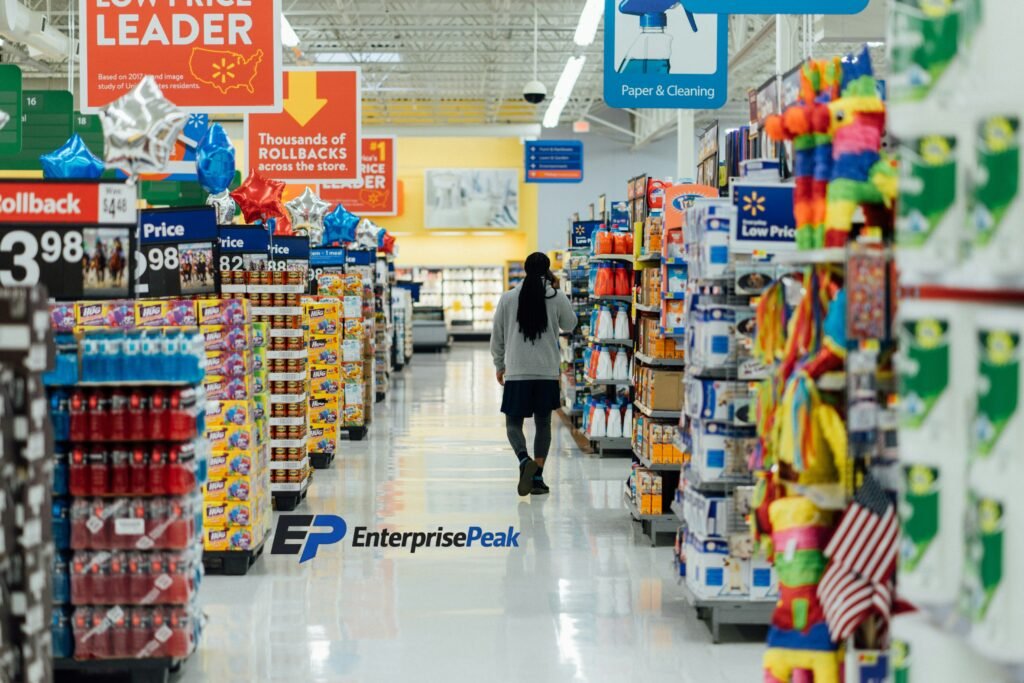

Retail discounting is no longer just a way to get rid of excess inventory, but has become a strategic lever for protecting margins, improving inventory turnover, and creating a better customer experience. In today’s retail landscape, every discount decision impacts profitability, demand forecasting, inventory availability, and even future purchasing behavior. As inflation, supply chain volatility, and changing consumer preferences continue to transform the industry, retailers need more than spreadsheets and manual pricing rules to stay competitive. Modern discount optimization software helps retailers identify the right product, the right discount, the right store, and the right time for each discount event. Using artificial intelligence, predictive analytics, demand forecasting, and inventory intelligence, these platforms transform discount management into a data-driven process that maximizes revenue while minimizing unnecessary margin erosion. Instead of relying on historical assumptions, retailers can continuously adjust pricing decisions based on real-time market conditions and customer demand.
Markdown optimization software enables retailers to reduce excess inventory while preserving profitability. Rather than applying blanket discounts across entire categories, these solutions analyze demand elasticity, inventory levels, product lifecycle, customer behavior, and regional differences to recommend the most profitable markdown strategy. This allows retailers to sell more products at higher margins while reducing waste and improving inventory efficiency.
The best platforms combine AI-powered forecasting, scenario planning, automation, and advanced retail analytics into a single decision-making environment. They help pricing teams react quickly to changing market conditions, optimize markdown timing, and continuously improve promotional performance across thousands, or even millions, of SKUs. Top Markdown Optimization Software for Retail in 2026
- Yieldigo – AI-powered markdown optimization designed specifically for grocery retailers and large retail chains.
- Blue Yonder Markdown Optimization – Enterprise solution focused on lifecycle pricing and inventory-driven markdown decisions.
- Oracle Retail Markdown Optimization – Comprehensive retail pricing platform with advanced predictive analytics for markdown planning.
- RELEX Solutions – Retail planning platform that connects markdown optimization with inventory forecasting and replenishment.
- Flintfox by Enable – Intelligent pricing platform that supports complex pricing execution, promotional pricing, and markdown management across enterprise retail environments.
Best Markdown Optimization Software for Retail in 2026
| Software | Best For | Key Strength | Pricing | G2 Rating |
| Yieldigo | Grocery & FMCG retailers | AI-driven markdown optimization with demand forecasting | Custom | 4.6/5 |
| Blue Yonder | Enterprise retail | Product lifecycle and AI-powered markdown planning | Custom | 4.0/5 |
| Oracle Retail | Large retail organizations | Predictive analytics and enterprise pricing | Custom | N/A |
| RELEX Solutions | Inventory-focused retailers | Inventory-aware markdown optimization | Custom | 4.7/5 |
| Flintfox by Enable | Complex pricing environments | Rule-based pricing automation and markdown execution | Custom | N/A |
Yieldigo – Best for AI-Powered Markdown Optimization in Grocery Retail
What It Is?
Yieldigo is a retail pricing optimization platform designed specifically for grocery retailers with a large product range, frequent price changes, and highly dynamic demand. The platform combines artificial intelligence, demand forecasting, price elasticity modeling, and inventory analysis to recommend the most profitable pricing decisions throughout the product lifecycle. Instead of relying on fixed discount rules or historical assumptions, Yieldigo continuously evaluates changing business conditions and recommends the optimal discount strategy for each product.
One of Yieldigo’s key differentiators is its ability to evaluate discounting decisions within a broader business context. Instead of optimizing individual products in isolation, the platform considers customer shopping behavior, basket composition, category metrics, inventory levels, supplier constraints, seasonality, and competitive pricing. This allows retailers to understand how a discount on a single product impacts category demand and overall profitability.
The platform is designed to support retailers managing thousands of SKUs across stores and regions. Its AI models are continuously trained based on historical sales data and current market signals, enabling pricing teams to make faster and more accurate decisions while reducing manual effort. By combining discount optimization with price and promotion planning, Yieldigo provides retailers with a unified platform for commercial optimization, rather than a separate tool for price reduction.
Best For:
Yieldigo is best suited for grocery retailers, supermarkets, hypermarkets, and FMCG chains that need to optimize markdown decisions across large assortments with high product turnover. Businesses selling fresh food, dairy, bakery products, produce, and other perishable goods can particularly benefit from its ability to balance waste reduction with profit protection.
The platform is also ideal for enterprise retailers seeking to replace spreadsheet-based markdown planning with AI-powered decision-making. Organizations that manage multiple stores, regional pricing strategies, and complex promotional calendars can use Yieldigo to improve pricing consistency while increasing gross margin and reducing inventory losses.
Key Capabilities:
- AI-Powered Markdown Recommendations. Yieldigo automatically recommends optimal markdown timing and discount depth using artificial intelligence. Instead of applying standard percentage reductions, the platform predicts customer demand and calculates which discount will maximize total profitability. This helps retailers avoid unnecessary margin erosion while improving sell-through rates.
- Demand Forecasting and Price Elasticity Modeling. The platform analyzes historical sales, seasonality, weather, holidays, and purchasing patterns to forecast future demand. Built-in elasticity models estimate how customers will respond to different discount levels. These insights enable retailers to make markdown decisions based on predicted customer behavior rather than intuition.
- Inventory and Waste Reduction Optimization. Yieldigo continuously monitors inventory positions alongside expected demand to recommend markdowns that reduce overstocks before products lose value. This capability is especially valuable for retailers selling short shelf-life products where delayed markdowns often result in unnecessary waste. By optimizing inventory turnover, businesses can improve profitability while supporting sustainability initiatives.
- Scenario Planning and Simulation. Pricing teams can simulate multiple markdown strategies before implementation. The platform estimates expected revenue, profit, inventory movement, and customer demand under different pricing scenarios. This allows retailers to compare alternatives and choose the strategy with the strongest financial outcome while minimizing operational risk.
- Integrated Pricing, Promotions, and Markdown Management. Unlike solutions that focus solely on price reduction, Yieldigo integrates regular pricing, promotional pricing, and discount optimization into a single decision-making platform. The system evaluates the interaction of these commercial activities to ensure consistent pricing strategies across the entire product range. This holistic approach helps retailers maximize long-term profitability, rather than optimizing individual pricing activities in isolation.
Strategic Strengths:
Yieldigo’s greatest strength lies in its ability to optimize pricing decisions holistically rather than treating markdowns as isolated events. By combining AI, predictive analytics, demand forecasting, and basket analysis, the platform helps retailers understand the broader commercial impact of every markdown. This results in more intelligent pricing strategies that improve revenue while protecting gross margins.
Another significant advantage is its specialization in grocery retail. Unlike many enterprise pricing solutions designed for general retail environments, Yieldigo addresses the unique challenges of supermarkets and FMCG businesses, including perishability, frequent promotions, supplier-funded discounts, regional pricing differences, and rapid inventory turnover. Its industry-specific AI models enable retailers to generate recommendations that reflect real operational complexity.
Considerations:
Yieldigo is primarily designed for medium-sized and enterprise grocery retailers. Smaller retailers with limited assortments or relatively simple pricing processes may not fully utilize the platform’s advanced analytical capabilities. Organizations should assess whether the scale of their pricing operations justifies investment in AI-driven optimization.
Implementation also requires access to high-quality retail data, including historical sales, inventory information, pricing history, and product attributes. While the platform is designed to automate pricing decisions over time, organizations typically achieve the strongest results when cross-functional teams collaborate during implementation and model calibration.
Pricing: Yieldigo does not publicly disclose pricing information. Costs are provided through custom enterprise quotations based on company size, number of stores, assortment complexity, implementation scope, and required functionality. Interested retailers can contact the company directly to request a personalized demonstration and pricing proposal.
G2 Rating: 4.6 / 5
Blue Yonder Markdown Optimization – Best for Enterprise Retail Markdown Planning
What It Is?
Blue Yonder Markdown Optimization is part of Blue Yonder’s broader retail planning and pricing portfolio, designed to help retailers maximize revenue while reducing excess inventory through intelligent markdown decisions. Rather than relying on static markdown calendars or predefined discount rules, the platform continuously analyzes demand signals, inventory levels, customer purchasing behavior, and product lifecycle data to recommend optimal markdown timing and pricing.
The solution leverages machine learning models that improve forecasting accuracy over time by incorporating historical sales performance, regional demand patterns, seasonality, competitive factors, and assortment dynamics. These predictive capabilities enable retailers to move away from reactive discounting and instead execute proactive pricing strategies that preserve margins while accelerating inventory sell-through.
Blue Yonder integrates markdown optimization into a broader retail planning ecosystem that includes forecasting, replenishment, assortment planning, pricing optimization, and supply chain management. This allows merchandising, pricing, and supply chain teams to work from a unified data environment, ensuring that markdown decisions support both commercial and operational objectives across the organization.
Best For:
The Blue Yonder platform is best suited for large retailers operating in complex multi-channel networks with extensive product assortments and complex pricing requirements. Department stores, fashion retailers, convenience stores, and international retailers often benefit from its enterprise-wide planning capabilities.
The platform is especially valuable for retailers seeking to link discount optimization with inventory planning, demand forecasting, and supply chain management. Organizations managing thousands of stores and millions of SKUs can leverage Blue Yonder’s AI capabilities to automate pricing decisions while maintaining strategic control through customizable business rules.
Key Capabilities:
- AI-Based Markdown Optimization. Blue Yonder automatically calculates optimal markdown timing and discount depth using advanced machine learning algorithms. Instead of applying uniform markdown schedules, the platform evaluates product performance individually based on demand forecasts and inventory conditions. This helps retailers maximize gross margin recovery while minimizing unnecessary discounts.
- Product Lifecycle Pricing Management. The platform manages pricing decisions throughout every stage of the product lifecycle, from initial launch to end-of-season clearance. AI continuously evaluates how demand changes over time and adjusts markdown recommendations accordingly. This lifecycle approach helps retailers maintain stronger profitability while improving inventory turnover.
- Predictive Demand Forecasting. Blue Yonder combines historical sales data with real-time business signals to forecast future customer demand more accurately. The forecasting engine considers seasonality, local market trends, promotional activity, holidays, and external influences when generating recommendations. Improved forecasting enables more confident markdown planning with reduced financial risk.
- Scenario Planning and Financial Simulations. Retailers can compare multiple markdown strategies before implementation through detailed scenario modeling. The platform estimates expected revenue, gross margin, inventory movement, and sell-through performance for each pricing scenario. Decision-makers gain greater confidence by understanding potential financial outcomes before making pricing changes.
- Enterprise Integration Across Retail Operations. Blue Yonder integrates markdown optimization with merchandising, inventory management, forecasting, replenishment, and supply chain planning. This ensures pricing decisions align with operational capabilities rather than functioning independently. Cross-functional visibility improves collaboration between pricing, merchandising, finance, and operations teams.
Strategic Strengths:
One of Blue Yonder’s greatest strengths is the depth of its artificial intelligence capabilities combined with decades of retail planning expertise. Its predictive models continuously improve as additional operational data becomes available, allowing retailers to make increasingly accurate pricing decisions over time. This continuous learning approach helps organizations respond faster to changing consumer behavior and volatile market conditions.
Another significant advantage is the platform’s comprehensive retail ecosystem. Rather than treating markdown optimization as an isolated process, Blue Yonder connects pricing decisions with inventory planning, assortment optimization, demand forecasting, and supply chain execution. This integrated approach enables retailers to optimize profitability across the entire business instead of focusing solely on individual pricing events.
Considerations:
Blue Yonder is designed primarily for enterprise retailers with complex operational structures. Smaller businesses or organizations with relatively straightforward pricing strategies may find the platform more sophisticated than necessary for their current requirements.
Implementation typically involves integration with multiple enterprise systems and substantial data preparation. Retailers should expect dedicated implementation resources, cross-functional collaboration, and ongoing optimization to fully realize the platform’s capabilities.
Pricing: Blue Yonder does not publish standard pricing information. Pricing is provided through customized enterprise proposals based on retailer size, implementation scope, number of users, required modules, and integration requirements. Businesses interested in the platform can request a demonstration and tailored quotation directly from Blue Yonder.
G2 Rating: 4.0 / 5
Oracle Retail Markdown Optimization – Best for Data-Driven Enterprise Markdown Management
What It Is?
Oracle Retail Markdown Optimization is part of Oracle’s comprehensive retail and pricing ecosystem. The platform helps retailers determine the optimal timing, frequency, and depth of discounts by combining predictive analytics, customer demand forecasting, inventory analysis, and business constraints into a single optimization tool. Instead of using standardized discount plans, Oracle enables retailers to tailor pricing strategies to individual products, locations, and customer segments.
The platform continuously analyzes historical sales data, inventory, product lifecycle stages, seasonality, regional demand patterns, and price history to recommend discounts that maximize financial results. Its optimization engine simultaneously evaluates thousands of possible pricing scenarios, enabling retailers to identify strategies that increase sales without compromising profitability.
Because Oracle Retail Markdown Optimization is integrated with the broader Oracle Retail platform, discounting decisions become part of a broader merchandising strategy, rather than a standalone pricing activity. Merchandising departments, pricing specialists, inventory planners, and management work from the same database, improving collaboration and enabling faster business decisions across the company.
Best For:
Oracle Retail Markdown Optimization is best suited for large retailers operating multiple stores, channels, and product categories that require centralized pricing governance. Department stores, grocery retailers, home improvement chains, consumer electronics retailers, and specialty retailers frequently benefit from its enterprise-level capabilities.
The platform is particularly valuable for organizations already using Oracle Retail applications or those looking to build an integrated merchandising ecosystem. Retailers seeking advanced analytics, centralized pricing management, and scalable optimization across thousands of stores can leverage Oracle’s platform to improve both operational efficiency and financial performance.
Key Capabilities:
- Predictive Markdown Optimization. Oracle uses predictive models to recommend optimal markdown timing and discount depth for every product. Instead of relying on predefined markdown calendars, the platform evaluates current inventory levels, forecasted demand, and financial objectives before generating recommendations. This helps retailers maximize gross margin recovery while accelerating inventory turnover.
- Product Lifecycle Management. The platform supports markdown planning throughout the complete product lifecycle, from product launch through final clearance. AI continuously evaluates sales performance and adjusts pricing recommendations as products mature. This enables retailers to maintain stronger pricing discipline while reducing excess inventory at the appropriate time.
- Advanced Demand Forecasting. Oracle combines historical sales data, customer purchasing trends, seasonality, regional performance, and inventory information to generate highly accurate demand forecasts. These forecasts become the foundation for markdown recommendations and inventory planning. Improved forecasting reduces pricing errors and increases confidence in commercial decision-making.
- Scenario Planning and Financial Analysis. Retailers can simulate multiple markdown strategies before implementation and compare projected financial outcomes. The platform estimates expected revenue, gross profit, inventory reduction, sell-through rates, and return on investment for each scenario. Decision-makers gain greater visibility into potential risks before executing pricing changes.
- Enterprise Integration Across Retail Systems. Oracle Retail Markdown Optimization integrates with merchandising, inventory management, replenishment, planning, supply chain, and financial systems. This ensures markdown decisions align with broader operational objectives across the business. Shared data improves consistency while reducing manual work between departments.
Strategic Strengths:
Oracle’s greatest strength lies in its ability to combine advanced optimization algorithms with enterprise-scale retail operations. The platform is capable of processing enormous volumes of pricing and inventory data while generating recommendations that balance profitability, inventory efficiency, and customer demand. This makes it particularly attractive for retailers operating globally or managing highly complex assortments.
Another important advantage is Oracle’s unified retail ecosystem. Since markdown optimization shares data with merchandising, planning, forecasting, and supply chain applications, retailers gain a single source of truth for commercial decision-making. This integration reduces operational silos while improving collaboration between merchandising, finance, pricing, and supply chain teams.
Considerations:
Oracle Retail Markdown Optimization is designed primarily for enterprise organizations with sophisticated pricing operations. Smaller retailers may find the implementation effort and feature set exceed their operational needs, particularly if they do not require enterprise-scale planning capabilities.
Successful deployment typically requires integration with existing retail systems, comprehensive data preparation, and ongoing optimization. Organizations should plan for dedicated implementation resources and change management to maximize long-term value from the platform.
Pricing: Oracle does not publicly publish pricing for Oracle Retail Markdown Optimization. Pricing is provided through customized enterprise quotations based on implementation scope, retailer size, number of stores, required Oracle Retail modules, and integration requirements. Interested organizations can request a personalized consultation and demonstration from Oracle.
G2 Rating: 4.2 / 5
RELEX Solutions – Best for Markdown Optimization Combined with Inventory Planning
What It Is?
RELEX Solutions is a unified retail planning platform that helps retailers make smarter markdown decisions by connecting pricing with inventory management, demand forecasting, and supply chain planning. Instead of treating markdowns as isolated pricing events, RELEX evaluates how every discount affects stock availability, replenishment needs, customer demand, and overall business profitability. This integrated approach enables retailers to optimize commercial performance while maintaining operational efficiency.
Using artificial intelligence and machine learning, the platform continuously analyzes sales history, inventory positions, product lifecycle stages, regional demand patterns, promotions, weather conditions, holidays, and numerous external variables. Based on these insights, RELEX recommends when products should be marked down, how deep discounts should be, and how pricing decisions will influence future inventory movement. The platform helps retailers replace reactive markdown strategies with proactive planning supported by predictive analytics.
One of RELEX’s distinguishing characteristics is its ability to connect commercial planning with operational execution. Markdown recommendations are automatically evaluated against replenishment plans, warehouse capacity, supply chain constraints, and store inventory. This allows retailers to avoid situations where aggressive markdowns create stock shortages or, conversely, where insufficient discounts leave products unsold until they require even deeper price reductions later.
Best For:
RELEX Solutions is best suited for grocery retailers, supermarkets, convenience stores, wholesalers, DIY retailers, and specialty retailers that manage large assortments with complex inventory flows. Businesses handling perishable goods or seasonal merchandise can particularly benefit from the platform’s ability to synchronize markdown decisions with inventory planning.
The platform is also ideal for enterprise retailers looking to integrate pricing, forecasting, replenishment, and supply chain planning into one AI-powered environment. Organizations seeking greater collaboration between merchandising, pricing, and operations teams can leverage RELEX to improve decision-making while reducing manual planning efforts.
Key Capabilities:
- AI-Driven Markdown Optimization. RELEX uses machine learning models to recommend optimal markdown timing and discount levels based on expected customer demand and inventory conditions. Rather than applying standard markdown schedules, every recommendation is tailored to the specific product, location, and business objective. This enables retailers to increase sell-through while preserving as much margin as possible.
- Inventory-Aware Pricing Decisions. Unlike many pricing platforms, RELEX evaluates markdown recommendations alongside current inventory positions and replenishment plans. The platform helps retailers reduce overstocks without creating unnecessary shortages. This integrated planning approach improves inventory efficiency across stores and distribution centers.
- Advanced Demand Forecasting. The forecasting engine analyzes historical sales, promotions, holidays, local events, weather patterns, and customer purchasing behavior to predict future demand. More accurate demand forecasts improve the quality of markdown recommendations throughout the product lifecycle. Retailers gain greater confidence when planning seasonal and clearance pricing strategies.
- End-to-End Retail Planning. RELEX combines markdown optimization with assortment planning, replenishment, forecasting, inventory optimization, workforce planning, and supply chain management. Shared data enables every department to work toward common business objectives. This reduces planning silos and improves overall retail performance.
- Scenario Modeling and Performance Simulation. Retail teams can evaluate multiple markdown scenarios before implementing pricing changes. The platform forecasts expected revenue, gross margin, inventory reduction, waste levels, and sell-through performance under different discount strategies. Decision-makers can therefore choose pricing plans with the strongest projected financial outcomes.
Strategic Strengths:
RELEX’s greatest advantage is its ability to bridge the gap between commercial pricing decisions and operational execution. Because markdown recommendations are evaluated together with inventory forecasts, replenishment schedules, and supply chain constraints, retailers gain a much more comprehensive understanding of the financial impact of every pricing decision. This significantly reduces waste while improving inventory turnover and customer availability.
Another important strength is the platform’s flexibility across retail sectors. Although RELEX is widely recognized for its grocery capabilities, the platform also supports numerous retail formats, including DIY, convenience, wholesale, and specialty retail. Its modular architecture allows retailers to gradually expand functionality as their planning requirements evolve without replacing their existing planning infrastructure.
Considerations:
RELEX Solutions is a comprehensive enterprise platform, not a standalone discount optimization application. Retailers looking for basic discount automation may find that its extensive functionality exceeds their immediate needs. Organizations typically achieve the greatest impact by implementing multiple planning capabilities simultaneously.
Successful implementation also depends on access to reliable operational data and collaboration between merchandising, pricing, supply chain, and inventory management. While the platform automates many complex planning processes, retailers should expect an implementation period during which forecasting models are calibrated and business rules are refined.
Pricing: RELEX Solutions does not publicly disclose pricing information. Enterprise pricing is customized based on retailer size, number of stores, implementation scope, selected modules, and integration requirements. Companies interested in the platform can request a tailored demonstration and commercial proposal directly from RELEX.
G2 Rating: 4.7 / 5
Flintfox by Enable – Best for Complex Enterprise Pricing and Markdown Execution
What It Is?
Flintfox by Enable is a pricing management platform designed for organizations that require sophisticated pricing rules and centralized pricing governance. Originally developed to solve complex pricing challenges for wholesale and retail businesses, the platform now supports markdown optimization as part of a broader pricing strategy. Rather than managing markdowns independently, Flintfox enables retailers to coordinate markdowns alongside promotional campaigns, customer-specific pricing agreements, rebates, and pricing policies.
The platform automates pricing calculations across thousands of products while ensuring compliance with predefined business rules. Retailers can establish pricing strategies that account for inventory levels, supplier agreements, customer segments, seasonal demand, and commercial objectives. This automation reduces manual pricing errors while improving consistency across physical stores, e-commerce channels, and wholesale operations.
As part of the Enable platform, Flintfox extends beyond traditional markdown optimization by integrating pricing execution with broader revenue management processes. Retailers gain greater visibility into pricing performance while ensuring every markdown aligns with long-term commercial strategy rather than acting as an isolated discounting event.
Best For:
Flintfox is best suited for enterprise retailers, wholesalers, distributors, and manufacturers managing highly complex pricing structures across multiple sales channels. Businesses that regularly combine promotional pricing, contract pricing, rebates, and markdowns can benefit from its centralized pricing engine.
The platform is also an excellent choice for organizations seeking stronger pricing governance and automation. Companies operating internationally or managing numerous pricing exceptions can use Flintfox to standardize pricing execution while maintaining the flexibility required for different markets and customer groups.
Key Capabilities:
- Centralized Pricing and Markdown Management. Flintfox provides a single platform for managing regular pricing, markdowns, promotions, rebates, and customer-specific pricing agreements. Pricing teams no longer need separate systems for different pricing activities. This centralized approach improves consistency while reducing operational complexity.
- Advanced Business Rule Automation. Retailers can configure sophisticated pricing rules that automatically calculate markdowns based on inventory levels, product lifecycle, seasonal demand, supplier agreements, or commercial objectives. Once rules are established, pricing updates can be executed with minimal manual intervention. Automation reduces pricing errors while improving operational efficiency.
- Multi-Channel Pricing Execution. The platform distributes pricing updates consistently across stores, online channels, ERP systems, and other sales platforms. Customers receive consistent pricing regardless of where they shop. Centralized execution also simplifies governance across large retail organizations.
- Scenario Planning and Pricing Simulations. Pricing teams can evaluate multiple pricing and markdown strategies before implementation. The system forecasts financial outcomes, allowing decision-makers to compare different discount structures and identify the most profitable approach. This reduces uncertainty and supports more confident commercial planning.
- Enterprise Integration. Flintfox integrates with major ERP, merchandising, and retail management systems to synchronize pricing across the organization. Integration minimizes duplicate data entry while improving data accuracy and operational visibility. Retailers can execute pricing changes without disrupting existing workflows.
Strategic Strengths:
One of Flintfox’s greatest strengths is its ability to manage highly sophisticated pricing environments that extend well beyond traditional markdown optimization. Organizations dealing with contract pricing, rebates, promotional pricing, supplier funding, and regional pricing strategies can manage all pricing activities within one centralized platform. This reduces administrative complexity while improving pricing governance across the business.
Another important advantage is its automation capabilities. Rather than relying on manual spreadsheet updates or disconnected pricing tools, Flintfox automatically applies pricing rules based on predefined commercial logic. This enables retailers to respond faster to changing market conditions while maintaining pricing consistency across every customer touchpoint.
Considerations:
Because Flintfox supports a broad range of pricing processes, implementation may require careful planning and configuration. Organizations with relatively simple pricing requirements may not utilize the platform’s full functionality and should evaluate whether a specialized markdown solution better fits their needs.
The platform delivers the greatest value when integrated into existing ERP and retail management environments. Retailers should allocate sufficient time for implementation, pricing rule configuration, user training, and integration testing to maximize long-term benefits.
Pricing: Flintfox by Enable does not publish standard pricing. Enterprise pricing is customized according to company size, implementation scope, selected functionality, integration requirements, and number of users. Organizations can request a tailored demonstration and commercial proposal directly from Enable.
G2 Rating: 4.3 / 5
Why Trust Our Software Reviews?
Choosing discount optimization software is a long-term strategic investment, not just the purchase of another retail app. The right platform can improve gross margins, reduce inventory shrinkage, increase sell-through rates, and ensure pricing consistency across all sales channels. Because these systems directly impact financial performance, our evaluations focus on practical business value rather than marketing hype.
In our evaluations, we prioritize real-world retail capabilities, enterprise readiness, AI maturity, and operational ease of use. Rather than ranking vendors solely by popularity, we examine how effectively each platform helps retailers make more informed discounting decisions, integrate with existing retail systems, and drive long-term business growth. Our evaluation principles:
Retail-Specific Expertise
We prioritize platforms built specifically for retail pricing and merchandising. Industry specialization often results in better forecasting models, more relevant functionality, and stronger operational support. Retail-focused software typically delivers faster time-to-value than general pricing applications.
Artificial Intelligence and Predictive Analytics
Modern markdown optimization depends on accurate forecasting and intelligent decision-making. We evaluate how each platform applies artificial intelligence, machine learning, demand forecasting, and predictive analytics to improve pricing recommendations. Solutions with stronger AI capabilities generally provide greater long-term business value.
Integration Across Retail Operations
Markdown optimization should not operate independently from merchandising, inventory planning, promotions, or supply chain management. We favor platforms that integrate pricing decisions with broader retail processes. Better integration improves collaboration while reducing manual work and operational risk.
Scalability and Enterprise Readiness
Retailers require software capable of supporting business growth without compromising performance. We assess each platform’s ability to manage large assortments, multiple stores, international operations, and increasing data volumes. Enterprise scalability is essential for long-term return on investment.
Customer Satisfaction and Market Reputation
Whenever available, we review verified customer feedback, publicly available ratings, implementation success stories, and industry recognition. User experiences provide valuable insights into software reliability, vendor support, usability, and measurable business outcomes. Combined with product capabilities, these factors help create a balanced and objective evaluation.
How We Evaluated Markdown Optimization Software for Retail in 2026
Choosing the best discount optimization software requires more than just comparing feature lists. Modern retailers need platforms that can make informed pricing decisions that improve profitability while supporting inventory management, merchandising, and customer satisfaction. That’s why our evaluation focuses on how effectively each solution transforms discount planning into a strategic business opportunity, rather than simply automating discounts.
We assessed each platform based on several critical parameters, including AI capabilities, forecasting accuracy, scalability, ease of implementation, integration with existing retail ecosystems, reporting capabilities, and long-term business value. We also considered how well each solution supports a variety of retail formats, from grocery chains and supermarkets to department stores, specialty retailers, and large international organizations.
Finally, we examined publicly available customer reviews, product documentation, case studies, analyst reports, and vendor sources where possible. Our goal was to identify software solutions that consistently help retailers increase sales, reduce excess inventory, protect gross margins, and make more informed pricing decisions through data-driven optimization.
What Are the Benefits of Markdown Optimization Software?
| Benefit | How It Helps Retailers | Business Impact |
| Higher Gross Margins | AI recommends the optimal discount instead of applying unnecessary markdowns across entire categories. Retailers preserve more revenue while still achieving inventory objectives. | Increased profitability and stronger financial performance. |
| Faster Inventory Turnover | Products move through the inventory lifecycle more efficiently because markdown timing is based on demand forecasts rather than fixed calendars. Overstock situations can be addressed before inventory loses significant value. | Improved cash flow and healthier inventory levels. |
| Reduced Waste | Particularly valuable for grocery and FMCG retailers, markdown optimization helps sell perishable products before expiration. Intelligent pricing reduces unnecessary product disposal and inventory losses. | Lower shrink, improved sustainability, and reduced operational costs. |
| Better Demand Forecasting | Modern platforms continuously analyze customer behavior, historical sales, seasonality, promotions, and external variables to predict future demand. Pricing decisions become increasingly accurate over time. | More reliable planning and fewer pricing mistakes. |
| Automated Pricing Decisions | AI significantly reduces manual pricing work by generating intelligent markdown recommendations automatically. Pricing teams spend less time creating spreadsheets and more time evaluating strategic opportunities. | Increased operational efficiency and productivity. |
| Improved Sell-Through Rates | Products are discounted at the right moment and by the right amount, encouraging purchases before demand declines significantly. Retailers avoid both premature and delayed markdowns. | Higher inventory sell-through with stronger profit recovery. |
| Consistent Multi-Store Pricing | Enterprise platforms maintain pricing consistency across hundreds or thousands of locations while still allowing regional optimization. This simplifies governance without sacrificing flexibility. | Better customer experience and easier pricing management. |
| Scenario Planning | Pricing teams can simulate multiple markdown strategies before implementation and compare projected revenue, profit, and inventory outcomes. Decisions become proactive rather than reactive. | Reduced financial risk and more confident decision-making. |
| Enterprise Integration | Markdown optimization works alongside inventory planning, merchandising, promotions, ERP systems, and supply chain management. Shared data eliminates operational silos and improves collaboration. | More efficient retail operations across departments. |
| Data-Driven Commercial Strategy | Retailers gain deeper visibility into customer demand, pricing performance, category profitability, and inventory movement. Every markdown becomes part of a broader commercial optimization strategy. | Better long-term planning and sustainable business growth. |
How to Choose the Right Markdown Optimization Software
Selecting the right markdown optimization platform depends on your retail format, pricing complexity, inventory strategy, and long-term business goals. While every solution aims to improve pricing decisions, the most effective platform will align with your existing retail processes, technology stack, and organizational maturity. Consider the following factors before making your decision.
- Evaluate AI and Forecasting Capabilities. Artificial intelligence is the foundation of modern markdown optimization. Look for software that incorporates demand forecasting, price elasticity analysis, machine learning, and predictive analytics rather than relying solely on predefined business rules. Better forecasting leads directly to better pricing decisions and stronger financial outcomes.
- Consider Integration with Existing Systems. Markdown optimization should integrate seamlessly with merchandising, ERP, inventory management, supply chain, and point-of-sale systems. Strong integration reduces manual work while improving data consistency across departments. Retailers should prioritize platforms that fit naturally into their existing technology ecosystem.
- Match the Platform to Your Retail Sector. Different retail sectors have different pricing challenges. Grocery retailers require advanced perishables management, while fashion retailers often prioritize seasonal clearance optimization. Selecting software designed for your specific retail environment typically results in faster implementation and better long-term performance.
- Assess Scalability. Choose a platform that can support future business growth. As retailers expand into new markets, increase SKU counts, or add stores and channels, markdown optimization software should continue delivering consistent performance without requiring major system replacements. Scalability protects long-term investment.
- Review Analytics and Reporting. Comprehensive reporting enables pricing teams to understand why markdown recommendations are made and how pricing decisions affect business performance. Look for dashboards that provide visibility into margin recovery, inventory turnover, sell-through rates, forecast accuracy, and category profitability. Strong reporting supports continuous improvement.
- Consider Vendor Support and Implementation. Even the most advanced software requires successful implementation to deliver value. Evaluate the vendor’s onboarding process, consulting expertise, customer support, training resources, and long-term partnership approach. A knowledgeable implementation team can significantly accelerate return on investment.
Conclusion
Discount optimization has evolved from a tactical inventory management process into a strategic opportunity directly impacting profitability, customer satisfaction, and operational efficiency. As retail becomes increasingly data-driven, organizations can no longer rely on manual pricing decisions or fixed discount calendars to remain competitive. Artificial intelligence and predictive analytics enable retailers to make smarter, faster, and more profitable discounting decisions across all product categories.
The platforms featured in this guide represent some of the most powerful discount optimization solutions available in 2026. Whether your organization prioritizes grocery pricing, corporate merchandising, integrated retail planning, or comprehensive price management, each solution offers unique benefits that can ensure long-term business success. Ultimately, the best choice depends on the complexity of your product portfolio, operational requirements, technology ecosystem, and growth goals.
By investing in the right discount optimization software, retailers can improve sales, reduce excess inventory, protect gross margins, minimize shrinkage, and create a more flexible pricing strategy capable of adapting to changing customer demand. Organizations that implement AI-based pricing today will be better positioned to compete in an increasingly dynamic retail environment.
FAQ
What is markdown optimization software?
Markdown optimization software helps retailers determine the best time, location, and discount level for reducing product prices. Instead of relying on manual pricing decisions, these platforms use artificial intelligence, predictive analytics, and demand forecasting to maximize profitability while improving inventory turnover. The goal is to increase sell-through without sacrificing unnecessary margin.
How does AI improve markdown optimization?
Artificial intelligence analyzes large volumes of historical sales data, customer purchasing behavior, inventory levels, seasonality, and market trends to generate pricing recommendations. Machine learning models continuously improve as new information becomes available, allowing retailers to make increasingly accurate pricing decisions. This results in better financial outcomes than traditional rule-based markdown strategies.
Which retailers benefit most from markdown optimization software?
Markdown optimization is valuable for virtually every retail sector, including grocery, fashion, consumer electronics, home improvement, specialty retail, department stores, and general merchandise. Retailers managing large assortments, seasonal inventory, or perishable products often experience the greatest benefits. Enterprise organizations operating across multiple locations also gain significant efficiency through pricing automation.
Can markdown optimization software integrate with existing retail systems?
Yes. Most enterprise platforms are designed to integrate with ERP systems, merchandising applications, inventory management software, forecasting tools, point-of-sale systems, and supply chain platforms. These integrations improve data consistency while allowing pricing decisions to support broader retail operations. Strong integration also reduces manual work and improves collaboration across departments.
What features should retailers prioritize when selecting markdown optimization software?
Retailers should prioritize AI-powered forecasting, demand prediction, scenario planning, inventory integration, automation, enterprise scalability, comprehensive analytics, and ease of implementation. The ideal platform should support both current operational requirements and future business growth. Strong vendor support and successful implementation services are equally important for maximizing long-term return on investment.