
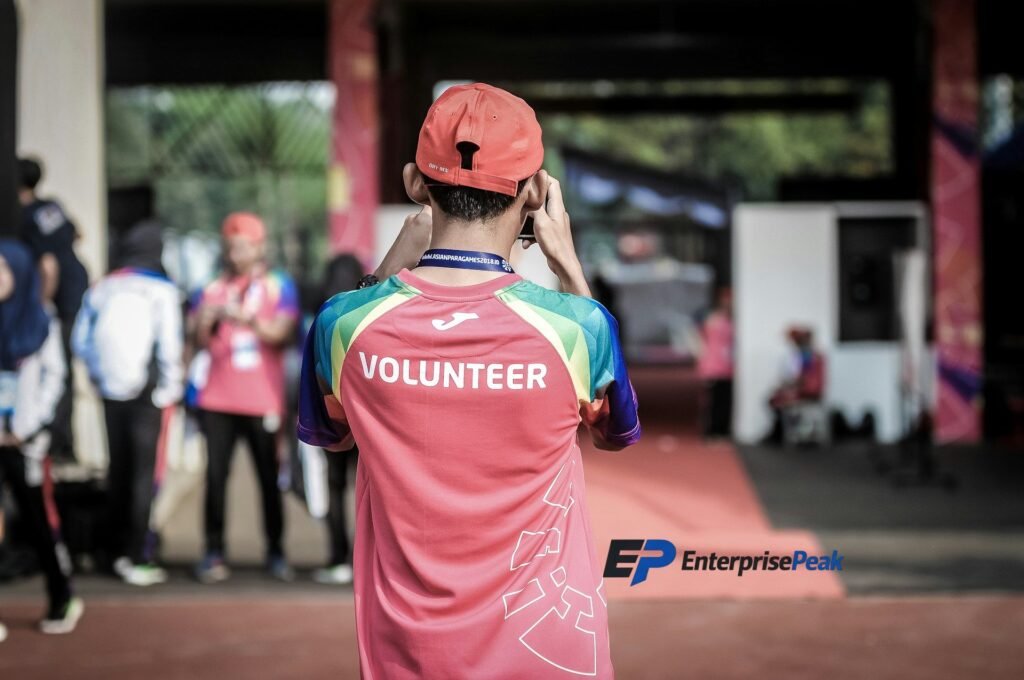

Charity groups are always in need of volunteers, since the more, the better. So, determining where personal abilities will truly matter is the challenging part. It’s simple to believe that all organisations require the same type of assistance, but this is rarely the case. Even if many individuals are already willing to assist at fundraising events or charitable activities, a charity may find it difficult to maintain a website. Another may need someone to organise digital files that have slowly become impossible to manage. Elsewhere, a grant application could be waiting because nobody has had time to proofread it before submission.
All of these tasks and responsibilities matters because they save time, reduce pressure on staff, and allow organisations to focus on the people they are trying to support.
Look at What Comes Naturally
People are often better at something than they realise. Tasks that feel ordinary after years of doing them can be surprisingly valuable somewhere else. Keeping records organised, replying to emails, planning schedules, using Excel, editing photos, writing clearly or dealing with customers are all everyday skills. In a small charity, those same skills can solve problems that have been hanging around for months.
Instead of thinking about job titles or qualifications first, it helps to think about routine tasks. What gets done without much effort? What do friends or colleagues usually ask for help with? The answers often point towards the type of volunteering that feels comfortable from day one.
Time deserves the same honesty. A couple of dependable hours every month are far more useful than an ambitious promise that quickly becomes difficult to keep.
Volunteer Work Has Quietly Changed
Years ago, volunteering usually meant helping at community events or fundraising days. Those opportunities still exist and always will. At the same time, charities have changed. Most now rely on websites, online donations, newsletters, digital records and social media just to manage everyday work. Someone has to look after those things.
That means volunteer roles have become much broader than many people expect. A retired accountant might help tidy financial records. A university student could manage social media for a local project. Someone with photography skills may help tell the story of a community programme through better images. Work like this rarely attracts attention, but it often keeps projects moving.
Start Online, Then Ask Around
Volunteer websites are still one of the easiest ways to begin. The United Nations Volunteers programme lists both international and online opportunities. VolunteerMatch is another useful platform where opportunities can be searched by location, interests and skills.
Still, online listings never tell the whole story. Many community organisations are simply too busy to advertise every role. Sometimes there isn’t even an official vacancy. There is just a task that everyone knows needs doing when the right person comes along.
Don’t Assume “No Vacancy” Means “No Help Needed”
Some of the best volunteer opportunities begin with a conversation rather than an application form. A neighbourhood charity may have delayed redesigning its website because nobody on the team knows where to begin. Another group might need someone to organise paperwork before an annual review. A food bank may be looking for help with its social media but never think to advertise for it.
A polite email introducing available skills and explaining realistic availability can go further than many people expect. Even if nothing happens immediately, organisations often remember people who offered practical help. Those interested in volunteering with established humanitarian organisations can also explore Muslim Aid, which provides different opportunities to support community and relief programmes.

There Is Value Beyond the Work Itself
Most people volunteer because they want to support a cause they care about. Along the way, other benefits often appear without much notice.
Working alongside different people builds confidence. Solving unfamiliar problems develops new skills. Even seeing how different organisations operate can change the way everyday challenges are approached.
These things don’t usually happen after one afternoon. They build slowly through regular involvement, which is probably why so many volunteers stay involved for years.
Final Thoughts
Picking the biggest organisation or the most impressive position is not the key to finding the ideal volunteer job opportunity. It’s about aligning daily skills with daily necessities. Sometimes it’s as simple as updating a website, fixing a spreadsheet, organising neglected files, or editing a report – small tasks that can make a big difference to busy charities.