Drug test cups are a frontline tool for workplaces and clinics that need fast, reliable screening for substance use. When used correctly, modern cups combine immunoassay screening with built-in adulteration and temperature checks to produce robust preliminary results. For decision-makers, HR managers, clinic directors, compliance officers, the choice and handling of drug test cups directly affects legal risk, employee safety, and clinical care pathways. This article explains why these cups matter, how different types work, what influences accuracy, and practical best practices for collection, chain of custody, and confirmatory testing so organizations can build a defensible screening program.
Why Drug Test Cups Matter In Workplaces And Clinics
Drug test cups matter because they provide a fast, standardized method to detect recent drug use and potential tampering. In workplaces, especially safety-sensitive industries, transportation, construction, healthcare, screening helps reduce accidents and regulatory noncompliance. Clinics use cups to support diagnosis, monitor treatment adherence (for pain management or substance use disorder programs), and guide clinical decisions.
Beyond speed, drug test cups offer practical benefits: they’re noninvasive, easy to administer by staff with minimal training, and often include built-in validity checks (temperature strips, creatinine, specific gravity indicators). Those features reduce the incidence of false negatives caused by dilution or substitution. For organizations that need repeatable processes, cups simplify documentation and chain-of-custody steps compared with ad hoc testing.
But, their value depends on selecting the right technology and combining screening with confirmatory testing and consistent policies. Misapplied testing can harm employees, undermine clinical trust, and increase legal exposure. Hence, a clear protocol, rooted in evidence and documented procedures, turns a simple cup into an effective component of workplace safety and clinical care.
Types Of Drug Test Cups And How They Work
Several cup formats are common: each uses different chemistry and offers trade-offs between speed, sensitivity, and cost.
- Immunoassay Rapid-Result Cups: These are lateral-flow or dipstick-based cups that detect drug metabolites using antibodies. They deliver results in minutes and often test panels for amphetamines, cocaine, THC, opiates, benzodiazepines, methadone, and oxycodone. They’re ideal for initial screening in high-volume settings.
- Multi-Panel Digital Cups: Similar to immunoassay cups but with digital readouts and automated timers. They reduce reader subjectivity, logging results with QR codes or timestamps, helpful for audits and chain-of-custody documentation.
- Laboratory-Directed Collection Cups: Some cups collect and preserve urine for transport to a lab. They may include split-specimen designs: one portion for immediate screening, the other sealed for confirmatory testing if needed. These are preferred when legal defensibility and confirmatory workflows are priorities.
- Adulteration-Detection Cups: These include built-in tests for pH, specific gravity, creatinine, and oxidants to detect dilution, substitution, or chemical tampering. They increase confidence in a negative result by flagging potential manipulations.
How they work: Most cups detect metabolites, the breakdown products of parent drugs, rather than the parent compound. Immunoassays bind metabolites to antibodies: a visible line or digital signal indicates a positive above the cup’s cutoff concentration (commonly 50 ng/mL for many panels). Positive screens should be sent for confirmatory testing (GC-MS or LC-MS/MS) to quantify and verify the specific drug.
Key Factors That Affect Accuracy
Accuracy isn’t intrinsic to the cup alone: it depends on multiple controllable factors.
- Cutoff Levels and Panel Selection: Different cups use different cutoff thresholds and test panels. A cup with low cutoffs may detect more positives but raise false-positive risk in certain clinical contexts. Choosing the right panel (e.g., adding buprenorphine or fentanyl) matters for relevance to the population screened.
- Timing of Collection: Detection windows vary by substance and sample timing. Urine is best for recent use (days for many drugs): it won’t reliably detect very recent use (hours) or long-term remote use for some substances.
- Specimen Integrity: Temperature, dilution, and adulterants alter results. Immediate temperature checks and validity tests reduce tampering-related errors.
- Operator Skill and Protocol Adherence: Properly trained staff reduce contamination and clerical errors. Mislabeling, improper sealing, or delayed transport degrade accuracy.
- Manufacturing Quality and Lot Variability: Not all brands meet the same quality control standards. Expired or improperly stored cups lose sensitivity. Procurement from reputable manufacturers with lot traceability improves reliability.
- Cross-Reactivity and Interfering Substances: Some medications or over-the-counter products can trigger cross-reactivity on immunoassays. Clinical review and confirmatory testing mitigate this risk.
Taken together, these factors mean an organization’s screening accuracy is as much about process design and procurement decisions as it is about the cup technology itself.
Proper Collection Procedure And Chain Of Custody Best Practices
A defensible testing program rests on standardized collection and an unbroken chain of custody.
- Pre-Collection Preparation: Use clear written policies explaining when tests are conducted (pre-employment, reasonable suspicion, post-incident, random) and provide staff training. Ensure patients or employees receive informational consent as required by law.
- Direct Observation vs. Privacy Considerations: Direct observation reduces substitution risk but can be legally and ethically sensitive. Many programs use a risk-based approach: observed collection for high-risk circumstances, unobserved for routine testing, always applying validity checks.
- Step-by-Step Collection Protocol:
- Verify identity with photo ID and match paperwork.
- Inspect cup packaging for tamper evidence and confirm expiration dates.
- Have the donor provide the specimen into the cup, using temperature strip immediately after collection.
- Seal the cup per manufacturer instructions and record lot numbers/timestamps.
- Complete the chain-of-custody form with signatures and transfer records.
- Transport and Storage: If shipping to a lab, follow cold-chain or time-window requirements specified by the manufacturer or lab. Maintain documentation, shipment tracking, receipt timestamps.
- Documentation and Audit Trails: Maintain digital or physical records for each test, including lot numbers, operator names, test results, and disposition (e.g., sent for confirmation). These records protect the organization in disputes and support compliance audits.
A consistent, documented process strengthens legal defensibility and supports accurate interpretation of results.
Interpreting Results And When To Use Confirmatory Testing
Interpreting a drug test cup result is both technical and contextual.
- Preliminary vs. Confirmed Results: Immunoassay cups produce preliminary (screening) results. Positive screens require confirmatory laboratory testing (GC-MS or LC-MS/MS) before any adverse employment action or clinical diagnosis is made. Confirmatory tests identify specific compounds and quantify concentrations.
- Handling Invalid or Adulterated Results: If validity markers indicate adulteration or dilution, the specimen should be treated as suspect. Protocols often call for immediate recollection under observation and, if tampering is confirmed, follow disciplinary or clinical escalation steps defined in policy.
- Clinical Context and Medication Review: Results should be reviewed against prescribed medications, medical conditions, and known cross-reactivities. For example, certain antidepressants or antibiotics can affect immunoassay readings.
- Thresholds for Action: Employers should set clear policies consistent with federal, state, and local laws defining what constitutes a positive and the consequences. Clinicians should use results to guide further assessment, not as the sole diagnostic criterion.
- Role of the Medical Review Officer (MRO): In many workplace programs, an MRO examines positive results, reviews prescription history, and provides an independent determination before results are finalized for employment decisions.
When used correctly, screen then confirm, drug test cups support fair, accurate decision-making.
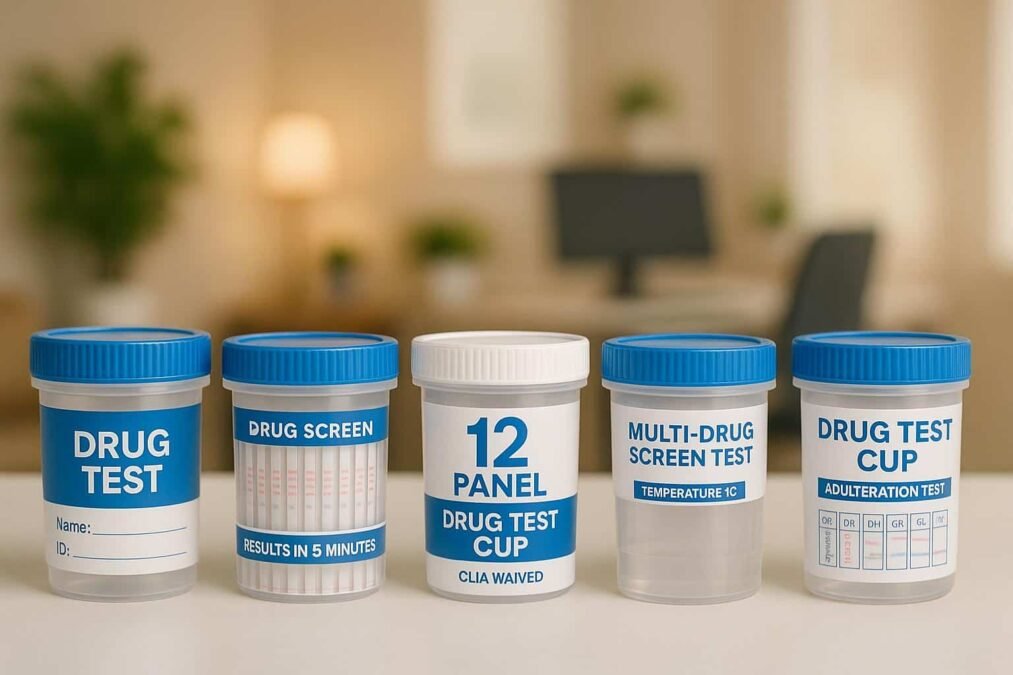
Choosing The Right Drug Test Cup For Your Program
Selecting the right cup requires aligning technology with policy, budget, and legal needs.
- Define Program Goals: Is the priority safety-sensitive screening, clinical monitoring, or forensic defensibility? Safety programs might prioritize fast, multi-panel digital cups: clinics may prefer split-specimen cups that help lab confirmation.
- Panel Relevance: Include drugs prevalent in the screened population. Many organizations now add fentanyl and synthetic opioids to standard panels due to their prevalence and high risk.
- Quality and Compliance: Choose manufacturers with ISO certification, robust lot testing, and clear instructions. Prefer suppliers that provide lot-level COAs (certificates of analysis) and technical support.
- Integration and Documentation: Digital cups that produce scannable records help with auditability and reduce manual entry errors, valuable for agencies managing high volumes or needing integration with HR or EHR systems.
- Cost vs. Risk Tolerance: Higher-quality cups and confirmatory workflows cost more but reduce legal and clinical risk. For organizations without in-house expertise, partnering with accredited labs and vendors simplifies compliance.
- Vendor Relationships: Buy from authorized distributors who offer training, warranty, and traceability. Long-term relationships provide predictable supply and support when regulatory questions arise.
A thoughtful procurement process, driven by goals and risk assessment, yields better outcomes than buying on price alone.
Conclusion
Drug test cups are powerful tools when embedded in a well-designed program: accurate screening hinges on choosing the right cup type, following strict collection and chain-of-custody procedures, and using confirmatory testing and medical review where appropriate. For organizations, whether an employer safeguarding a safety-sensitive workforce or a clinic managing patient care, the investment in quality cups, staff training, and documented processes reduces risk and improves decision-making. Like any compliance tool, their effectiveness depends less on the device itself and more on the systems around it: procurement choices, operator competence, and policy clarity. Organizations that prioritize those elements will get reliable results that stand up to clinical scrutiny and legal challenge.