
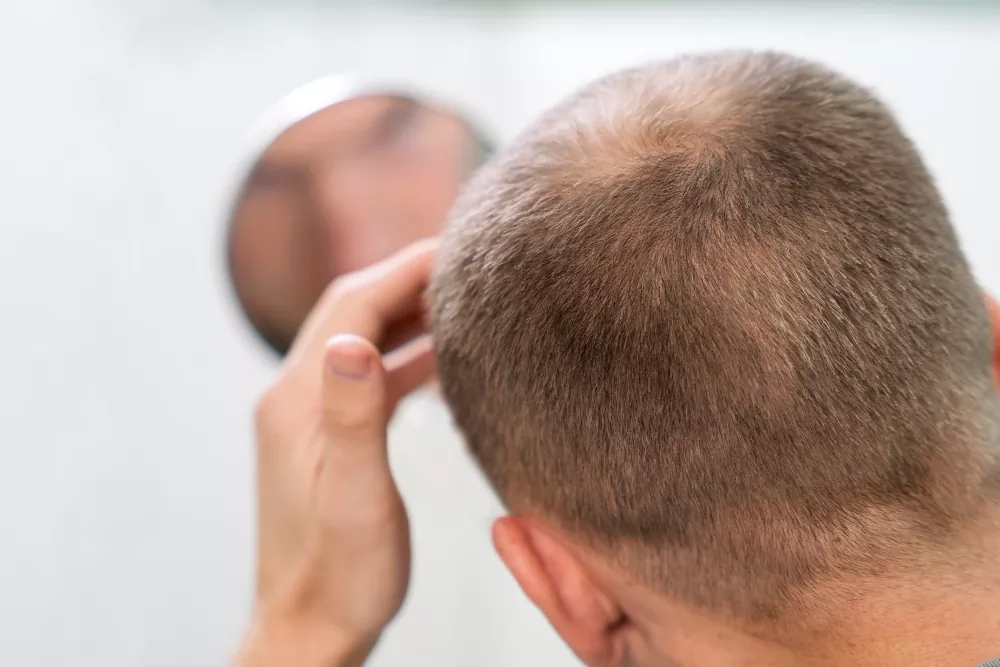

Dutasteride has emerged as a powerful option for people seeking meaningful hair regrowth without complex daily routines. For busy online entrepreneurs, agency owners, and marketers who prize time and measurable outcomes, a dutasteride prescription provides access to a high-efficacy treatment that often outperforms older options. This article explains how dutasteride works, compares oral and topical forms, outlines candidate profiles, timelines, and metrics for progress, covers safety and interactions, and describes how to start responsibly helping readers decide if dutasteride fits their hair-restoration regimen.
How Dutasteride Works For Hair Loss
Dutasteride is a 5-alpha-reductase inhibitor that reduces conversion of testosterone into dihydrotestosterone (DHT), the hormone largely responsible for androgenetic alopecia (male- and female-pattern hair loss). Unlike finasteride, which selectively inhibits type II 5-alpha-reductase, dutasteride blocks both type I and type II isoenzymes. That broader inhibition typically produces a stronger reduction in serum and scalp DHT, often exceeding 90%, and can translate into thicker hair and slower miniaturization of follicles.
Mechanistically, lower DHT levels allow susceptible hair follicles to exit the harmful miniaturization cycle and spend more time in the anagen (growth) phase. Clinically, this shows as increased hair diameter, more visible coverage, and sometimes increased hair counts in treated areas. Because hair growth cycles are slow, biologic changes precede visible improvements by months: understanding that delay is key to setting realistic expectations.
For professionals used to evaluating ROI and metrics, dutasteride’s effect-size data stands out: randomized trials and meta-analyses often show larger improvements in hair counts and global photographic assessments with dutasteride compared with finasteride, though off-label use and regulatory approvals vary by country and indication.
Oral Versus Topical Dutasteride: Pros And Cons
Choosing between oral and topical dutasteride depends on priorities: systemic efficacy versus reduced systemic exposure. Each route carries trade-offs around potency, safety profile, and convenience.
Oral dutasteride typically yields the greatest DHT suppression and the most consistent clinical responses reported in trials. It’s once-daily, low-effort, and convenient for people with packed schedules. The downside is systemic exposure, which means side effects, while uncommon, can affect sexual function, mood, or other hormonal systems in susceptible individuals.
Topical dutasteride aims to concentrate the drug at the scalp while minimizing systemic absorption. Early studies and real-world reports show promising efficacy with lower serum DHT suppression, though results can be more variable depending on formulation, vehicle, and application consistency. Topical formulations may suit those who prioritize a smaller systemic footprint or who experienced tolerability issues with oral 5-alpha-reductase inhibitors.
Below are practical details for both options.
Oral Dutasteride: Dosage, Schedule, And What To Expect
Oral dutasteride is most commonly prescribed as 0.5 mg once daily for hair loss in many clinical practices, though doses and schedules may be individualized. Patients typically take it at the same time each day with or without food. The pharmacologic half-life of dutasteride is long (weeks), so steady-state DHT suppression can be maintained with daily dosing and remains after cessation for some time.
What to expect:
- Onset of biologic effect: measurable DHT reduction within days to weeks.
- Visible hair changes: usually noticeable between 3 and 6 months, with more pronounced gains at 6–12 months.
- Monitoring: clinicians often check symptom response and tolerability at 3 months and reassess efficacy at 6–12 months.
Adherence is simple, one pill daily, but clinicians emphasize a trial period of at least 6 months before judging effect.
Topical Dutasteride: Application Methods And Effectiveness
Topical dutasteride comes in solutions, foams, or serums applied directly to the scalp, typically once daily. Key variables that determine effectiveness include concentration, vehicle (alcohol vs. lipid-based), application technique (targeting affected areas), and consistent use.
Prospective and retrospective studies indicate topical formulations can produce meaningful hair improvements with lower systemic DHT suppression compared with oral dosing. But, topical products are often compounded and vary in quality: formulation matters. Users should prioritize products made by reputable pharmacies or clinically validated brands, and discuss serum monitoring with their prescriber when appropriate.
Common application guidance:
- Apply to a dry scalp: massage gently to ensure coverage.
- Allow adequate drying time before using styling products.
- Avoid accidental transfer to partners or children: wash hands after application.
Who Is A Good Candidate For Dutasteride
Ideal candidates are adults with androgenetic hair loss who seek a potent medical option and have realistic expectations about timeline and monitoring. Typical profiles include:
- Men with early to moderate male-pattern baldness who have not responded adequately to topical minoxidil or who prefer a systemic solution.
- Women with pattern hair loss under close specialist supervision: dutasteride is off-label for many female cases and requires careful pregnancy prevention measures for women of childbearing potential.
- Individuals willing to commit to follow-up for assessment and who understand potential side effects.
Less suitable candidates include those planning conception in the near term (men and women should discuss reproductive plans), people with a history of significant sexual dysfunction that could worsen, and anyone unable to attend basic safety monitoring. A thorough medical history and baseline assessment help determine candidacy and rule out alternative causes of hair loss (thyroid disease, nutritional deficiencies, autoimmune conditions) that may need different management.
Expected Timeline, Results, And How Progress Is Measured
Dutasteride’s effects follow hair biology: biochemical change first, cosmetic change later. Clear timelines and objective tracking make it easier to judge effectiveness.
Typical Response Timeline And When To Reassess
- 0–3 months: biochemical DHT suppression is evident: microscopic follicular changes begin. Patients may notice shedding early as miniaturized hairs shed to make way for thicker regrowth, this can be alarming but is often temporary.
- 3–6 months: early cosmetic improvements in hair caliber and density may appear.
- 6–12 months: the most meaningful visible gains typically occur here. Clinicians often perform a formal reassessment at 6 months and a comprehensive review at 12 months to decide continuation, dose change, or adjunctive therapies.
If no improvement is seen by 12 months, clinicians reassess diagnosis, adherence, and complementary treatments.
How To Track Progress (Photos, Scalp Exams, Metrics)
Practical, objective tracking improves decision-making and aligns with performance-driven mindsets common among entrepreneurs:
- Standardized photographs: take high-resolution photos from consistent angles, lighting, and hair length every 3 months.
- Scalp exams and trichoscopy: clinicians use dermoscopy to assess hair shaft diameter, miniaturization, and follicular units.
- Hair counts and pull tests: quantitative metrics help in clinical settings.
- Patient-reported outcomes: satisfaction scales and confidence measures reflect real-world impact.
Combining objective and subjective metrics gives the clearest picture of treatment value.
Side Effects, Safety, And Long‑Term Considerations
Safety is central when recommending a potent systemic agent. Dutasteride has a generally favorable safety profile, but clinicians counsel patients on possible effects and long-term considerations.
Common And Rare Side Effects To Watch For
Common, usually mild effects include:
- Reduced libido or erectile changes (reported in a small percentage of users).
- Breast tenderness or enlargement.
- Mild mood changes in some individuals.
Rare but important concerns:
- Persistent sexual dysfunction, though uncommon, has been reported and merits prompt evaluation.
- Potential changes in prostate-specific antigen (PSA) levels in men: dutasteride lowers PSA, so baseline and adjusted monitoring protocols are necessary when screening for prostate disease.
Long-term data suggest sustained efficacy for hair with continued use: stopping treatment generally leads to reversal over 6–12 months as DHT levels recover.
Interactions, Precautions, And When To See A Doctor
Dutasteride has few direct drug–drug interactions, but clinicians review all medications and health conditions before prescribing. Important precautions:
- Pregnancy: dutasteride is teratogenic in animal models: women who are pregnant or may become pregnant should avoid handling crushed or broken capsules and must use strict contraception if on therapy.
- Liver disease: because dutasteride is hepatically metabolized, severe hepatic impairment requires caution.
Patients should contact their doctor if they experience persistent sexual dysfunction, mood disturbances, breast changes, or any other concerning symptoms. Regular follow-up and open communication make long-term use safer.
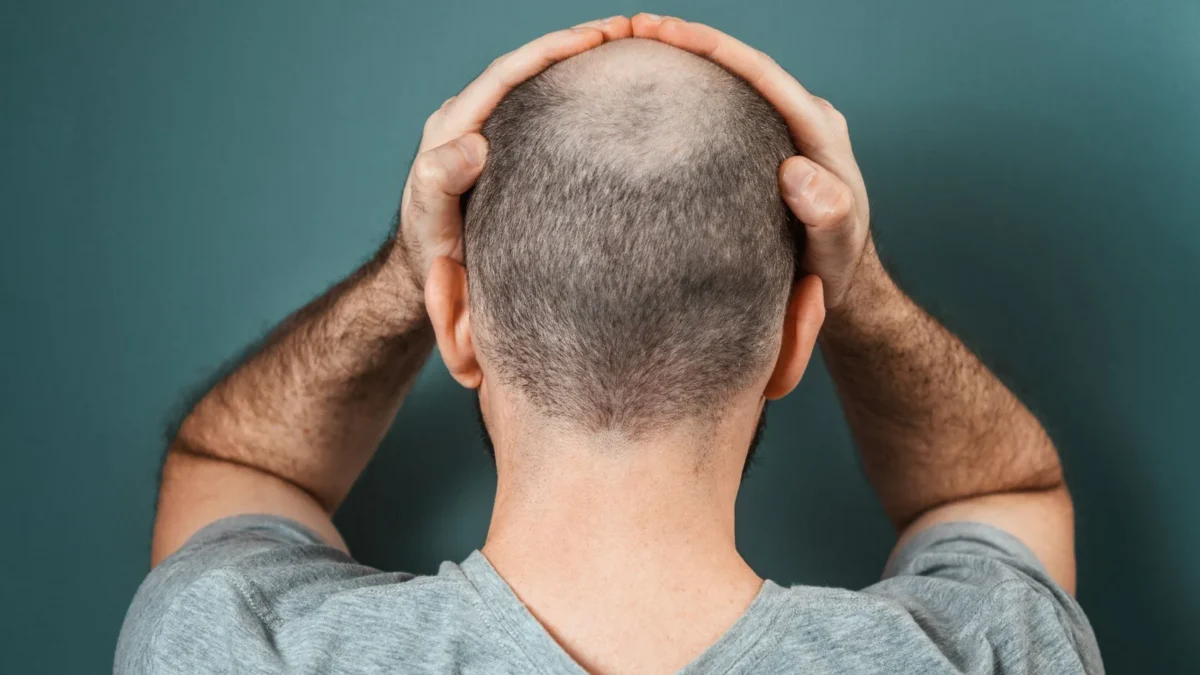
Combining Dutasteride With Other Hair Loss Treatments
Dutasteride often performs best as part of a multimodal program. Pairing treatments can accelerate visible results and address multiple biologic pathways.
Top Pairings: Minoxidil, PRP, Microneedling, And Transplants
- Minoxidil: topical minoxidil complements dutasteride by stimulating local blood flow and follicular activity. Many patients use both for additive effects.
- Platelet-rich plasma (PRP): PRP injections can enhance follicular health and are often used periodically alongside medical therapy.
- Microneedling: creates controlled scalp micro-injury that may improve topical drug penetration and stimulate growth factors.
- Hair transplant: for advanced, stable hair loss, dutasteride can protect native follicles and improve transplant longevity when used before and after surgery.
Treatment Sequencing And Monitoring For Best Outcomes
A practical sequence: start with medical therapy (dutasteride ± minoxidil) for at least 6 months, assess response, and then layer procedural options like PRP or microneedling if gains are partial. For transplant candidates, medical optimization before surgery helps preserve donor and recipient sites.
Monitoring should include regular photos, symptom checks, and clinician exams to ensure synergy and detect side effects early.
Practical Steps To Start Dutasteride Safely
Getting started responsibly keeps benefits high and risks low. The following steps reflect best-practice workflows suitable for busy professionals who want clear, efficient processes.
Getting A Prescription, Baseline Tests, And Follow‑Up Plan
- Consultation: schedule a telehealth or in-person appointment with a qualified clinician experienced in hair loss.
- Baseline assessment: history, scalp exam, and relevant labs (e.g., baseline PSA for men over recommended age, liver function tests if indicated, pregnancy test for women of childbearing potential).
- Informed consent: discuss efficacy expectations, side effects, and monitoring.
- Prescription and plan: choose oral or topical route, set follow-up at 3 months, and formal reassessment at 6–12 months.
Cost, Access, And Tips For Adherence
Cost varies by formulation, pharmacy, and geography. Generic oral dutasteride tends to be affordable: topical formulations, especially compounded preparations, can be pricier. Many patients find automated pharmacy refills and calendar reminders support adherence. For time-pressed entrepreneurs, once-daily oral dosing or a simple topical routine integrated into evening grooming often fits best.
Also consider checking local regulations and working with clinicians who understand the needs of professionals, clear documentation and efficient follow-up reduce friction and keep treatment on track.
Conclusion
Dutasteride is a high-potency option for those serious about reversing androgenetic hair loss. It offers compelling efficacy, flexible administration choices, and works well in combination with other modalities. When used responsibly, it can restore hair density and confidence, letting busy professionals focus on growth, both personal and digital.