
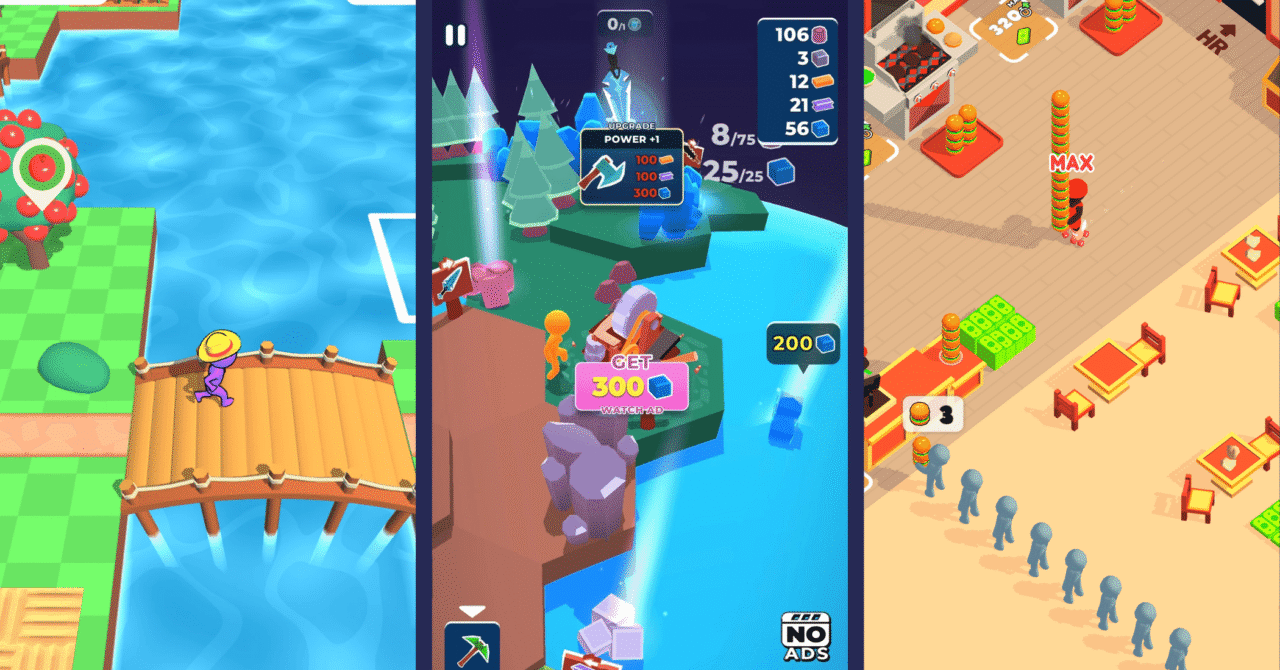

Idle games, also known as incremental games, clicker games, or idle clickers, have quietly become one of the most popular genres in mobile and browser gaming. These games are simple in concept but surprisingly deep in design offering players satisfaction, progression, and a sense of achievement even when they’re not actively playing.
In this article, we’ll explore what idle games are, how they work, why they’re so addictive, and how the genre continues to evolve with technology and player expectations.
What Are Idle Games?
Idle games are a genre of video games where players earn rewards, progress, or resources automatically over time even when they’re offline. The defining characteristic of an idle game is passive progression. Players start by performing simple actions such as clicking a button or collecting a resource, and eventually unlock systems that automate those actions.
Common examples of idle games include:
- Cookie Clicker – The original cult classic where players bake cookies by clicking, then automate production with factories and grandmas.
- AdVenture Capitalist – A business-themed idle game where you grow an empire by investing in various ventures.
- Realm Grinder – A fantasy idle RPG blending rich lore and complex upgrades.
- AFK Arena – A modern idle RPG that combines idle mechanics with competitive and cooperative gameplay.
The appeal is simple yet powerful: progress happens even when you’re away. You can log off, come back hours later, and see growth that feeling of continuous progress is central to the genre’s charm.
The Core Mechanics of Idle Games
Although games seem simple, they rely on carefully designed systems that balance automation, progression, and reward. Here are the most common mechanics that define the genre:
- 1. Clicking or Tapping
Most idle games begin with the player performing a repetitive action, such as clicking or tapping a button. This builds the foundation for automation later in the game.
- 2. Resource Generation
Players earn resources money, gold, points, or other currencies that can be spent on upgrades. Each upgrade increases the rate of production or unlocks new systems.
- 3. Automation
Over time, players purchase items or characters that automatically generate resources. This transition from manual effort to full automation is what defines the “idle” nature of the game.
- 4. Prestige and Reset Systems
A common mechanic in idle games is “prestige” where players reset progress in exchange for permanent bonuses or multipliers. This creates a loop that rewards long-term play and encourages optimization.
- 5. Offline Progression
Modern idle games reward players for time spent away from the game. Offline earnings make it possible for progress to continue in the background, appealing to busy players who can’t play constantly.
Why Idle Games Are So Addictive
At first glance, idle games seem too simple to hold attention for long but their design taps into fundamental psychological principles that keep players coming back.
- 1. Constant Reward Feedback
Idle games provide frequent, visible rewards. Whether it’s a new building, upgrade, or number milestone, the constant flow of achievements satisfies the brain’s reward center.
- 2. Progress Without Pressure
Unlike competitive or action-heavy games, offer stress-free progression. You don’t lose for being inactive instead, the game rewards patience.
- 3. The Power of Exponential Growth
Players love watching numbers grow and idle games often feature exponential scaling. Seeing progress multiply quickly gives a sense of power and accomplishment.
- 4. Short Sessions, Long Engagement
Because idle games don’t require constant attention, they fit easily into daily routines. Players can check in for a few minutes at a time, yet remain invested for months.
- 5. Customization and Strategy
While early idlegames were purely automatic, modern ones add layers of strategy such as balancing upgrades, optimizing investments, or exploring branching paths. This depth keeps advanced players engaged.
Types of Idle Games
The idle game genre has diversified over time. Here are the main types:
- 1. Clicker Games
The most basic form where progress starts with clicks or taps. Examples include Cookie Clicker and Tap Titans.
- 2. Idle Business Simulators
Players manage virtual businesses or empires, like in AdVenture Capitalist or Idle Miner Tycoon. The focus is on scaling profits and automation.
- 3. Idle RPGs
These combine idle mechanics with role-playing features. Players collect heroes, level them up, and battle automatically popular examples include AFK Arena and Raid: Shadow Legends.
- 4. Idle Strategy Games
These introduce tactical decision-making, such as army management or base-building. Realm Grinder and NGU Idle are strong examples.
- 5. Hybrid Idle Games
Modern titles blend idle mechanics with active gameplay merging genres like tower defense, card collection, or adventure exploration.
The Evolution of Idle Games
The earliest idle games were simple browser-based experiments, often built in Flash. Over time, the genre evolved with improved graphics, storylines, and deeper mechanics. The rise of smartphones brought idle gaming into the mainstream.
From Flash to Mobile
Games like Cookie Clicker popularized the concept, while mobile titles such as Adventure Capitalist proved that idle mechanics could sustain monetization models through ads and microtransactions.
Integration with Other Genres
Developers began merging idle mechanics into RPGs, strategy games, and even shooters creating a new category of hybrid idle games. This cross-genre innovation has expanded the audience dramatically.
Live Events and Online Features
Modern idle games now include events, leaderboards, and multiplayer systems, keeping communities active. Seasonal rewards and collaboration events have turned idle game into long-term experiences rather than short distractions.
The Role of Monetization in Idle Games
Idle games are typically free-to-play but rely on monetization strategies that reward time or convenience.
Common Monetization Methods:
- Ad Boosts – Watch ads for temporary boosts or doubled rewards.
- Premium Currency – Spend real money to speed up progression.
- Cosmetics and Skins – Some idle RPGs monetize through visual customization.
- Subscription Models – Offer daily rewards or exclusive bonuses.
The key to success is balance developers must design systems that are rewarding without becoming pay-to-win. Games that respect player time while offering optional monetization tend to retain users longer.
The Future of Idle Games
Idle game continue to evolve, with developers exploring ways to integrate new technologies and experiences.
- 1. AI and Automation
AI-driven systems could make idle games smarter, offering adaptive progression, personalized rewards, and optimized idle paths for each player.
- 2. Cross-Platform Synchronization
Cloud saves allow players to sync progress across devices enabling seamless transitions between mobile, desktop, and web play.
- 3. Blockchain and NFTs
Some experimental idle game use blockchain for item ownership and trading. While controversial, it shows how innovation continues within the genre.
- 4. Narrative-Driven Idle Games
Developers are increasingly adding storylines and quests to keep players emotionally invested. Games like Melvor Idle integrate deep RPG narratives with idle systems.
- 5. Augmented and Virtual Reality
Though still new, idle mechanics could soon appear in AR or VR experiences letting players progress passively in immersive worlds.
Tips for Players New to Idle Games
- Start Simple: Begin with classic games like Cookie Clicker or AdVenture Capitalist to understand core mechanics.
- Focus on Upgrades: Invest in automation as early as possible it’s the key to progress.
- Use Prestige Wisely: Resetting may seem counterintuitive, but it’s vital for exponential growth.
- Experiment with Strategies: Different games reward different play styles find what suits your pace.
- Balance Active and Idle Play: Some moments benefit from active attention; others reward patience.
Conclusion
Idle games prove that less can be more. By removing the pressure of constant interaction and focusing on steady, satisfying progress, they appeal to players who want entertainment without stress. The genre’s combination of simplicity, strategy, and long-term reward has created a loyal fan base and it’s still growing.
As developers push the boundaries with hybrid systems, live events, and deeper mechanics, the future of idle gaming looks brighter than ever. Whether you play to relax, optimize numbers, or build empires while you sleep, idle games continue to deliver the joy of endless progression one click at a time.