
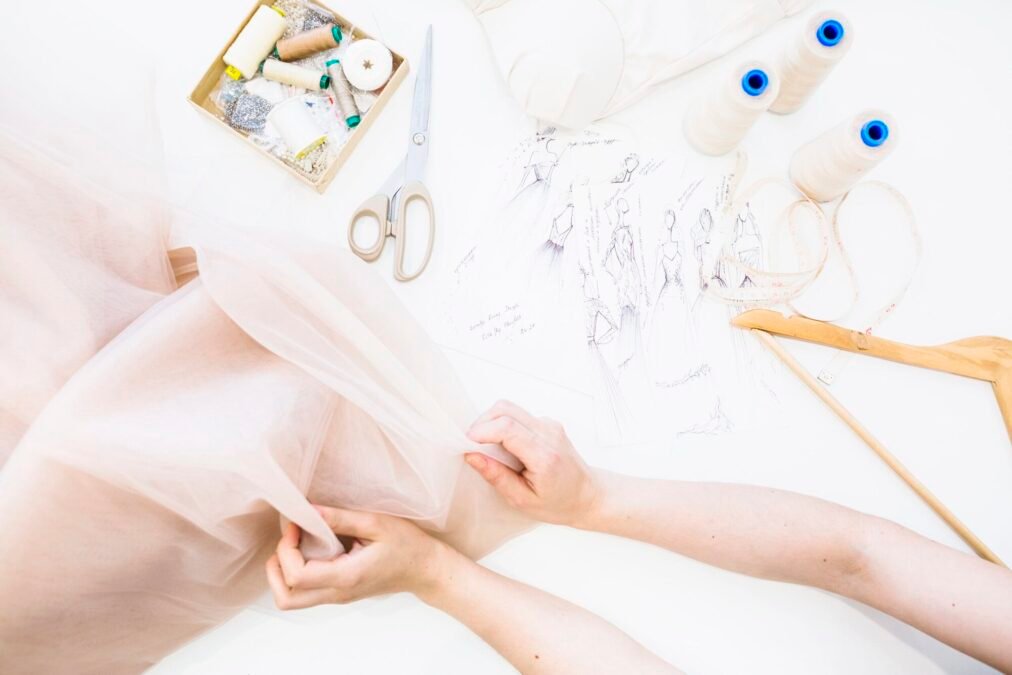

What Makes a Fabric “Premium” Today
As a designer, I often think about more than just the color or the print I think about why some fabrics instantly feel more “premium.” For me, a premium fabric is a mix of quality, origin, and the way it behaves when I start working with it. Take Italian silk, for example. The moment you touch it, you feel the difference: it breathes, drapes softly, and forms natural, elegant folds without effort. Or consider merino wool warm, lightweight, and soft enough for coats that feel luxurious without being heavy.
Premium quality always shows in the details: an even weave, a rich natural tone, the right balance of density and softness. Even cotton can be luxurious when it’s long‑staple it becomes smooth, structured, and perfect for shirts that keep their shape all day. So when I choose materials, it’s never just about price or brand. It’s about how the fabric will behave in a finished garment and whether it can bring my design idea to life.
What is Premium Fabric?
Premium fabric https://beglarianfabrics.com/ is any material that stands out because of its superior fibers, careful production, and the way it feels and performs. It’s not just about luxury labels it’s about the craftsmanship behind the textile. For example, long‑staple cotton is considered premium because the longer fibers create smoother, stronger yarns. High‑end linen comes from carefully processed flax that keeps its natural texture while becoming softer with every wash. And premium silk is defined by its natural sheen and the way it flows effortlessly. These fabrics don’t just look beautiful; they handle well during cutting and sewing, resist pilling, and drape naturally on the body. In the hands of a designer, a premium fabric makes the whole creative process easier and the final garment more expressive.
The Difference From Non-Premium Fabric
The gap between premium and non‑premium fabrics becomes clear the moment you start working with them. Non‑premium materials often have shorter fibers, looser weaves, or synthetic blends that affect breathability and durability. They may wrinkle faster, fade quicker, or lose their shape after just a few wears. For instance, regular cotton can feel rougher and shrink unevenly, while basic polyester may trap heat and limit movement. In contrast, premium fabrics hold structure, maintain color, and age beautifully over time. They respond better to tailoring seams stay cleaner, drapes fall naturally, and silhouettes look sharper. As a designer, I always notice how premium textiles elevate even a simple pattern, while non‑premium ones can limit the final result the moment the garment is worn.
What Attracts Designers to Premium Fabric?
Designers are drawn to premium fabrics not just because they look beautiful, but because they elevate the entire creative process from the first sketch to the final fitting. When you work with a high‑quality textile, you immediately feel how much easier it is to shape, drape, tailor, and refine the garment. Italian silk, for example, naturally falls into clean, fluid lines that require minimal correction, making it ideal for evening wear and bridal pieces. Wool flannel of premium grade presses sharply without losing softness, which is a dream when you’re sculpting structured coats or tailored trousers.
But the real reason designers return to premium fabrics is reliability. These materials behave predictably: they don’t warp under the iron, they hold stitches evenly, and their colors remain true even under studio lighting. For a collection where every detail matters, this consistency saves time and prevents costly mistakes.
There’s also the emotional side: premium fabrics inspire ideas. A piece of quality tweed can spark a whole capsule line; a roll of Japanese cotton might push you to rethink casual silhouettes. And finally, premium textiles ensure the final garment delivers the “luxury experience” that modern clients expect not only in appearance, but in touch, movement, and longevity.
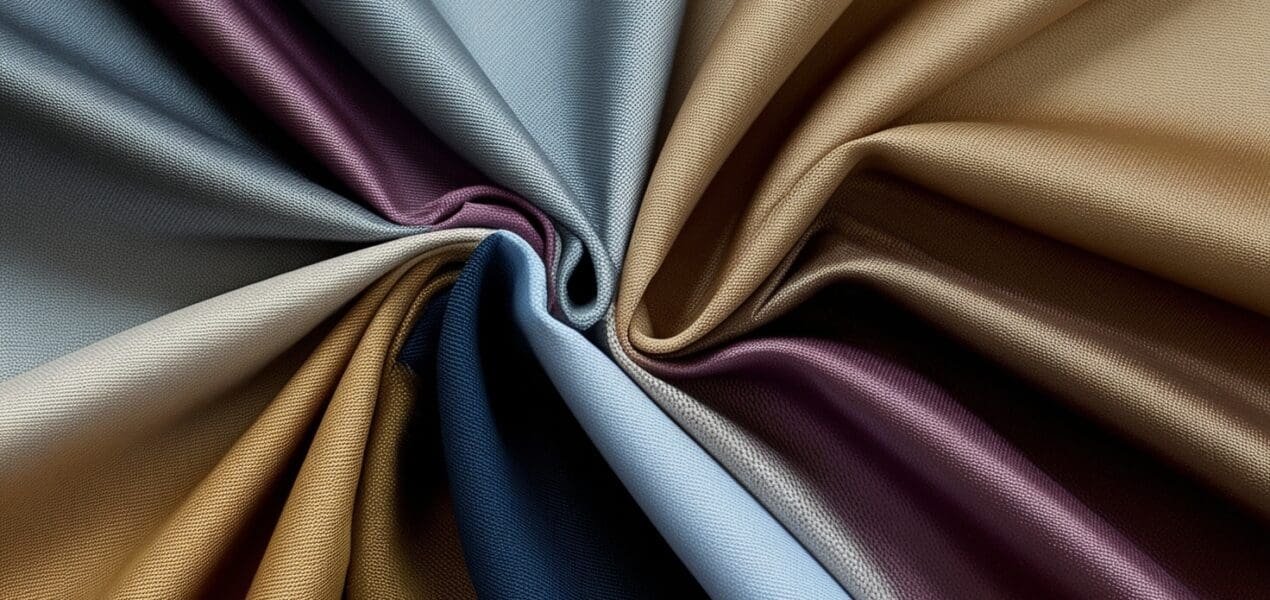
Why Delivery Matters in Luxury Fashion
Premium fabric doesn’t simply appear in a designer’s studio it travels a long and careful path before reaching the cutting table. Every step of this journey affects the final garment. High‑quality textiles often come from European mills, where they’re woven, inspected, and stored under controlled conditions. Once purchased, the real challenge begins: getting them to designers without losing any of their original quality.
Unlike mass‑market materials, premium fabrics require special handling. Silk must be protected from moisture and sunlight, wool needs proper ventilation, and delicate blends must be rolled correctly to avoid creasing. A small mistake in transport can change how a fabric drapes or behaves during tailoring.
Fast, reliable delivery also matters because designers work on tight timelines. A delayed roll of fabric can push back fittings, photoshoots, or even entire collections. That’s why luxury fashion depends not only on beautiful materials but on the precision of how they’re shipped. When a fabric arrives in perfect condition clean edges, smooth texture, no distortion it becomes much easier to bring a designer’s idea to life.