
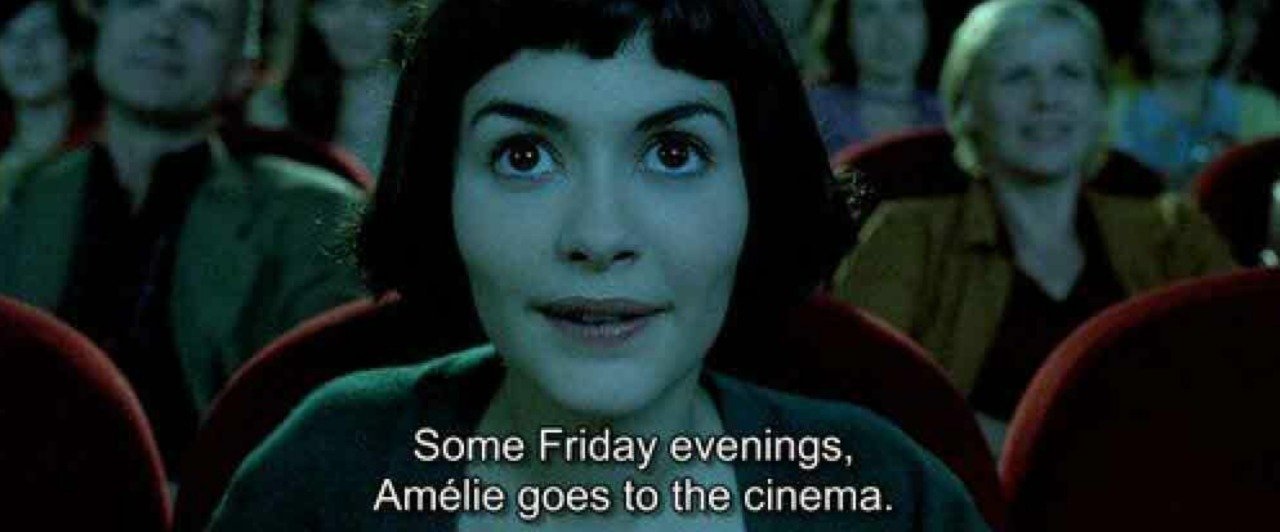

Britain’s living rooms have grown used to words on the screen. Subtitles are no longer reserved for overseas films or accessibility alone. Surveys show a steady rise in their everyday use, with older habits from DVD box sets now joined by mobile-first viewing, ad-tiers and social video that often defaults to muted playback. A 2023 YouGov poll found that 28% of GB adults prefer subtitles even when the show is in their native language, a clear minority but large enough to shape mainstream UX and editorial choices. Among younger viewers, usage is considerably higher and trending upwards, which helps explain why captions now feel like a default rather than a niche add-on.
Why are so many people watching with captions?
Start with audibility. Modern television mixes can create wide dynamics between quiet dialogue and loud effects, and many flatscreens push sound sideways from tiny speakers. In a recent AP-NORC poll in the United States, younger adults said they reach for subtitles in noisy rooms, while older adults cited hearing or accent reasons, together pointing to a common need to catch every word. UK viewing habits amplify this. The IPA’s 2025 TouchPoints dataset shows adults spending more time on their phones than in front of the TV set, which means a growing share of “second-screened” sessions where captions reduce the cost of glancing away.
Then consider platform shifts. Ofcom’s latest analysis shows YouTube is now the second most-watched media service in the UK by time spent, with around 39 minutes a day on average in 2024. A larger share of that is now on TV sets, but the culture of watching short clips with on-screen text migrated from phones to televisions along with viewers. Once users expect captions to be there, they notice quickly when they are not.
Key point: Audibility issues, second-screen habits and the YouTube-to-TV shift have normalised captions for everyday British viewing.
The UK’s rules and responsibilities
If captions feel ubiquitous, regulation is part of the story. Ofcom’s Code on Television Access Services sets ten-year targets for broadcasters: 80% subtitling overall, higher targets for Channel 3 and Channel 4 at 90%, and 100% for BBC channels. In plain-English guidance, the regulator explains how these obligations scale as channels mature. These are among Europe’s most demanding baselines and they make subtitles integral to broadcast operations, not a discretionary extra.
On the on-demand side, the Media Act 2024 introduced statutory quotas for streaming platforms for the first time, with the government outlining 80% subtitling and 10% audio description as the expected direction of travel. Industry provision has risen fast even ahead of deadlines. Ofcom’s 2025 report recorded that 94.7% of providers responding offered subtitles on some of their content in 2024, up from 89.1% the year before. The Channel 4 subtitling outage in 2021, later ruled a breach of licence conditions, serves as a cautionary example of the operational resilience now expected.
Key point: UK law and Ofcom targets make subtitles a core service for broadcasters and streamers, with rising expectations on coverage and reliability.
Craft, timing and readability: what good captions look like
Captions are writing and timing. The BBC’s widely cited practice notes put typical reading speeds around 160 to 180 words per minute for general audiences. Netflix’s timed-text rules, often copied across the industry, advise 17 to 20 characters per second depending on content and audience. Academic work finds that speeds well below or above that band begin to erode enjoyment, even if comprehension survives. Editors therefore shorten lines, segment turns of speech and time entries to camera cuts so that reading matches the scene rhythm.
Layout matters too. Two-line captions centred near the bottom third keep eyetracking efficient, while sound cues in brackets, speaker IDs and italics for off-screen voice add meaning without clutter. British editors often adjust punctuation and remove filler words so that captions carry sense rather than syllable-for-syllable transcripts. That editorial shaping makes captions feel like part of the film’s grammar, not a hasty overlay.
Key point: Readable subtitles live in a narrow speed band and use careful editing, punctuation and placement so that reading tracks the scene rather than fighting it.
Editing, pacing and humour in a caption-first world
Comedy exposes every flaw. If a punchline appears a beat before delivery, the laugh drops. This is where subtitlers and picture editors work hand in glove. Best practice is to delay the key word until the line is spoken, time breaks to shot changes, and avoid stacking captions when multiple off-screen sounds compete. Music stings and “[beat]” cues can guide timing but should be used sparingly. Research into subtitle incongruities shows that mismatches raise cognitive load and reduce enjoyment, even when viewers still follow the plot, so precision pays off.
Creators also reshape mixes. Dialogues are nudged up in LUFS, sidechains tuck under key phrases, and ambiences are carved to leave spectral space for consonants. If your ad tier runs on connected TVs with modest speakers, intelligibility becomes as important as colour grading. The aim is to make captions optional without making them unnecessary.
Key point: Pacing and humour survive captions when editors time reveals to speech and mixers prioritise intelligibility, keeping text and audio in the same comedic rhythm.
Practical playbook for producers and creators

For long-form shows, begin with a template. Many studios now create master subtitle templates that lock timings and segmentation before translation. Templates ensure every language follows the same editorial decisions, which improves quality and speeds delivery. They also make compliance easier when regulators or partners ask for evidence.
In day-to-day workflows, creators win or lose on small frictions. If you are building title cards and social cut-downs, consolidate assets before edit. When you receive mixed stills from a press kit, passing them through a png to jpg converter keeps sizes predictable for quick previews inside NLE bins. That helps story producers and social teams move faster on laptops and mid-range phones.
For branded shorts and explainers, captions must survive tiny viewports. Keep line length short, avoid placing important text over bright highlights, and remember that many viewers will watch muted in feeds. A brief asset step using a png to jpg converter can eliminate transparency edges that appear when social apps place PNGs over background colours. It is a housekeeping detail that stops halos around logos or series titles.
Even in broadcast-adjacent workflows, speed matters. When you publish same-day highlights from a live event, large alpha-rich stills and overlays can slow a content management system. Converting heavyweight PNGs to lean JPEGs via a png to jpg converter before upload reduces queue times and helps pages render faster on slower home connections during peak viewing. Small gains here improve both user satisfaction and ad viewability on free tiers.
For accessibility and compliance, document choices. Keep a one-page style sheet per series: reading speed target, line-break preferences, rules for numbers and songs, conventions for swearing and dialect. Add examples. When the team rotates or the show gets a seasonal replacement editor, you will keep a consistent voice across episodes.
- Creator checklist that travels well
- Fix a target speed band and enforce it in QC.
- Lock a subtitle template before localising.
- Mix for intelligibility on TVs, not just on studio monitors.
- Design social captions for mute-first feeds and small screens.
- Keep an audit trail: style notes, version history, and a slate of compliance exports.
- Fix a target speed band and enforce it in QC.
Who benefits most, and where next?
Captions remain essential for Deaf and hard-of-hearing viewers, but the audience is broader. Multilingual households use English subtitles to keep the volume modest at night. Students and commuters rely on captions to watch discreetly. The result is a Venn diagram where accessibility and convenience overlap. Provision is still uneven on niche services, yet the direction is clear. Ofcom’s tracking shows more providers offering subtitles each year, and on-demand quotas under the Media Act are bringing laggards into line.
For UK producers and platforms, the upside is tangible. Captions increase completion rates on muted starts, make complex dialogue more quotable on social, and reduce customer-service friction when accents or audio styles vary. The risk is complacency. When captions are rushed, they spoil reveals, drift out of sync, or crowd shots with text. The goal is not “captions everywhere”, but “captions that respect the cut”.
Conclusion
Captions have crossed the line from accessibility feature to viewing norm. UK regulation and platform incentives pushed supply up. Mobile habits, wide dynamic mixes and the YouTube-to-TV migration pulled demand along. For creators, the craft sits in the details: choose readable speeds, cut to speech, leave space in the mix, and treat captions as part of the film’s grammar. Do that and you serve both the viewers who need them and the millions who simply prefer to keep the words on.