
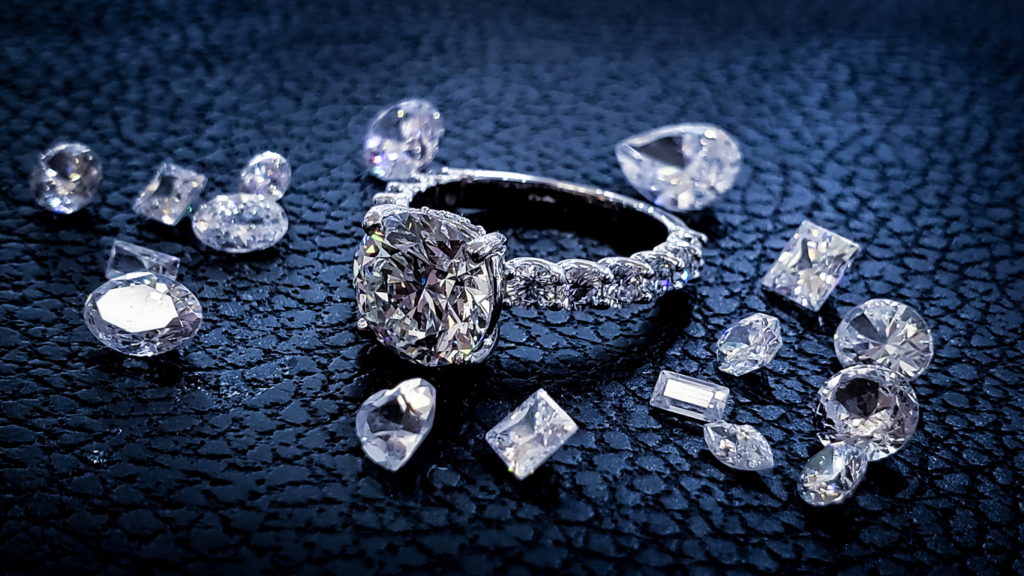

Diamonds have always been symbols of wealth, love, and eternal beauty. Whether you’re looking for an engagement ring, a special gift, or a personal treat, finding the right diamond seller is a crucial step to ensuring you get both value and quality. But with so many diamond sellers available, how do you know which one is trustworthy, reputable, and offers the best deals? In this detailed guide, we will explore everything you need to know about diamond sellers, from what to look for when choosing one, to the different types of diamonds, and how to ensure you’re getting the best value for your money.
Understanding the Diamond Industry
Diamonds are more than just shiny stones; they are natural marvels created deep within the Earth under immense pressure. The diamond industry is vast and operates on a global scale, with diamond miners, wholesalers, manufacturers, and retailers all playing a role in bringing diamonds to consumers. In recent years, however, synthetic or lab-grown diamonds have also entered the market, offering an alternative to traditionally mined stones.
The first step in purchasing a diamond is understanding the differences between these types of diamonds and knowing the certifications that ensure quality and authenticity.
Natural vs. Lab-Grown Diamonds
- Natural Diamonds: These are the traditional diamonds formed naturally over millions of years in the Earth’s crust. They are mined from the earth, and the mining process can have significant environmental and ethical implications. However, natural diamonds are often perceived as more valuable due to their rarity.
- Lab-Grown Diamonds: These diamonds are created in a laboratory setting using high-pressure, high-temperature methods or chemical vapor deposition. While they are chemically and physically identical to natural diamonds, lab-grown diamonds are typically less expensive and offer a more sustainable option for eco-conscious buyers.
Certification and Grading
Before buying a diamond, it’s important to ensure it has been graded by a reputable grading agency. The Gemological Institute of America (GIA) and the American Gem Society (AGS) are two of the most trusted grading organizations. A diamond’s quality is evaluated based on the 4 Cs: Cut, Color, Clarity, and Carat weight.
- Cut: Refers to how well the diamond has been shaped and faceted, affecting its brilliance.
- Color: The less color a diamond has, the more valuable it is. The GIA grades diamonds on a scale from D (colorless) to Z (light yellow or brown).
- Clarity: This refers to the presence of internal or external imperfections. A flawless diamond is extremely rare and valuable.
- Carat: The weight of the diamond, with one carat equaling 0.2 grams. Larger diamonds tend to be more expensive.
Types of Diamond Sellers
Diamond sellers can be categorized into several types, each with its own advantages and challenges. It’s important to choose the type of seller that best fits your needs and preferences.
Jewelry Stores
Traditional jewelry stores have long been a go-to for diamond buyers. They typically offer a wide selection of diamonds, engagement rings, and other jewelry pieces. Some of the most well-known jewelry chains include Tiffany & Co., Cartier, and De Beers. These retailers often provide a physical shopping experience where you can see the diamonds in person and receive personalized service from sales professionals.
Pros:
- In-person viewing and handling of diamonds.
- Personalized customer service.
- Established brands with reputations for high-quality diamonds.
Cons:
- Higher prices due to overhead costs.
- Limited selection compared to online retailers.
Online Diamond Sellers
With the rise of e-commerce, many buyers have turned to online diamond retailers. Websites such as Blue Nile, James Allen, and Brilliant Earth have become popular options for purchasing diamonds. These sellers offer extensive online catalogs, often with detailed images and videos of each diamond.
Pros:
- Broader selection and competitive pricing.
- Ability to compare diamonds easily.
- Convenience of shopping from home.
Cons:
- You can’t physically inspect the diamond before buying.
- Limited or no in-person assistance, depending on the seller.
Wholesale Diamond Dealers
Wholesale dealers typically sell diamonds in bulk to retailers, but many offer direct sales to consumers as well. Buying from a wholesaler can sometimes yield a better price because there are fewer middlemen involved. However, the process can be less straightforward for a first-time buyer, and it may require more research to ensure the quality of the diamonds.
Pros:
- Better pricing due to fewer intermediaries.
- Access to high-quality diamonds, often with direct certification from grading institutions.
Cons:
- Limited customer support or personalized service.
- Potentially less transparency regarding the source and ethical practices of the diamonds.
Custom Jewelers
Custom jewelers allow you to design a personalized piece of jewelry. These sellers can source diamonds and use their expertise to craft a unique design tailored to your specifications. Custom jewelers often work with high-quality diamonds and offer a more personalized touch.
Pros:
- Personalized, unique designs.
- Ability to source diamonds based on your preferences.
- Expertise in jewelry craftsmanship.
Cons:
- Higher prices due to customization.
- Potential longer wait times for the design and creation process.
How to Choose the Best Diamond Seller
Now that you have an understanding of the types of diamond sellers, here are the key factors to consider when selecting the best one for your needs.
Reputation and Reviews
One of the best ways to gauge a diamond seller’s credibility is by looking at customer reviews and testimonials. Positive feedback from previous customers indicates that the seller provides good-quality products and reliable service. Look for reviews on trusted websites, such as Google Reviews, Trustpilot, or Better Business Bureau.
Transparency and Certification
A reputable diamond seller should be transparent about the diamonds they sell. They should provide clear details on the diamond’s grading, and any certificates it holds from recognized grading agencies like the GIA or AGS. Look for sellers that provide high-resolution images or videos of the diamonds so you can view them in detail.
Customer Service
Customer service is crucial when purchasing a diamond, especially if it’s your first time. The seller should be able to answer your questions about diamonds, the 4 Cs, and the certification process. They should also provide guidance on returns, exchanges, and warranties in case there are any issues with your purchase.
Price and Payment Options
Diamond prices can vary significantly depending on the quality and source of the stone. While online retailers tend to offer competitive pricing, it’s essential to consider your budget. Be sure to check for any hidden fees, shipping costs, or taxes that may increase the total price. Additionally, some diamond sellers offer financing options, so you can spread out the payments if necessary.
Ethical Sourcing and Sustainability
If you’re concerned about the ethical implications of purchasing a diamond, many sellers now offer information on their sourcing practices. Look for retailers that provide lab-grown diamonds or source their natural diamonds from conflict-free zones. Some companies, like Brilliant Earth, offer diamonds that are ethically sourced and environmentally friendly.
Final Thoughts
Purchasing a diamond is an investment, both emotionally and financially. By understanding the different types of diamond sellers, knowing what to look for in terms of certification, quality, and service, and considering ethical and sustainability concerns, you can make an informed and confident decision. Whether you choose a traditional jewelry store, an online retailer, or a custom jeweler, make sure to do thorough research, ask the right questions, and ensure you’re getting the best value for your money.
When in doubt, choose a diamond seller that is transparent, has a great reputation, and offers exceptional customer service. With these steps, you’ll be well on your way to finding the perfect diamond for your needs, ensuring that it is as beautiful and timeless as the love or occasion it represents.
