
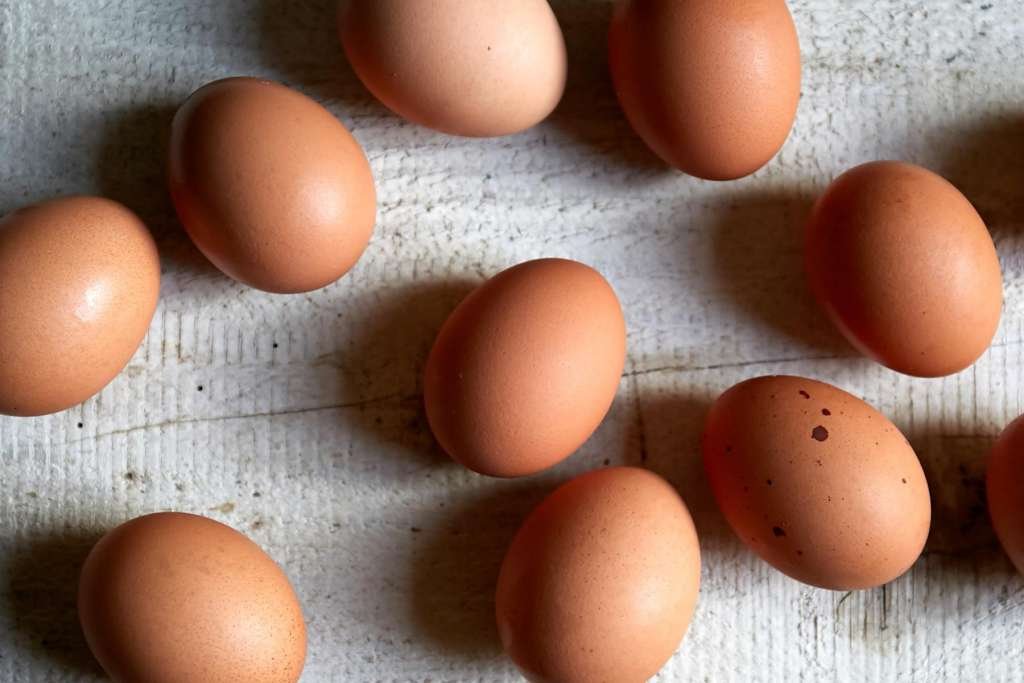

Eggs are among the most efficient, versatile, and cost-effective ingredients an entrepreneur or busy professional can keep on hand. For operators who value time, nutrition, and consistent results—whether making a quick breakfast before a client call or developing recipe-driven content for a niche site—choosing high-quality eggs and mastering a few reliable techniques pays off every day. Many readers streamline this process by choosing to order eggs online, ensuring freshness, a consistent supply, and minimal errands. This article explains why egg quality matters, how to choose and source the best eggs in 2026, practical safety and storage tips, essential cooking methods, and more than 30 meal ideas that suit tight schedules and premium culinary goals.
Why High-Quality Eggs Matter (Nutrition, Flavor, and Versatility)
High-quality eggs deliver better flavor, texture, and nutrition, three factors that influence cooking outcomes and perceived value. Nutritionally, eggs provide complete protein, essential amino acids, choline (important for brain health), and fat-soluble vitamins A, D, E, and K in a compact package. For content creators or ecommerce operators who promote food products, using and showcasing superior eggs elevates recipe photography and conversion.
Flavor and texture: eggs from hens raised on diverse diets (including pasture access or omega-3-enriched feed) often produce richer yolks and a more satisfying mouthfeel. That difference is subtle on paper but obvious on camera and at the table: custards are silkier, scrambled eggs more tender, and hard-boiled yolks less chalky.
Versatility: eggs function as a binder, a leavening agent, an emulsifier, and a garnish. A single carton can seed breakfasts, weeknight dinners, baked goods, and even product content like listicles or recipe roundups, making them ideal for marketers and affiliates looking for high-utility topics. In short, high-quality eggs improve outcomes in the kitchen and the marketplace.
How to Choose Great Eggs: Labels, Grades, and What They Really Mean
Understanding labels and grades helps buyers make informed choices instead of being swayed by marketing buzz. Key terms to know:
- Grade (AA, A, B): Grades relate to shell condition, albumen clarity, and yolk definition. Grade AA eggs have firmer whites and rounder yolks, best for frying and presentation. Grade A is common and fully serviceable: Grade B is typically used in baking or processed foods.
- Size (Jumbo, XL, L, M): Adjust recipes for size when precision matters. Bakers and food creators should standardize on large eggs unless a recipe specifies otherwise.
- “Pasture-raised” vs “Free-range” vs “Cage-free”: These describe housing and, to some degree, welfare. “Pasture-raised” generally implies outdoor access and tends to correlate with richer yolk color and flavor. “Free-range” indicates some outdoor access: “cage-free” means birds aren’t kept in cages but may still be indoors. Labels aren’t regulated equally in every market, so look for third-party certifications when animal welfare or outdoor access matters.
- Organic and Omega-3 Enriched: Organic eggs come from birds fed organic feed and reared without synthetic pesticides; omega-3 eggs are produced by supplementing feed with flaxseed or fish oil to raise beneficial fats.
- Local versus mass-brand: Local farm eggs often provide better traceability and fresher product, though they can vary in consistency and price. Mass brands deliver uniformity and predictable supply but may lack the flavor nuance of smaller producers.
For professionals making purchasing recommendations or building affiliate content, pairing label explanations with clear photos and short supplier notes improves trust and click-throughs.
Where to Source High-Quality Eggs: Farmers, Markets, and Online Options
Sourcing depends on priorities, freshness, traceability, price, or convenience. Options include:
- Farmers and CSAs: Buying directly from a farmer or through a community-supported agriculture program yields fresh eggs and the chance to ask about feed and husbandry. It’s ideal for local recipe testing and storytelling in content.
- Farmers’ markets: A good balance of variety and immediacy. Photos of market stalls and short quotes from producers can enrich content and lend authenticity.
- Specialty grocers: Higher-end grocers often stock pasture-raised and certified organic options with consistent packaging and labels, helpful when exacting standards are needed for recipe testing or photography.
- Direct-to-consumer online shops: Subscription egg services now ship farm-fresh eggs regionally. They’re convenient for busy professionals who want consistent quality without weekly market trips.
- Wholesale suppliers and club stores: For volume needs, meal-prep businesses, restaurants, and agencies creating bulk content, club stores and foodservice suppliers offer competitive pricing.
When sourcing for client projects or ecommerce content, document provenance and take photos: readers value transparency and it supports affiliate credibility.
Storing, Handling, and Food-Safety Best Practices
Proper handling extends shelf life, maintains quality, and reduces risk. Key practices:
- Refrigeration: Store eggs in their carton on a middle or lower shelf, not the door, to maintain a consistent cool temperature. In the U.S., refrigeration is standard due to egg-washing practices.
- Use-by: Follow stamped dates as guides: properly refrigerated eggs are typically good for 3–5 weeks after purchase. For older eggs, a simple float test (sinks = fresher: floats = older) helps determine usability.
- Cross-contamination: Keep eggs separate from ready-to-eat foods. Wash hands and surfaces after cracking raw eggs: use separate bowls for raw and finished components if prepping large batches.
- Cooking temperatures: For dishes with eggs intended to be fully cooked (e.g., casseroles, quiches), heat to 160°F (71°C) to minimize food-safety risk.
- Preservation: Hard-boiled eggs should be refrigerated within two hours and consumed within a week. Pickled eggs (acidified with vinegar and salt) can last weeks refrigerated if prepared correctly.
For agencies producing food-related client content, including clear safety cues protects readers and reduces liability.
Essential Cooking Methods and Pro Tips
A few mastered techniques unlock dozens of reliable dishes. The following subsections outline pragmatic tips for consistency and speed.
Scrambled, Omelets, and Soft-Cooked Eggs — Quick Techniques
For creamy scrambled eggs, whisk eggs with a pinch of salt and a splash of cream or milk. Use medium-low heat and remove from the pan just before they look fully set, the residual heat finishes them. For omelets, dry-heat the pan, add butter, pour in beaten eggs, and tilt to form a uniform layer: fill when the surface is slightly wet. Soft-cooked eggs (sous-vide at 145°F for 40–45 minutes or gently poached) yield custard-like whites and runny yolks, perfect for bowls and salads.
Fried, Sunny-Side, and Over-Easy — Temperature and Timing Tips
Heat a nonstick skillet to medium-low. Add oil or butter and crack eggs gently. For sunny-side up, cook slowly until whites set: cover briefly to ensure the top white firms without flipping. For over-easy, let whites set, flip gently, and cook for 10–20 seconds. High heat produces crisp edges but risks rubbery whites; control temperature for tender results.
Poached, Soft-Boiled, and Jammy Yolks — Tricks for Consistency
Use fresh eggs for poaching; they hold their shape better. Add a teaspoon of vinegar to simmering water and create a gentle whirlpool before slipping in the egg: cook 3–4 minutes for set whites and runny yolks. For jammy yolks, boil for 6–7 minutes, then shock in ice water to stop cooking and ease peeling.
Baked, Frittatas, and Quiches — Oven Tips and Make-Ahead Strategies
Preheat the oven to 350–375°F. For baked eggs or shirred eggs, cook until whites set but yolks remain soft, typically 10–15 minutes. Frittatas are forgiving: start on the stovetop, finish in the oven for an even set. Quiches benefit from blind-baked crusts and room-temperature fillings to prevent sogginess. Both frittatas and quiches reheat well, making them solid batch-cook assets.
Hard-Boiled, Pickled, and Preserving Eggs — Perfect Yolks Every Time
For consistent hard-boiled yolks, bring water to a boil, add eggs, then simmer for 9–12 minutes, depending on size and desired doneness. Transfer to an ice bath for cleaner peeling. To pickle, refrigerate peeled hard-boiled eggs in a vinegar-brine with aromatics for at least 24 hours: they’ll develop flavor over several days and keep refrigerated for weeks.
Meal Ideas: High-Quality Eggs for Every Time of Day
Eggs scale across occasions: quick breakfasts, protein-packed lunches, one-pan dinners, and shareable appetizers. Below are organized ideas to inspire weekly menus and evergreen content.
Breakfast and Brunch Wins (5 Quick Recipes)
- Herb-scrambled eggs on sourdough with cultured butter, ready in 6 minutes.
- Avocado toast topped with a jammy yolk and chili flakes, fast, visual, and social-media friendly.
- Spinach and feta omelet, high-protein, low-carb.
- Shakshuka for two, poached eggs in a tomato-pepper sauce: doubles as entertaining content.
- Greek yogurt egg salad on whole-grain toast (using mashed hard-boiled eggs) for a protein-forward start.
Lunch and Light Dinners (5 Protein-Packed Ideas)
- Niçoise-style salad with seared tuna and soft-boiled eggs.
- Egg-topped grain bowl: roasted veg, quinoa, and a soft-cooked egg.
- Open-faced egg and smoked salmon sandwich.
- Egg fried rice with scallions and peas, use leftover rice for speed.
- Warm lentil salad with crumbled hard-boiled eggs and a mustard vinaigrette.
Hearty Dinner Recipes Featuring Eggs (4 One-Pan and Comfort Meals)
- Spanish tortilla (potato and onion frittata) served family-style.
- One-pan carbonara using whole eggs and Pecorino for a silky sauce.
- Baked beans and eggs with crusty bread are classic comfort food.
- Sizzling bibimbap with gochujang and a fried egg crowning each bowl.
Snacks, Appetizers, and Sides (Deviled, Pickled, and More)
- Classic deviled eggs with a smoked paprika finish.
- Pickled eggs for antipasto platters or bar snacks.
- Scotch eggs (sausage-wrapped hard-boiled eggs) for shareable bites.
- Soft-boiled eggs with dippers, soldiers of toast for a playful snack.
- Simple egg mayonnaise to spread on crackers or use as a dip.
Meal Prep, Batch Cooking, and Time-Saving Hacks for Busy Professionals
Busy professionals and agency teams can use eggs strategically to save time and maintain nutrition:
- Batch hard-boiled eggs on Sunday for quick breakfasts, salads, and snacks through the week.
- Make a large frittata or quiche that slices for lunches and reheats cleanly for meetings or client days.
- Pre-portion breakfast jars: grain, greens, and a soft-cooked egg added that morning.
- Use sous-vide eggs as a low-lift finishing protein for bowls; set-and-forget precision yields repeatable results.
Agencies producing recipe content should include timing, yields, and storage notes in posts to reduce friction for readers and improve user trust. Small touches, like offering printable shopping lists, boost engagement and conversion for affiliate links.
Budgeting, Sustainability, and Reducing Waste When Buying Eggs
Eggs are already cost-effective, but a few strategies make purchasing more sustainable and budget-friendly:
- Prioritize needs: buy pasture-raised or organic for dishes where yolk color and flavor are central (brunch photography, featured recipes) and standard Grade A for bulk baking.
- Buy local in season: local eggs cut transport emissions and support small producers.
- Reduce waste: store eggs in their carton and use older eggs for baking or hard-boiling.
- Compost shells: crushed eggshells are valuable in compost or as a calcium supplement for houseplants.
For SEO and content professionals, content that pairs sustainability tips with affiliate product recommendations (e.g., compost bins, egg storage solutions) can create helpful cross-sell opportunities while aligning with audience values.
Conclusion
High-quality eggs are a small investment with outsized returns: better flavor, more consistent results, and flexible applications across meals and content types. For busy entrepreneurs, marketers, and agencies, mastering sourcing, storage, and three to five cooking techniques converts a humble carton into a weekly workhorse, fuel for productivity and creative content. Whether sourcing eggs from local farms for an authentic brand story or using batch-cooked frittatas to simplify weekday meals, the right choices make cooking faster and content more credible. Practical next steps: identify a reliable local supplier, standardize on a preferred egg size for recipes, and practice two core techniques (one stovetop, one oven-based) until results are consistent.