

As of June 2026, AI video creation is moving faster than almost any other creative category. A year ago, turning a still image into a cinematic clip or extending a short video required advanced editing skills. Today, AI tools can handle these tasks in minutes.
Creators, marketers, and startup teams increasingly rely on AI to produce content at scale. Whether you’re building social campaigns, creating ads, or experimenting with storytelling, the right tool can dramatically reduce production time.
After testing dozens of platforms over the past few weeks, I found that some tools excel at bringing static photos to life, while others are better at extending existing footage into longer, more engaging videos.
The best platforms combine speed, quality, and ease of use.
The Best Tools at a Glance
| Tool | Best For | Key Features | Platform | Free Plan |
| Magic Hour | Image animation and video extension | Image-to-video, video extension, AI effects | Web | Yes |
| Runway | Advanced video editing | Generative video and effects | Web | Limited |
| Pika | Social content creation | Animation and transitions | Web | Yes |
| Kling AI | Cinematic AI videos | Text and image-to-video | Web | Limited |
| Luma AI Dream Machine | Realistic motion generation | High-quality video generation | Web | Yes |
| InVideo AI | Marketing videos | Script-to-video workflows | Web | Limited |
| Canva AI | Beginner creators | Templates and simple animation | Web | Yes |
1. Magic Hour
Magic Hour has quickly become one of the most practical AI platforms for creators who need both creativity and speed. Its tools are particularly impressive for users who want to animate photo AI projects and create longer videos using an AI video extender.
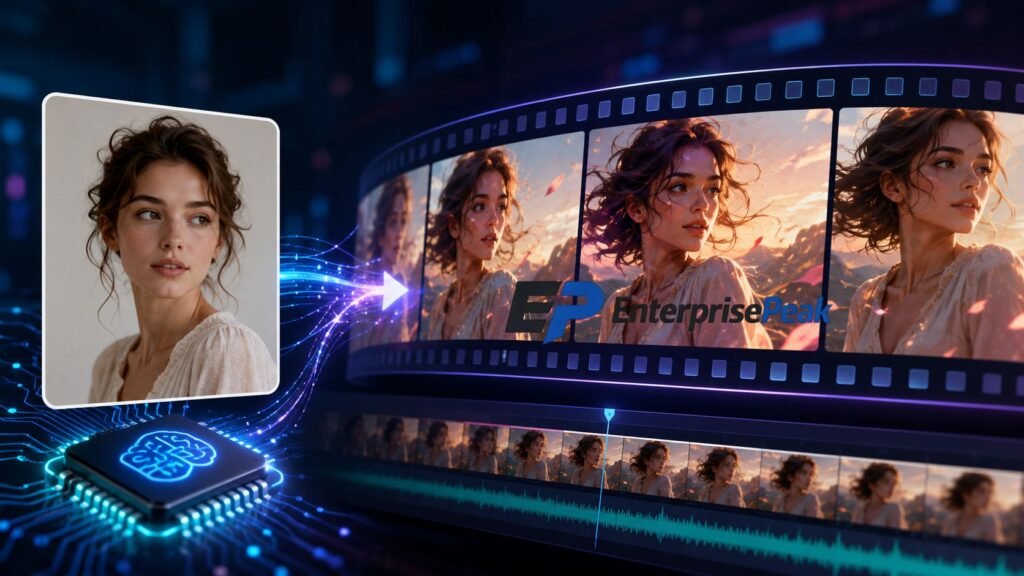
The platform’s image-to-video technology transforms still photos into dynamic clips with realistic movement. It can add subtle facial expressions, camera movement, and environmental effects that make static images feel alive.
Its video extension feature is equally useful. Creators can take short clips and continue the action naturally, which is particularly valuable for social media content and advertisements.
Pros
- Excellent image-to-video generation
- Fast rendering times
- Beginner-friendly interface
- High-quality motion effects
- Useful video extension capabilities
- Free plan available
Cons
- Advanced editing controls are still growing
- Some premium templates require a subscription
After testing several platforms, I found Magic Hour to be one of the easiest ways to create engaging videos without a complicated workflow. If your goal is to animate photo AI content for social media or use an AI video extender to repurpose existing footage, this platform is difficult to beat.
Pricing: Free plan available with paid subscriptions for additional credits and premium features.
2. Runway
Runway remains one of the most advanced creative platforms on the market. It offers sophisticated AI video generation and editing capabilities for professional creators.
Pros
- Advanced editing tools
- Excellent generative effects
- Frequent feature updates
Cons
- Higher learning curve
- Premium features can become expensive
Runway gives creators more control than many beginner-focused platforms, making it an excellent option for professionals.
Pricing: Free credits available with premium plans.
3. Pika
Pika focuses on making short-form videos more engaging. The platform excels at turning ideas into visually interesting clips.
Pros
- Fast generation
- User-friendly interface
- Great for social media content
Cons
- Limited professional editing features
- Smaller template library
I particularly enjoyed Pika’s ability to generate playful and creative animations in just a few clicks.
Pricing: Free plan available.
4. Kling AI
Kling AI has attracted attention because of its cinematic image-to-video generation.
Pros
- High-quality motion generation
- Realistic animations
- Good prompt interpretation
Cons
- Slower rendering
- Limited free access
Kling is ideal for creators who prioritize visual quality over speed.
Pricing: Limited free plan.
5. Luma AI Dream Machine
Luma AI’s Dream Machine continues to push the boundaries of realistic video generation.
Pros
- Excellent motion quality
- Impressive realism
- Fast improvements
Cons
- Inconsistent results with complex prompts
- Limited editing tools
This platform feels like a glimpse into the future of AI-generated filmmaking.
Pricing: Free tier available.
6. InVideo AI
InVideo AI focuses on speed and efficiency. It helps marketers produce content quickly without requiring editing expertise.
Pros
- Fast production workflows
- Marketing-focused templates
- Easy to learn
Cons
- Less creative flexibility
- Requires refinement for premium content
It’s an excellent choice for businesses producing videos at scale.
Pricing: Limited free plan and paid subscriptions.
7. Canva AI
Canva has gradually expanded its AI capabilities and remains one of the easiest platforms for beginners.
Pros
- Extremely easy to use
- Large template library
- Team collaboration features
Cons
- Fewer advanced AI tools
- Limited cinematic output
Canva is best suited for small businesses and creators who need simple animations and social content.
Pricing: Free plan with premium upgrades.
How We Chose These Tools
I evaluated these platforms using six primary criteria:
- Video quality
- Rendering speed
- Ease of use
- Creative flexibility
- Pricing and free plans
- Practical value for creators and marketers
I also looked at how quickly a first-time user could create publishable content.
The highest-ranked platforms consistently delivered strong output while keeping the workflow simple.
Market Trends in AI Video Creation
The AI video market is changing rapidly.
Image-to-Video Is Becoming Mainstream
More creators are using AI to turn old photographs and still images into engaging videos.
Longer Content Is Increasingly Important
Short clips remain popular, but many marketers now use AI tools to extend videos and improve retention.
Production Costs Continue to Drop
According to industry reports, AI-assisted video creation can reduce production costs significantly compared to traditional methods.
Emerging startups are also experimenting with fully automated video pipelines that generate scripts, visuals, voiceovers, and edits from a single prompt.
Final Takeaway
Each platform on this list serves a different purpose.
- Magic Hour: Best overall for image animation and video extension.
- Runway: Best for advanced creators.
- Pika: Best for social media videos.
- Kling AI: Best for cinematic visuals.
- Luma AI Dream Machine: Best for realism.
- InVideo AI: Best for marketing teams.
- Canva AI: Best for beginners.
The category is evolving quickly, and new tools appear almost every month. I recommend experimenting with several platforms before choosing a long-term workflow.
For creators who want an easy way to animate photos and extend videos without learning complicated editing software, Magic Hour currently offers one of the strongest combinations available.
Frequently Asked Questions
What is an animate photo AI tool?
An animate photo AI tool uses artificial intelligence to transform still images into moving videos by generating realistic motion and effects.
What does an AI video extender do?
An AI video extender creates additional frames beyond the original clip, making videos longer while maintaining visual consistency.
Can beginners use these tools?
Yes. Most platforms on this list are designed for creators with little or no editing experience.
Which platform is best for social media content?
Magic Hour and Pika are particularly effective for short-form social content.
Are AI-generated videos good enough for marketing?
Yes. Many companies now use AI-generated videos for ads, product promotions, and content testing because they are faster and more cost-effective than traditional production methods.