
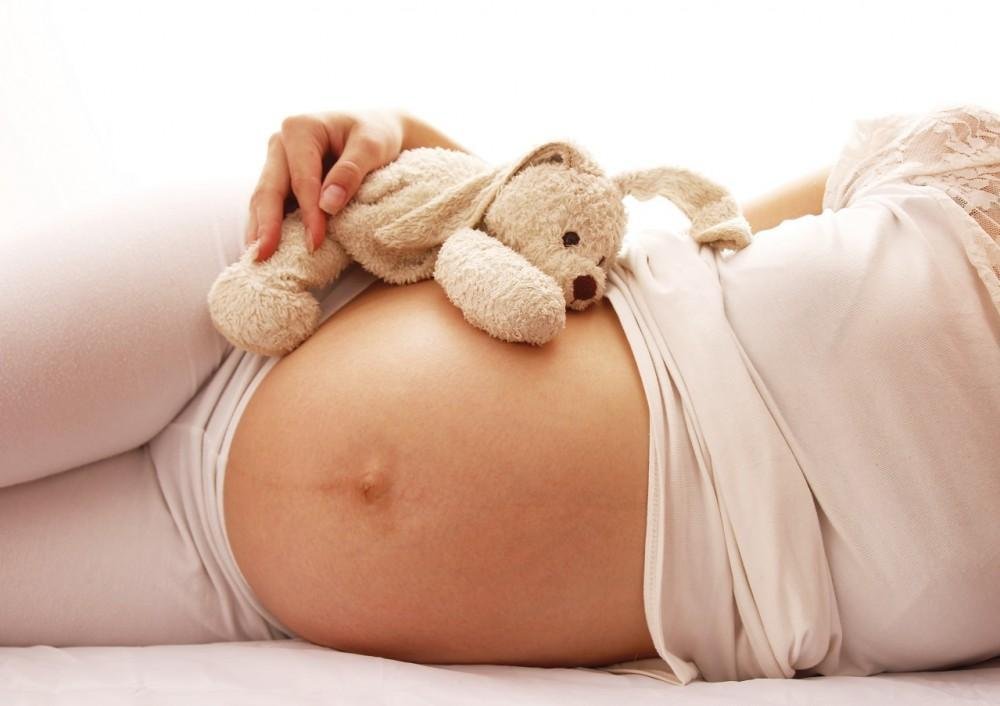

Pregnancy brings remarkable changes to the body, and many of them do not simply disappear once the baby arrives. In the months after birth, it is common to notice stretch marks, changes in skin colour, looser skin around the abdomen and, for many women, a caesarean section scar.
These changes are a normal and natural part of the postnatal journey. Understanding why they happen, and what to expect as the body recovers, can help new mothers feel more prepared and less anxious about what they see in the mirror.
Stretch Marks
Stretch marks are one of the most common skin changes during pregnancy. They appear when the skin stretches faster than it can adapt, causing small tears in the deeper layer of the skin. They most often appear on the abdomen, hips, thighs and breasts.
At first, stretch marks are usually red, pink or purple, depending on skin tone. Over months, they typically fade to a paler, silvery colour and become less noticeable. Genetics plays a large role in whether someone develops them, so they are not a sign that someone did anything wrong.
Moisturisers can help keep skin comfortable and supple, though there is limited evidence that they prevent stretch marks. For those who want to improve their appearance later, professional treatments such as laser therapy or microneedling may help, particularly when marks are still in their earlier, coloured stage.
Changes in Pigmentation
Hormonal changes during pregnancy can increase pigmentation. Some women develop a dark line running down the middle of the abdomen, known as the linea nigra. Others notice patches of darker skin on the face, a condition called melasma, which is sometimes known as the mask of pregnancy.
The linea nigra usually fades gradually after birth. Melasma may also lighten over time, though it can persist and is often made worse by sun exposure. Wearing a high-factor sunscreen every day is one of the most effective ways to manage it.
Loose Skin and Abdominal Changes
The abdominal skin and muscles stretch considerably during pregnancy. After birth, the skin often feels softer and looser, and the stomach may take many months to settle. For some women, the abdominal muscles remain separated, a condition known as diastasis recti, which can be helped with targeted physiotherapy.
Patience is important here. The body continues to recover for up to a year or more after birth, and gentle exercise, good nutrition and rest all support that process.
Caesarean Section Scars
Caesarean births have become increasingly common in the UK, now accounting for a large share of all deliveries. Most caesarean scars sit low on the abdomen, just above the pubic bone, and are designed to be discreet.
In the first weeks, the scar will be red or dark and may feel numb, tight or itchy. Over the following months, it usually flattens and fades. Gentle scar massage, once the wound has fully healed and your midwife or doctor has confirmed it is safe, can help keep the tissue supple. Keeping the scar out of the sun also helps prevent it from darkening.
However, not every scar heals in the same way. Some become raised, thickened or painful. Others develop an overhang of skin above the scar, sometimes called a shelf, which can make clothing uncomfortable and affect confidence. Some women also experience ongoing sensitivity or tightness.
When a scar is causing physical discomfort or emotional distress, specialist c-section scar treatment may help. Depending on the type of scar, options can include steroid injections, laser treatment, silicone therapy or, in some cases, surgical scar revision.
Hair and Nails
Many women enjoy thicker hair during pregnancy, only to notice significant shedding a few months after birth. This is a normal response to falling hormone levels and usually settles within the first year. Nails may also become softer or more brittle for a time.
Looking After Yourself
The postnatal period is demanding, and caring for a new baby often leaves little time for self-care. A few simple habits can help the skin and body recover:
- Stay hydrated and eat a balanced diet.
- Protect your skin from the sun, especially if you have melasma or a healing scar.
- Return to exercise gradually, following advice from your midwife, GP or physiotherapist.
- Be kind to yourself about the changes you see.
When to Seek Advice
Speak to your GP or midwife if a caesarean wound becomes increasingly red, hot, swollen or painful, or if there is any discharge, as these can be signs of infection. Longer term, if stretch marks, pigmentation or scarring are affecting how you feel about your body, it is worth speaking to a specialist about the options available.
Your body has done something extraordinary. The changes that follow are part of that story, and with time, care and the right support, many of them will soften.