
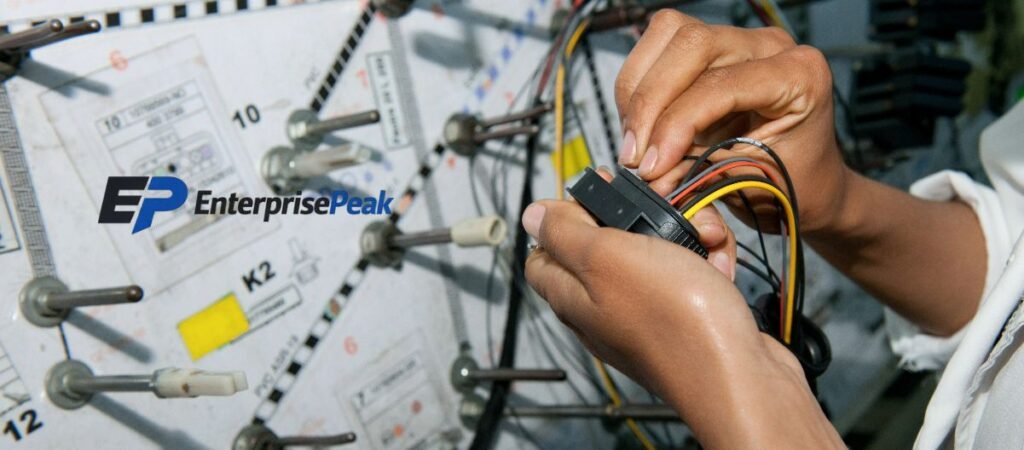

A wiring harness is much more than a collection of wires bundled together. It is a carefully engineered assembly that integrates conductors, connectors, terminals, insulation, and protective materials into a structured electrical network.
When a harness fails, the consequences can include:
- Unexpected equipment shutdowns
- Sensor malfunctions
- Communication errors
- Electrical shorts
- Fire hazards
- Increased maintenance costs
As systems become more complex and interconnected, the importance of harness reliability continues to grow. Therefore, engineers must focus on identifying potential failure points during the design stage before products reach the field. Here is a list of the most common failure points and their prevention methods.
1. Crimp Failures
Crimp failures are widely regarded as one of the most common causes of wiring harness defects. A crimp connection joins a wire to a terminal, creating both a mechanical and electrical connection. If this connection is not properly formed, reliability suffers significantly.
Common Causes
- Under-crimping that creates a loose connection
- Over-crimping that damages wire strands
- Incorrect tooling
- Poor calibration of crimping equipment
- Inconsistent manufacturing processes
A defective crimp may initially appear acceptable while hiding internal weaknesses that eventually lead to intermittent connections, overheating, or complete failure.
Prevention Methods
Engineers prevent crimp failures through:
- Crimp height measurement
- Pull-force testing
- Cross-sectional analysis
- Automated crimp-force monitoring systems
- Strict process validation procedures
Modern manufacturers increasingly rely on automated crimping equipment to reduce human error and ensure consistent quality across production runs.
2. Insulation Chafing and Abrasion
Mechanical abrasion is another major cause of wiring harness failure. Over time, vibration and movement can cause wires to rub against metal edges, brackets, fasteners, or other components. As insulation wears away, conductors become exposed and short circuits can occur.
Common Causes
- Poor harness routing
- Inadequate fastening
- Excessive vibration
- Sharp edges in equipment
- Lack of protective coverings
Abrasion-related failures are especially common in automotive applications because vehicles operate under constant motion. So automotive wire harness manufacturers must put this into consideration by implementing the following prevention methods.
Prevention Methods
Using:
- Protective sleeves and braided coverings
- Rubber grommets at pass-through locations
- Secure clips and clamps
- Strategic routing paths
- Vibration-resistant mounting systems
By addressing potential contact points during the design phase, manufacturers can significantly reduce long-term wear and tear.
3. Connector Back-Out and Terminal Disengagement
Even when wires and terminals are properly assembled, connectors can fail if they are not fully engaged. Connector back-out occurs when terminals gradually loosen or disconnect due to vibration, improper assembly, or damaged locking mechanisms. This often leads to intermittent electrical problems that can be difficult to diagnose.
Common Symptoms
- Random system shutdowns
- Intermittent sensor readings
- Unexplained communication errors
- Equipment that works after reconnecting cables
Prevention Methods
To prevent connector failures, engineers and manufacturers use:
- Terminal Position Assurance (TPA) systems
- Connector Position Assurance (CPA) locks
- Vibration-rated connectors
- Automated assembly verification
- Visual inspection procedures
Many industries also require audible or tactile confirmation mechanisms that ensure connectors are fully seated during assembly.
4. Corrosion and Moisture Damage
Moisture is one of the most destructive threats to electrical systems. When water, humidity, chemicals, or contaminants enter a wiring harness, corrosion can develop on conductors and terminals, increasing electrical resistance, generating heat, and eventually causing connection failures. Corrosion is responsible for a significant percentage of wiring harness problems in harsh environments.
Common Causes
- Water ingress
- High humidity
- Salt exposure
- Chemical contamination
- Poor environmental sealing
Outdoor equipment, marine systems, agricultural machinery, and industrial facilities are particularly vulnerable.
Prevention Methods
Manufacturers combat corrosion by using:
- Sealed connectors
- Waterproof designs
- Tinned copper conductors
- Adhesive-lined heat shrink tubing
- Dielectric grease
- Environmental testing
Selecting materials appropriate for the operating environment remains one of the most effective prevention strategies.
5. Contact Fretting and Intermittent Connections
A system may operate perfectly one moment and fail the next, only to recover unexpectedly. These intermittent connection issues are often caused by contact fretting, a phenomenon where microscopic movement between connector contacts gradually wears away protective plating and creates oxidation.
Common Causes
- Constant vibration
- Mechanical movement
- Poor connector selection
- Weak contact force
- Harsh operating environments
Because failure comes and goes, troubleshooting can be extremely difficult.
Prevention Methods
Engineers reduce fretting risks by using:
- Gold-plated contacts
- High-retention connector systems
- Enhanced spring-force terminals
- Vibration-resistant designs
- Environmental sealing
These solutions help maintain stable electrical contact even under challenging operating conditions.
6. Improper Strain Relief
Electrical conductors are designed to flex, but repeated bending near connectors can eventually cause internal wire breakage. Improper strain relief allows excessive stress to concentrate at connection points, resulting in conductor fatigue and hidden failures inside the insulation.
Warning Signs
- Intermittent operation during movement
- Failure near connector exits
- Broken conductors inside intact insulation
- Reduced mechanical durability
Prevention Methods
Designers and manufacturers address strain-related failures through:
- Strain relief boots
- Flexible cable routing
- Controlled bend radii
- Proper harness support structures
- Reinforced connector designs
Industry best practices often recommend maintaining bend radii that prevent excessive stress on conductors throughout the product lifecycle.
7. Solder-Related Failures
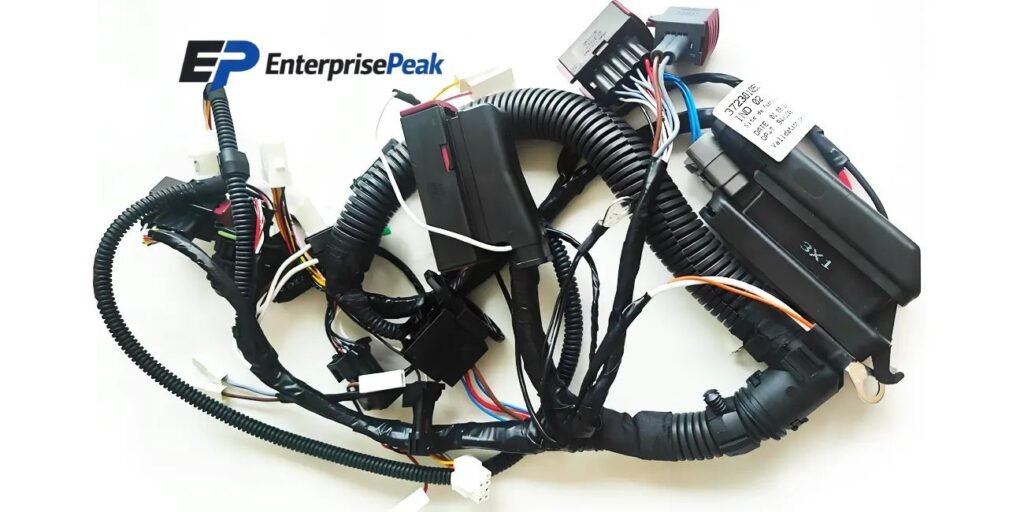
Soldering is still common in some applications, and poorly designed solder joints can create reliability problems caused by issues like solder wicks getting into the conductor under the insulation. This creates a rigid section that cannot flex normally. Over time, vibration and movement can cause the wire to break at the transition point. Electric motorcycle wiring harness manufacturers and the like can prevent these issues using the following prevention methods.
Prevention Methods
- Using crimped connections where appropriate
- Applying proper strain relief
- Limiting solder penetration
- Using controlled soldering processes
- Conducting fatigue testing
For high-vibration applications, crimped connections are frequently preferred because they preserve conductor flexibility.
The Role of Failure Analysis
Preventing harness failures requires more than simply fixing problems after they occur. Modern wiring harness manufacturers invest heavily in failure analysis techniques to identify root causes and continuously improve designs. Common analysis methods include:
- Microscopic inspection
- Cross-section analysis
- Electrical continuity testing
- Environmental stress testing
- Pull-force testing
- Vibration testing
- Thermal cycling
These methods allow engineers to uncover hidden defects before products reach customers.
Building Reliability Through Engineering
The most reliable wiring harnesses are not created by chance. They result from careful engineering decisions throughout the product development process. Successful harness design requires consideration of:
- Mechanical stresses
- Environmental conditions
- Electrical requirements
- Manufacturing processes
- Serviceability
- Regulatory compliance
By integrating reliability principles from the earliest design stages, manufacturers can dramatically reduce field failures and improve product performance.
Conclusion
Wiring harness failures can have serious consequences, from costly downtime to safety risks and equipment damage. Fortunately, the most common failure modes, including crimp defects, abrasion, corrosion, connector issues, contact fretting, strain relief problems, and solder-related failures, can be prevented through sound engineering practices.
As industries continue to adopt more advanced electrical and electronic systems, the demand for highly reliable wiring harnesses will only increase. Organizations that prioritize quality design, rigorous testing, and proactive failure prevention will be better positioned to achieve long-term reliability, lower maintenance costs, and improved operational efficiency.