
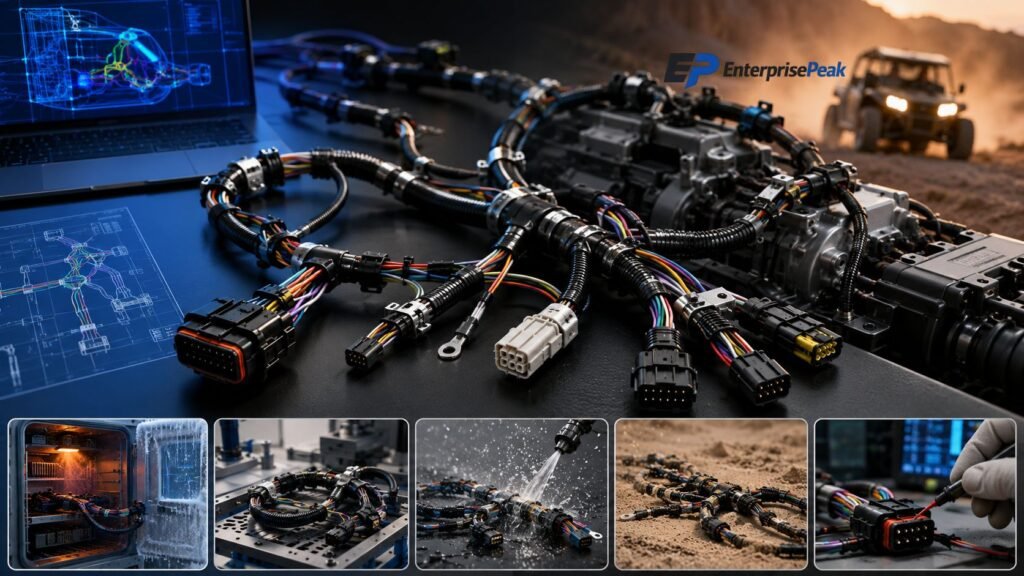

With electronics, product reliability is often measured by how consistently the device performs throughout its expected lifespan, and one of the most overlooked yet critical contributors to product performance is the wire harness. Wiring harnesses basically organize multiple wires, connectors, terminals, and protective components into a structured assembly, and its design influences everything from manufacturing efficiency and maintenance accessibility to electrical performance and environmental resistance. As electronic systems become more complex and interconnected, wire harness design has become a decisive factor in determining overall product reliability. Here are the reasons why this initial development stage is critical in determining overall product reliability.
1. Ensuring Stable Power Distribution and Signal Integrity
A cable assembly is responsible for transmitting electrical power and signals between various components. If the harness is improperly designed, voltage drops, signal degradation, and electromagnetic interference (EMI) can occur, leading to erratic system behavior and reduced performance.
Design involves selecting the appropriate wire gauges, conductor materials, shielding methods, and grounding strategies, which plays a major role in maintaining electrical stability. Undersized wires can generate excessive heat due to increased resistance, while poor shielding may allow external electromagnetic noise to interfere with sensitive signals. In applications such as industrial automation, telecommunications, and automotive electronics, even minor signal disruptions can cause operational failures or inaccurate data transmission. The design process takes care of this by, for instance, selecting the ideal Molex wire harness connector to ensure factors like vibration resistance, waterproofing, and signal integrity are maintained.
By carefully matching electrical requirements with harness specifications, designers and engineers can ensure consistent power delivery and reliable communication between system components throughout the product’s operational life.
2. Minimizing Mechanical Stress and Physical Failures
Electronic products are constantly exposed to physical stresses such as vibration, movement, shock, and repeated mechanical loading. A wire harness that is not properly routed or secured can experience excessive bending, twisting, and tension, resulting in conductor/insulation fatigue and connector failures.
One of the most common causes of harness-related failures is inadequate strain relief. When wires are subjected to repeated movement near connection points, internal copper strands can gradually fracture even when the insulation appears intact. Over time, these hidden failures lead to intermittent electrical issues that are difficult to diagnose.
Proper wire harness design incorporates adequate bend radii, secure mounting points, cable clamps, protective sleeving, and strain relief mechanisms. These features help distribute mechanical loads evenly and prevent stress concentrations that accelerate wear. In high-vibration environments such as construction equipment, aerospace systems, and heavy machinery, these design considerations can significantly extend product lifespan.
3. Protecting Against Environmental Hazards
Many electronic products operate in challenging environments where moisture, dust, chemicals, temperature fluctuations, and UV exposure are unavoidable. Environmental factors are among the leading causes of wire harness degradation and electrical failure.
Moisture intrusion can lead to corrosion of conductors and terminals, increasing electrical resistance and reducing performance. Chemical exposure may cause insulation materials to deteriorate, while extreme temperatures can result in cracking, hardening, or melting of protective jackets. Thermal cycling—the repeated expansion and contraction caused by changing temperatures—can also weaken connections over time.
Reliable harness design begins with selecting materials that match the operating environment. Engineers often choose specialized insulation materials, sealed connectors, corrosion-resistant terminals, and protective coverings to withstand harsh conditions. By accounting for environmental challenges during the design phase, manufacturers can prevent premature failures and improve long-term reliability.
4. Improving Connector Reliability and System Stability
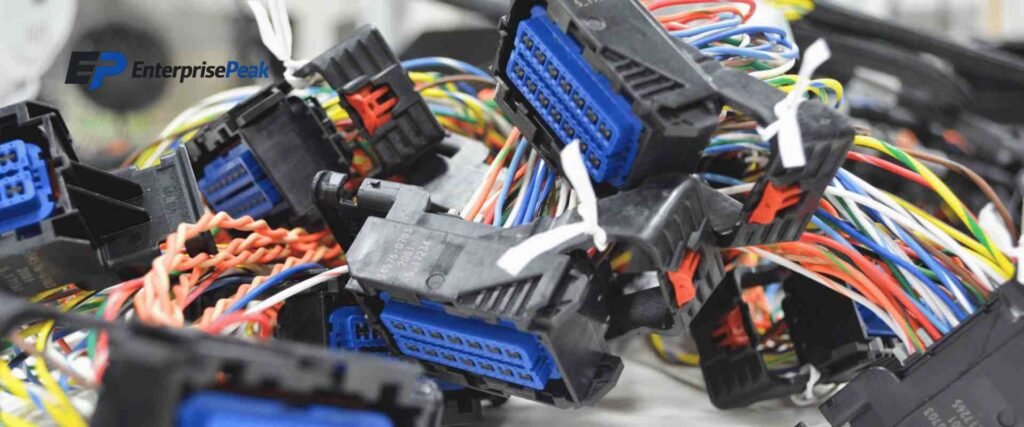
Connectors are often the weakest link in an electrical system. Even if the wires themselves remain intact, poorly selected or improperly installed connectors can introduce resistance, intermittent contact, and signal disruptions.
Effective wire harness design focuses heavily on connector selection and placement. Engineers must consider factors such as mating cycles, vibration resistance, environmental sealing, current capacity, and ease of assembly, all of which are tested first in the prototype wire harness before actual use. Locking connectors, sealed housings, and high-quality terminal crimping techniques all contribute to more reliable electrical connections.
Strategic connector placement also improves serviceability. Easily accessible connectors reduce maintenance time and lower the risk of accidental damage during repairs. When connectors are designed and integrated properly, they help maintain stable system performance while reducing downtime and warranty claims.
5. Supporting Manufacturability and Assembly Consistency
Reliability is not determined solely during product operation; it also begins on the production floor. Poorly designed harnesses can complicate assembly processes, increase installation errors, and introduce variability between units. These manufacturing inconsistencies often become reliability issues later in the product lifecycle.
Wire harnesses with confusing routing paths, inadequate labeling, or excessive complexity are more prone to assembly mistakes. Misrouted wires, incorrect terminations, and improperly seated connectors can all lead to latent defects that escape initial inspection.
Designing for manufacturability involves standardizing components, simplifying routing, improving documentation, and optimizing assembly procedures. Clear labeling and logical connector arrangements make it easier for technicians to assemble products accurately and consistently. The result is improved production efficiency and a lower likelihood of field failures caused by human error.
6. Enabling Effective Testing and Quality Assurance
Even the best design must be validated before products reach the market. Comprehensive testing helps identify weaknesses that could compromise long-term reliability. A thoughtfully designed wire harness facilitates thorough inspection and testing throughout the manufacturing process.
Common validation procedures include continuity testing, insulation resistance testing, pull-force testing, vibration testing, and environmental stress testing. These evaluations verify that the harness can withstand expected operating conditions without failure. Environmental cycling tests, for example, expose assemblies to repeated temperature and humidity changes to identify potential weaknesses before deployment.
Designs that prioritize testability allow manufacturers to detect defects early, reducing costly recalls and warranty claims. Early identification of design flaws also enables engineering teams to make improvements before full-scale production begins.
7. Reducing Long-Term Maintenance Costs and Downtime
Reliability extends beyond preventing failures—it also includes making systems easier to maintain and repair. A wire harness that is difficult to access, identify, or troubleshoot can significantly increase maintenance costs and equipment downtime.
Service-friendly harness designs incorporate clear labeling, organized routing, and accessible connection points. Technicians can quickly isolate problems, replace damaged components, and restore operation without extensive disassembly. This is particularly important in industries where downtime carries significant financial consequences, such as manufacturing, transportation, and healthcare.
By reducing maintenance complexity and improving serviceability, a well-designed wire harness contributes to lower total ownership costs and improved customer satisfaction.
Conclusion
Wire harnesses may not receive the same attention as processors, sensors, or software, but they play a fundamental role in determining electronic product reliability. Every design decision, from wire sizing and connector selection to routing, shielding, and environmental protection, directly influences product performance and longevity.
Organizations that treat wire harness design as a strategic engineering discipline rather than a simple assembly component gain significant advantages. They experience fewer field failures, lower maintenance costs, improved manufacturing efficiency, and greater customer confidence in their products. As electronic systems continue to grow in complexity, investing in robust wire harness design will remain one of the most effective ways to ensure long-term reliability and operational success.