
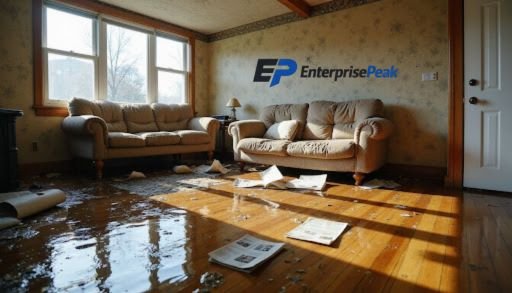

Water damage can be stressful and overwhelming. Did you know that quick action within the first 24 hours is key to reducing damage? This guide will show you simple steps to handle water damage restoration in NYC effectively.
Keep reading for easy tips that can save your home and belongings!
Why the First 24 Hours After Water Damage Are Critical
The first 24 hours are key to limiting damage. Quick action can save your home and belongings from further harm.
Preventing Secondary Damage
Water can ruin walls, floors, and furniture if left untreated. It seeps into materials quickly, weakening structures and causing long-term harm. Act fast to stop paint from peeling, wood from warping, or carpets from becoming unsalvageable. Delaying action increases repair costs.
Moisture also triggers rust on metals and stains on fabrics. Electronics exposed to water may short-circuit or stop working entirely. Dry affected areas promptly and remove items before the damage spreads further. Quick action lowers risks of worse problems like mold growth that follows unchecked moisture buildup.
Mitigating Mold Growth
Stopping mold quickly is crucial. Mold can start growing within 24 to 48 hours after water damage. Dry all wet areas right away to lower the risk. Use fans and dehumidifiers to cut moisture in the air. Open windows if weather allows; increasing airflow helps too.
Remove soaked carpets or rugs immediately. Clean surfaces with a mix of detergent and water where possible. Throw away items that cannot fully dry, like porous materials (paper or fabric). Moisture feeds mold; act fast to keep your home safe. Keep checking for signs of mold, such as musty smells or dark spots on walls and ceilings.
Immediate Steps to Take After Discovering Water Damage
Act fast to limit the harm caused by water. Focus on safety and document everything you see.
Stop the Source of Water (If Safe)
Stopping water quickly can prevent bigger problems. Check the flow and act fast if it is safe to do so.
- Shut off the main water supply valve for leaks or pipe bursts. This stops more water from spreading.
- If the water comes from an appliance, turn it off immediately. Disconnect the hose if possible.
- Check for open windows during heavy rain. Close them tightly to block rainwater from entering.
- Avoid stepping into standing water near cords or outlets. Electricity and water are dangerous together.
- Call for help if the source is out of control or hard to reach safely. Safety should always come first.
Turn Off Electricity in Affected Areas
Water and electricity are a dangerous mix. Act fast to ensure safety in flooded areas.
- Locate the main circuit breaker and turn it off immediately to cut power.
- Avoid touching electric outlets or appliances while standing in water.
- If water levels are too high, contact an electrician for assistance instead of risking injury.
- Use a flashlight to view electrical panels instead of turning on lights in wet surroundings.
After ensuring power is off, focus on assessing the damage and removing water safely.
Document the Damage with Photos and Videos
After turning off the electricity, it’s time to capture evidence of the damage. Clear photos and videos will help with insurance claims and repairs.
- Take pictures of all areas affected by water damage.
- Record videos that show the extent of the water’s impact.
- Focus on any damaged walls, floors, furniture, and appliances.
- Include close-up shots of visible stains or cracks caused by water.
- Snap pictures from multiple angles to give a full view of the problem.
- Make sure to save these files in a safe location or cloud storage.
Initial Water Mitigation Actions
Act fast to reduce water damage. Start drying the area and protecting your belongings immediately.
Remove Standing Water
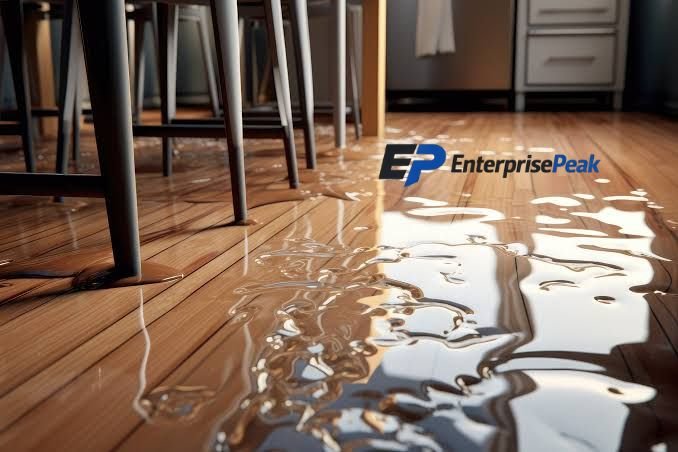
Water can cause severe damage if it sits too long. Quickly removing standing water is essential to prevent further problems.
- Use a wet/dry vacuum to suck up small pools of water. Make sure it is safe for wet areas before you start.
- Mop up excess water using towels or mops. Focus on larger areas first to reduce spreading.
- Clear clogged drains if water cannot flow properly. Check sinks, showers, and floor drains.
- Scoop out large amounts of water with buckets or containers. Wear gloves while doing this for hygiene.
- Open windows and doors to allow airflow while working on the area. This will help speed up drying time.
- Call professional help if the area has deep flooding or sewage backflow. Experts can handle these issues more safely and effectively.
Removing standing water fast can save your property from lasting harm like mold or structural damage.
Use Dehumidifiers and Fans for Drying
After removing standing water, drying the area is the next step. Drying helps prevent mold and stops further damage to your property.
- Place dehumidifiers in the damp room to remove moisture from the air. This speeds up the drying process.
- Turn on fans to improve airflow around wet surfaces. Aim them directly at walls, floors, or furniture that feels damp.
- Keep windows open if weather allows for better ventilation and air circulation inside.
- Check progress regularly by touching surfaces or using a moisture meter if available. Ensure all areas are completely dry before stopping these efforts.
Protect Furniture and Belongings
Drying the area is important, but protecting your furniture and belongings is just as urgent. Act fast to reduce damage and save valuable items.
- Move furniture away from wet areas to stop further damage.
- Place wooden or metal legs on blocks or aluminum foil to prevent stains or rust on floors.
- Remove rugs and carpets that are wet to prevent mold growth underneath.
- Store important items, like photos, documents, or electronics, in a safe and dry location.
- Use plastic sheets to cover larger furniture you cannot move to shield them from further water exposure.
- Wipe down surfaces of wet furniture with clean towels to remove excess water.
When to Call a Professional Restoration Company
Call experts if the water damage covers a large area. Seek help if walls, ceilings, or floors are severely soaked. Homeowners needing water damage restoration in NYC should contact a professional restoration company as soon as possible to minimize long-term damage and speed up the recovery process.
Act fast if there is standing water you cannot remove. Contact professionals for mold concerns or structural issues.
Conclusion
Act fast after water damage. Quick actions stop more harm and mold growth. Start by fixing the water source and drying affected areas. Save your belongings and stay safe. If needed, hire experts to restore your home properly.