
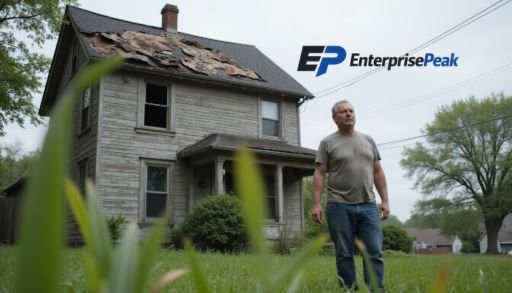

Dealing with a damaged roof can be stressful and costly. Did you know that restoration roofing can fix issues without needing a full replacement? This blog will explain what restoration roofing is and how it can save you money while extending the life of your roof.
Keep reading to learn how to protect your home and make your roof last longer!
What Is Restoration Roofing?
Restoration roofing involves repairing and upgrading an existing roof instead of replacing it. It focuses on fixing damage, strengthening weak areas, and adding protective coatings. This process makes the roof stronger and extends its lifespan.
Specialized materials, like reflective coatings or sealants, are used during restoration. These help prevent leaks and reduce heat absorption. Restoration roofing is a practical choice for improving durability without the high cost of installing a new roof.
Benefits of Restoration Roofing
Restoration roofing offers many practical solutions. It helps keep roofs strong and reliable over time.
Prolongs Roof Lifespan
Restoration roofing helps extend the life of a roof by addressing minor issues early. Small cracks, leaks, or weakened areas are repaired before they turn into costly problems. High-quality coatings protect the roof from rain, snow, and UV rays. This extra layer prevents further wear and tear.
A well-restored roof can last up to 15 years longer than an untreated one. This process saves you from needing a full replacement too soon while keeping your building safe.
Cost-Effective Alternative to Replacement
Restoring a roof costs less than replacing it. Roof restoration fixes damage and strengthens the structure without removing the old roof. This saves money on materials and labor.
A replacement often requires tearing off old shingles, which increases waste and expenses. Restoration extends your roof’s life with fewer resources. It is budget-friendly while keeping roofs in good shape for years to come.
Improves Energy Efficiency
A restored roof helps keep your home cooler in summer and warmer in winter. Reflective coatings reduce heat absorption, lowering cooling costs. Proper sealing prevents air leaks that can drive up energy bills.
Better energy efficiency means less strain on heaters and air conditioners. This reduces power use, saving money over time. Next, watch for signs your roof might need restoration.
Reduces Environmental Impact
Restoration roofing reduces waste sent to landfills. Instead of tearing off and discarding old roofs, it reuses existing materials. This helps lower the demand for new raw materials like wood or metal. Less production means fewer greenhouse gas emissions from manufacturing processes.
It also decreases energy use during construction. Installing restoration coatings uses less energy compared to producing and installing a new roof. Many coatings are eco-friendly, reducing harmful chemicals released into the environment. These steps protect resources while keeping homes safe and durable.
Signs Your Roof Needs Restoration
Your roof might need attention if it shows problems or changes. Watch for issues that could mean it’s time for a fix-up.
Frequent Leaks
Leaks happen when roofs have weak spots or worn-out materials. Water can drip inside during rain, causing stains and damage to walls or ceilings. These leaks may grow worse if ignored.
Clogged gutters, cracked shingles, or loose flashing often lead to leaks. Small cracks let water seep in over time. Fixing these issues early prevents bigger problems that need full roof replacement. Visible damage is another clue that points to the next sign your roof needs restoration.
Visible Damage or Deterioration
Cracks, holes, or missing shingles on a roof can signal damage. Rusted metal parts and warped areas also point to problems needing attention.
Moss, mold, or algae growth weakens the structure over time. These visible signs show that the roof may need restoration soon before issues get worse.
Increased Energy Bills
A damaged roof can cause higher energy bills. Gaps or cracks let air escape, forcing heating or cooling systems to work harder. Poor insulation from an old roof also reduces energy efficiency.
Restoration roofing fixes these issues. Sealing leaks and adding reflective coatings keep homes cooler in summer and warmer in winter. This lowers energy use and saves money over time while also improving overall indoor comfort levels.
Steps in the Roof Restoration Process
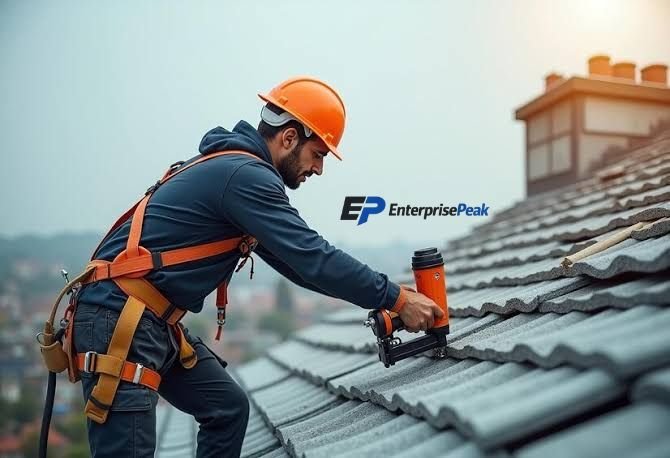
Roof restoration involves careful cleaning and fixing of any damage. Protective coatings are then added to strengthen the roof.
Surface Preparation and Repairs
Preparing the roof is the first step in restoration. It ensures the surface is clean and damage-free before coating.
- Clean the roof using pressure washing equipment to remove dirt, moss, and debris.
- Inspect for cracks, holes, or weak spots that could cause future leaks.
- Replace damaged shingles, tiles, or metal panels to ensure a smooth base.
- Secure loose nails, screws, or fasteners to prevent shifting during repairs.
- Seal small cracks or gaps with roofing sealant for added protection against water damage.
- Check gutters and drains for clogs or breaks and fix them immediately.
- Apply rust treatment on any exposed metal areas to stop corrosion from spreading further.
Each step improves roof durability and prepares it for restoration coatings effectively!
Application of Restoration Coatings
Restoration coatings protect the roof and improve its durability. They create a waterproof seal and add an extra layer of defense.
- Clean the roof to remove dirt, debris, and old coatings.
- Repair cracks, holes, or weak spots before applying new layers.
- Choose the right type of coating based on roof material and climate needs.
- Apply a primer to help the coating stick better and last longer.
- Use brushes, rollers, or sprayers to evenly spread the coating across the surface.
This step ensures your roof is ready for long-term protection against weather and wear.
Conclusion
A strong roof is key to protecting your home. Roof restoration helps fix damage and adds years to your roof’s life. It saves money, improves energy use, and helps the planet. Acting early can prevent bigger problems later. Regular inspections and timely maintenance also reduce the risk of leaks, structural issues, and costly emergency repairs over time.
Keep your roof safe, sturdy, and ready for all weather!