
Introduction
An MTP loopback is a specialized fiber optic testing accessory used to evaluate the transmission and reception functions of optical interfaces. It is commonly used in data centers, telecommunications facilities, network equipment laboratories, and high-density fiber optic systems. By connecting transmit and receive channels within a compatible loopback assembly, technicians can test whether an optical interface is functioning as expected.
As network infrastructure expands to support higher data rates, reliable testing becomes increasingly important. MTP loopback devices help engineers troubleshoot optical ports, verify equipment operation, and identify potential issues before deploying network connections into service.
Understanding the purpose, working principle, available configurations, and selection criteria of an MTP loopback can help network professionals choose the right accessory for their testing requirements.
What Is an MTP Loopback?
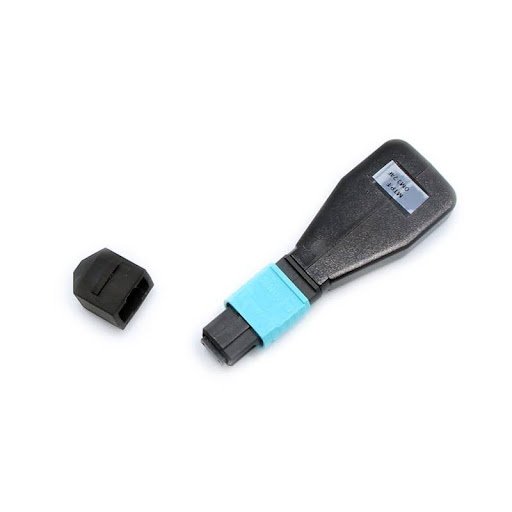
An MTP loopback is a compact fiber optic device that internally connects designated transmitting fibers to receiving fibers. MTP is a branded multi-fiber connector technology commonly used in high-density optical connectivity, while MPO is the generic connector family associated with this type of multi-fiber interface.
The device typically contains an MTP connector, internal fiber routing, and a protective housing. Depending on the design, it may be used directly with a compatible optical transceiver or with an appropriate fiber optic cable assembly.
Unlike a standard fiber patch cord that connects two separate ports, a loopback routes the optical signal from the transmitting side back to the receiving side of the same interface. This makes it useful for testing an optical port without requiring a complete connection to a remote network device.
MTP loopback products are available in different fiber counts, connector configurations, and single-mode or multimode options. The correct specification depends on the equipment being tested.
How an MTP Loopback Works
The operation of an MTP loopback is based on connecting the optical transmitter and receiver channels through a predefined internal fiber arrangement.
When a compatible transceiver sends an optical signal through its transmitting channels, the loopback directs that signal toward the corresponding receiving channels. The equipment can then evaluate whether the signal returns successfully and whether the interface meets the test’s expected operating conditions.
For example, a network technician troubleshooting a compatible parallel-optics transceiver may connect an appropriate MTP loopback to the transceiver’s optical interface. The technician can then use the equipment’s diagnostics or approved testing procedures to check the port’s behavior.
The result helps determine whether the interface operates correctly under the test conditions. However, a successful loopback test does not prove that the entire network link is healthy. It does not independently validate every remote connection, installed cable, or intermediate component.
Applications in Data Centers
Data centers rely on fiber optic connections to link switches, servers, storage systems, and other networking equipment. Many systems use high-density optical interfaces to accommodate multiple fiber channels within a compact space.
MTP loopback devices help technicians test compatible optical ports during installation, maintenance, and troubleshooting. They can be used during equipment validation to determine whether an optical interface responds correctly when its transmitting and receiving channels are connected locally.
They are also useful when investigating suspected transceiver faults. If a port fails to operate as expected with a suitable loopback, technicians can continue investigating the transceiver, equipment configuration, or other potential causes.
For large data centers, compact loopback devices can be convenient because they occupy relatively little space and can be stored alongside other fiber testing accessories.
Supporting High-Speed Optical Networks
MTP loopbacks are used with compatible parallel-optics systems, including selected 40G, 100G, 200G, and 400G applications. Some specialized products are designed for newer 800G interfaces as well.
Compatibility is not determined by data rate alone. The optical interface, transceiver type, number of active fibers, fiber mode, connector configuration, and internal channel mapping must all match the intended test.
For instance, an MTP loopback designed for a particular multimode transceiver may not be appropriate for a single-mode interface. Similarly, a device with the wrong fiber mapping may fail to return signals to the expected receiving channels.
Before testing, technicians should consult the transceiver documentation and the loopback manufacturer’s specifications. This helps avoid incorrect results caused by an unsuitable test accessory.
Types of MTP Loopback Devices
Single-Mode MTP Loopback
Single-mode loopbacks are designed for compatible single-mode optical interfaces. They may be used in applications requiring single-mode fiber and connectors with the appropriate end-face polish.
The selected assembly should match the transceiver’s optical interface and the manufacturer’s specified connector requirements.
Multimode MTP Loopback
Multimode loopbacks support compatible multimode optical interfaces commonly found in certain short-reach data center applications. The fiber grade, such as OM3 or OM4, should be selected according to the equipment requirements.
Different Fiber-Count Configurations
MTP loopbacks are available in different fiber counts, including configurations designed for specific 8-fiber, 12-fiber, 16-fiber, or other multi-fiber interfaces.
The required count and internal routing depend on the transceiver’s optical design. Buyers should not assume that all devices with the same physical connector size have the same channel arrangement.
Compact Loopback Modules
Some products use a compact protective housing with a push-pull mechanism or similar handling feature. This design can make insertion and removal more convenient during repeated testing.
The housing should protect the internal fiber arrangement from unnecessary mechanical stress while remaining compatible with the intended port.
Benefits of Using an MTP Loopback
One important benefit is simplified optical interface testing. A loopback creates a local signal path, allowing technicians to test selected equipment functions without establishing a complete connection to a remote device.
Another benefit is troubleshooting efficiency. When a compatible test procedure produces an unexpected result, engineers can use the loopback test as one step in narrowing down possible causes.
Compact construction is also valuable in environments where many optical ports are installed close together. A suitable loopback can help technicians test individual interfaces without requiring a large amount of additional cabling.
MTP loopbacks can support equipment testing, maintenance checks, and certain production or laboratory validation tasks. However, the exact testing capability depends on the device design and the diagnostic functions available in the connected equipment.
Important Specifications to Check
Choosing the correct MTP loopback requires careful attention to technical details.
Connector compatibility: Confirm the connector interface, gender, pin configuration, and mating requirements. Some optical transceivers require a female connector without pins, but the exact requirement must be checked for the specific device.
Fiber type: Select a single-mode or multimode loopback compatible with the optical interface being tested.
Fiber count and mapping: Verify that the internal routing connects the correct transmitting channels to the intended receiving channels.
End-face polish: Connector polish, such as APC or PC, must match the requirements of the application. Incompatible end faces should not be connected.
Optical loss: Check insertion-loss specifications and any attenuation requirements defined by the test procedure. Some tests may require a specific optical power level rather than the lowest possible loss.
Housing and handling: A durable housing and suitable insertion or removal design can be useful when the accessory is used frequently.
These checks help ensure that the loopback supports the intended test without introducing avoidable compatibility issues.
Best Practices for Testing and Maintenance
Before connecting an MTP loopback, inspect the connector end face with an appropriate fiber inspection tool. Clean it using approved methods if necessary, and avoid touching the optical end face.
Verify that the loopback matches the transceiver and test procedure. Follow the equipment manufacturer’s instructions for connecting the accessory and interpreting diagnostic results.
During troubleshooting, record the port, transceiver model, loopback specification, and test outcome. This information can help engineers compare results and determine whether further testing is required.
Store the loopback in a clean protective case when it is not in use. Avoid bending, crushing, or pulling on the assembly, and replace accessories that show visible damage or fail verification tests.
Technicians should also follow laser safety procedures and avoid looking directly into active optical ports or fiber ends.
Choosing a Reliable MTP Loopback Supplier
When purchasing an MTP loopback, provide the supplier with the transceiver model, interface type, fiber count, fiber mode, connector requirements, and intended testing application.
Ask for technical documentation covering internal fiber mapping, connector compatibility, insertion loss, and relevant quality tests. For projects involving many ports, consistent specifications and clear labeling can help reduce installation and testing errors.
Buyers should also consider manufacturing quality, product traceability, delivery times, and technical support. A low-cost accessory may not be suitable if its internal mapping or connector specifications are unclear.
Conclusion
An MTP loopback is a valuable testing accessory for compatible multi-fiber optical interfaces. By routing transmitting signals back to receiving channels, it helps technicians evaluate equipment operation and investigate potential optical port problems.
Selecting the correct device requires attention to connector compatibility, fiber mode, fiber count, channel mapping, and optical specifications. Used alongside appropriate diagnostic procedures, an MTP loopback can make fiber network testing more organized and efficient.
Frequently Asked Questions
What is an MTP loopback used for?
It connects designated transmit and receive channels to support testing of compatible optical interfaces.
Can an MTP loopback test a complete fiber network?
No. It primarily supports local interface testing. Additional tests are needed to evaluate the complete installed fiber link.
Are MTP loopbacks available for different data rates?
Yes. Different models support specific optical interfaces and data rates, depending on their design and compatibility.
What should I check before buying an MTP loopback?
Verify the transceiver model, connector configuration, fiber type, fiber count, internal mapping, and optical requirements.