
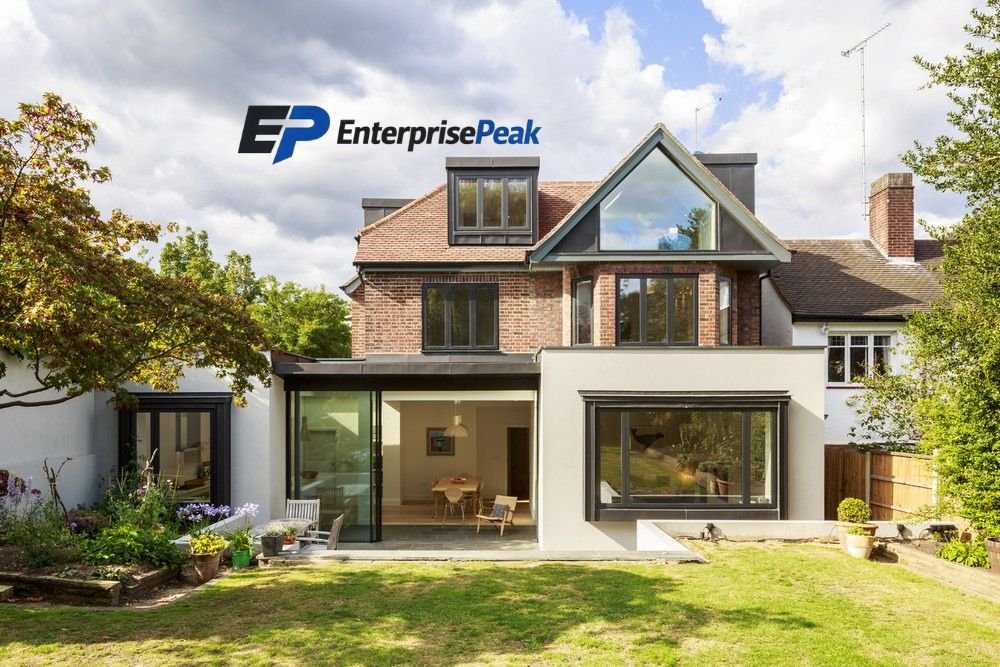

When we bought the house, the loft sold it to us. All that empty space under the roof, just waiting to become a third bedroom. I had already mentally moved the kids up there. It was only later, when I sat down with one of the London architects I had lined up, that I learned the type of roof we had made the whole thing far harder than I assumed.
I had pictured a simple conversion. Floor it, add a dormer, put in a staircase, done. What I hadn’t understood is that not all roofs convert the same way, and ours was the awkward kind. The architect took one look in the loft and gave me the news I wasn’t ready for.
Our house was a newer build with a trussed roof. Those W shaped timber frames that fill the loft space and carry the roof load. Beautiful for the builder, awful for anyone wanting to convert. I had bought a house on an assumption I never checked.
The Loft That Sold Us the House
That empty roof space felt like free potential. A whole floor we could add later, turning a tight three bed into a roomy four bed without moving.
The estate agent had hinted at it too. Great loft, easily converted, adds so much value. I took it as fact rather than a sales line. We paid a little more for the house partly because of that imagined future room.
Nobody, me included, actually checked whether the loft could be converted easily. We just assumed all lofts are roughly the same. That assumption was the expensive mistake.
Why the Roof Type Changed Everything
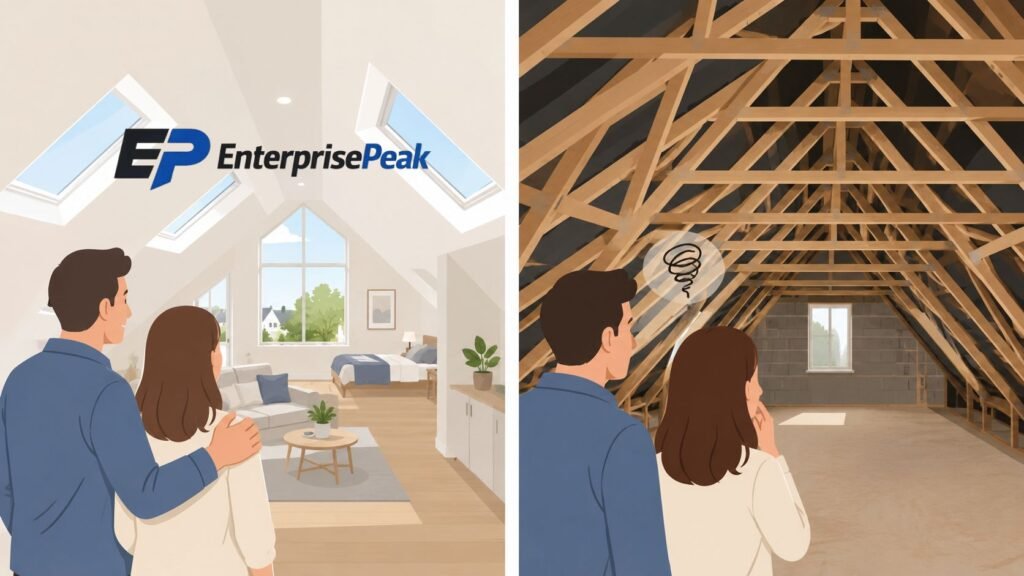
When the architect climbed up, she explained the problem. Our roof used modern trusses, those interlocking W shaped frames. They make a strong, cheap roof, but they fill the loft with timber and leave little open space.
Older homes often have a traditional cut roof, with rafters and a clear void underneath, much easier to convert. Trussed roofs are different. You cant just remove the trusses, because they hold the whole roof up.
Converting a trussed roof means installing new structural steel to take the load before the trusses can come out. More engineering, more cost, more complexity. The simple conversion I had imagined was actually a significant structural job.
What the Conversion Actually Involved
The architect walked me through what was really needed. Steel beams inserted to carry the roof and the new floor, so the trusses could be cut away safely. A proper structural design signed off by an engineer.
It was all doable. Plenty of trussed roofs get converted. But it was a bigger, pricier project than the floor it and add a dormer fantasy I had bought into. The structure was the hidden cost nobody had mentioned.
A trussed roof loft conversion is entirely possible with the right design, but you go in knowing it needs serious structural work, not just flooring and a window. Understanding that upfront changes your budget and your expectations.
Why I Wish I Had Checked First
Had I known about the roof type before buying, I would still probably have bought the house. But I would have budgeted properly for the conversion instead of assuming it was a quick, cheap job.
The shock wasn’t that it was impossible. The shock was the gap between what I assumed and what it actually cost. That gap could have been closed with one conversation with an architect before I committed.
A quick look in the loft, a question about the roof structure, and I would have known. Instead I found out after buying, when my budget was already stretched from the purchase itself.
The Value Still Stacked Up
Once I adjusted to the real cost, the conversion still made sense. Even with the structural work, adding a bedroom and bathroom in the roof added strong value to a London home and gave us the space we needed.
Loft conversions remain one of the best ways to add room and value in London, where building outward often isn’t an option. Ours did exactly that, just with more steel and more cost than I had naively planned for.
The finished room is lovely, and the kids did get their space upstairs in the end. It simply took a bigger project and a bigger budget than the loft had promised when it sold us the house.
What to Check Before You Count on a Loft
Before buying a house for its loft potential, look at the roof type. Trussed roofs, common in newer builds, need structural work to convert. Traditional cut roofs are usually easier.
Get an architect or a knowledgeable eye to glance at it before you assume anything. Five minutes of expert opinion can save you a budgeting shock after you’ve already bought the place.
Five to seven months from that humbling loft inspection to a finished conversion the kids love. I bought the house picturing an easy extra room. The architect taught me that the roof above my head was the whole story. Check what kind of roof you’re dealing with before you count on the space beneath it.